Embarking on a fat loss journey can feel like navigating a complex maze. There's a sea of information out there, from restrictive diets to intense workout regimens, often leaving us feeling overwhelmed and confused. But what if we told you there's a powerful, often underestimated, ally that can make your journey smoother, more sustainable, and ultimately, more successful? Enter protein – not just for bodybuilders, but for anyone serious about shedding fat and building a healthier, stronger body.
This isn't about quick fixes or magic pills. It's about understanding the science-backed role of protein in your body and leveraging its incredible benefits for genuine, lasting fat loss. Forget extreme deprivation; let's talk about empowering your body with the right fuel. this excellent wellness product
Why Protein is Your Best Friend for Fat Loss
Protein is one of the three macronutrients, alongside carbohydrates and fats, but it plays a uniquely vital role when it comes to body composition. It's the building block of your muscles, organs, and hormones, and its impact on fat loss is multifaceted and profound.
The Satiety Factor: Feeling Fuller, Longer
One of the biggest challenges in a calorie deficit (necessary for fat loss) is managing hunger. This is where protein shines! Compared to carbohydrates and fats, protein has the highest satiety factor. This means it keeps you feeling full and satisfied for longer periods. When you consume adequate protein, your body releases hormones like GLP-1 and PYY, which signal fullness to your brain, reducing cravings and the likelihood of overeating.
Imagine going through your day feeling less hungry, less prone to snacking on unhealthy foods. That's the power of protein at work, making it easier to stick to your dietary goals without feeling deprived.
Boosting Your Metabolism: The Thermic Effect of Food (TEF)
Every time you eat, your body expends energy to digest, absorb, and process the nutrients. This is known as the Thermic Effect of Food (TEF). Protein has a significantly higher TEF than carbs or fats. Roughly 20-30% of the calories you consume from protein are burned just in the digestion process itself. For carbs, it's 5-10%, and for fats, it's a mere 0-3%. This means a high-protein diet essentially gives your metabolism a slight, consistent boost throughout the day, contributing to a greater overall calorie expenditure.
Preserving Muscle, Burning Fat: The Key to a Toned Physique
When we talk about “weight loss,” what we often truly mean is “fat loss.” Losing muscle along with fat can leave you looking 'skinny fat' and can also slow down your metabolism. Protein is crucial for ensuring you lose the right kind of weight.
Preventing Muscle Loss During a Calorie Deficit
When you're in a calorie deficit, your body looks for energy sources. Without enough dietary protein, it might start breaking down muscle tissue for energy, especially if you're also exercising. Adequate protein intake provides the amino acids needed to repair and rebuild muscle, signaling to your body to preserve precious muscle mass even while you're losing fat.
The Metabolic Advantage of More Muscle
Muscle tissue is metabolically active, meaning it burns more calories at rest than fat tissue. By preserving or even building muscle while losing fat, you're essentially creating a more efficient, calorie-burning machine. This makes it easier to maintain your fat loss long-term and achieve a more toned, athletic physique.
How Much Protein Do You Really Need for Fat Loss?
The exact amount of protein needed can vary based on individual factors like activity level, age, and current body composition. However, for fat loss, the general recommendation is often higher than the standard dietary guidelines.
- General Guideline: Many experts suggest aiming for 0.7 to 1 gram of protein per pound of lean body mass, or roughly 1.6 to 2.2 grams per kilogram of total body weight, especially if you're active and lifting weights.
- Practical Approach: For most people, aiming for 20-30 grams of protein per meal, and including protein in snacks, is a great starting point.
It's important to spread your protein intake throughout the day rather than consuming it all in one sitting. This helps optimize muscle protein synthesis and keeps you feeling fuller consistently.
Smart Protein Sources: Delicious & Effective
Incorporating more protein into your diet doesn't have to be bland or boring. There's a wide variety of delicious and healthy sources to choose from.
Animal-Based Proteins
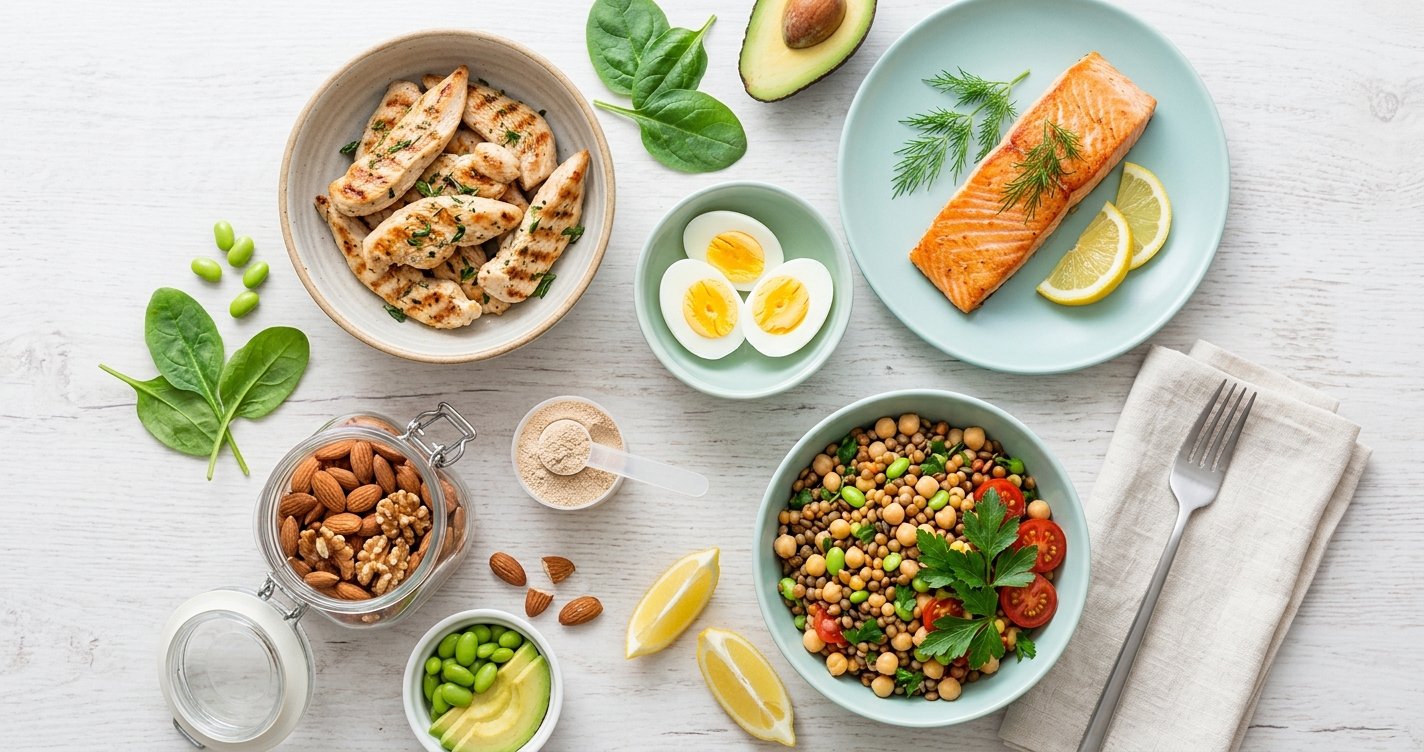
- Lean Meats: Chicken breast, turkey, lean beef, pork loin.
- Fish: Salmon, tuna, cod, tilapia (also rich in omega-3s).
- Eggs: Whole eggs are a complete protein source and incredibly versatile.
- Dairy: Greek yogurt, cottage cheese, milk, whey protein powder.
Plant-Based Proteins
- Legumes: Lentils, chickpeas, black beans, kidney beans.
- Soy Products: Tofu, tempeh, edamame.
- Grains: Quinoa, oats (contain some protein).
- Nuts & Seeds: Almonds, peanuts, chia seeds, flax seeds (also provide healthy fats).
- Plant-Based Protein Powders: Pea, rice, hemp protein.
Protein Supplements (When & How)
While whole food sources should always be your priority, protein powders can be a convenient and effective way to meet your protein targets, especially post-workout or when you're short on time. Whey protein is popular for its fast absorption, while casein provides a slower, sustained release. Plant-based options are excellent for those with dietary restrictions.
Practical Tips for Boosting Your Protein Intake
Making protein a priority doesn't require a complete dietary overhaul. Here are some simple, actionable tips:
- Start with Protein at Breakfast: Instead of sugary cereals, opt for eggs, Greek yogurt, cottage cheese, or a protein smoothie to kickstart your day with satiety.
- Include Protein in Every Meal: Aim to have a lean protein source as the centerpiece of your lunch and dinner.
- Snack Smart: Replace carb-heavy snacks with protein-rich alternatives like a handful of almonds, a hard-boiled egg, or a small portion of cottage cheese.
- Plan Ahead: Meal prepping can make it easier to ensure you have protein-rich options readily available throughout the week.
- Read Labels: Pay attention to the protein content of packaged foods to make informed choices.
- Protein-Packed Sides: Add lentils to soups, chickpeas to salads, or edamame to stir-fries.
Beyond Protein: A Holistic Approach for Lasting Results
While protein is an incredibly powerful tool, it’s part of a larger picture. For truly sustainable fat loss, remember to integrate other crucial elements:
- Calorie Deficit: Even with high protein, you still need to consume fewer calories than you burn to lose fat.
- Strength Training: Lifting weights is essential for building and preserving muscle mass, complementing your protein intake perfectly.
- Adequate Sleep: Poor sleep can disrupt hormones that regulate hunger and fat storage.
- Hydration: Drinking enough water can support metabolism and reduce false hunger signals.
- Stress Management: Chronic stress can lead to increased cortisol levels, which can hinder fat loss.
Embrace the Protein Advantage for a Healthier You
The journey to sustainable fat loss is not about chasing perfection, but about making consistent, informed choices that support your body. By prioritizing protein, you're not just aiming for a lower number on the scale; you're investing in a more satisfied appetite, a revved-up metabolism, and a stronger, more resilient body. So, go ahead – embrace the power of protein and unlock a healthier, more vibrant you!