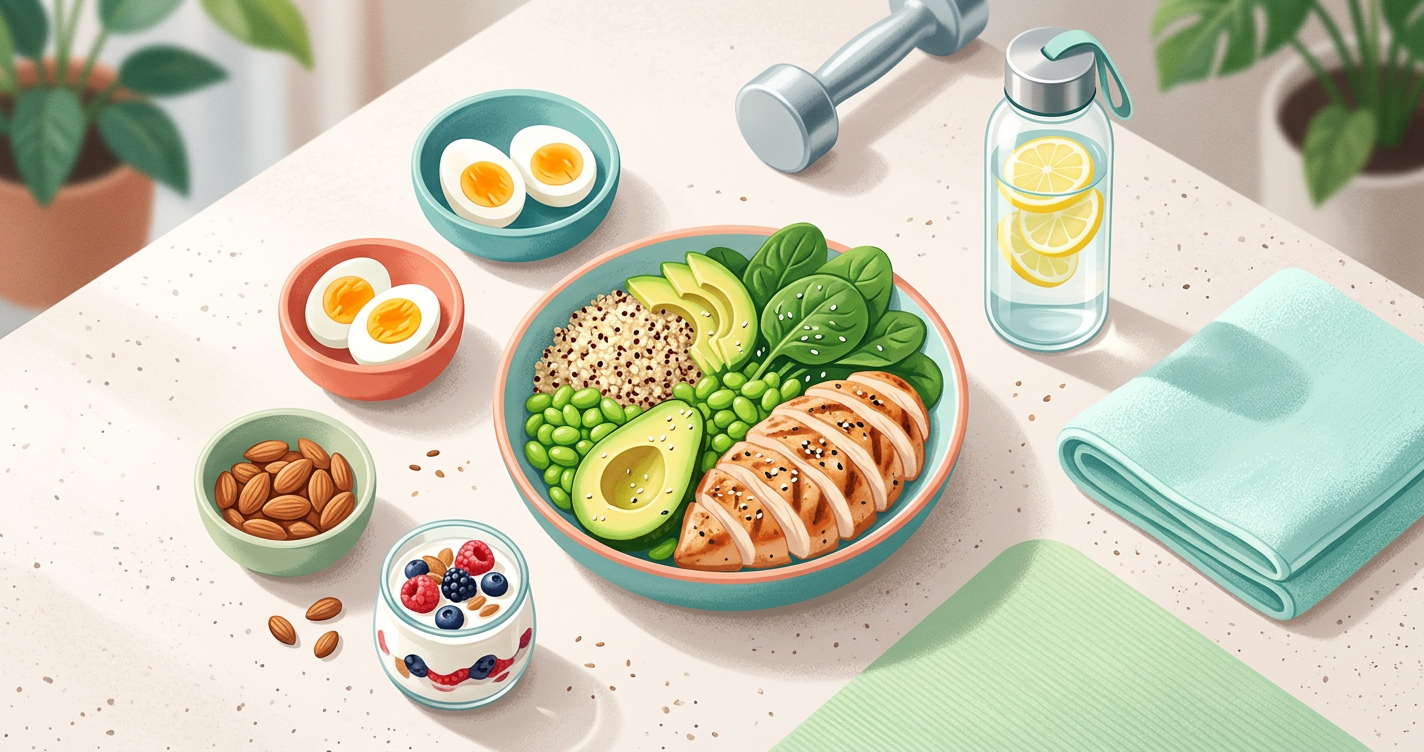
Tired of the Fat Loss Rollercoaster? Discover Your Secret Weapon!
We’ve all been there: the endless cycle of crash diets, restrictive eating, and the frustrating rebound of lost weight. It’s disheartening, unsustainable, and often leaves us feeling worse than when we started. What if there was a powerful, evidence-backed strategy that not only helps you shed unwanted fat but also keeps it off, all while feeling satisfied and energized?
Enter protein – the unsung hero of sustainable fat loss. Often overshadowed by debates about carbs and fats, protein plays a pivotal role in not just losing weight, but transforming your body composition, boosting your metabolism, and keeping hunger at bay. This isn't about bland chicken breasts for every meal; it's about understanding how to leverage protein effectively to make your fat loss journey smoother, more enjoyable, and truly lasting. Let's dive into why protein is your ultimate ally! this excellent wellness product
Why Protein is Your Secret Weapon for Fat Loss
Protein isn't just for bodybuilders. It's a macronutrient essential for everyone, especially when you're aiming for fat loss. Its unique properties make it incredibly effective:
Satiety: Feeling Fuller, Longer
One of the biggest challenges in a calorie deficit is managing hunger and cravings. This is where protein shines! Protein is renowned for its ability to promote satiety, meaning it helps you feel full and satisfied for longer periods compared to carbohydrates or fats. It does this by influencing key hunger hormones like ghrelin (which signals hunger) and GLP-1 (which signals fullness).
When you incorporate enough protein into your meals, you're less likely to experience those nagging hunger pangs that lead to mindless snacking and overeating. This natural reduction in overall calorie intake, without feeling deprived, is a cornerstone of sustainable fat loss.
The Thermic Effect of Food (TEF): Burn More Calories Just by Eating!
Did you know that your body expends energy just to digest, absorb, and metabolize the food you eat? This is known as the Thermic Effect of Food (TEF), and protein has the highest TEF among all macronutrients. Approximately 20-30% of the calories from protein are burned off during digestion, compared to 5-10% for carbohydrates and 0-3% for fats.
What does this mean for fat loss? It means that by simply choosing protein-rich foods, you're boosting your daily calorie expenditure without even stepping foot in the gym. It's like a metabolic bonus just for making smart food choices!
Preserving Muscle Mass: A Crucial Component of a Healthy Metabolism
When you're in a calorie deficit, your body doesn't just burn fat; it can also break down muscle tissue for energy. Losing muscle is detrimental to fat loss goals because muscle is metabolically active – it burns more calories at rest than fat does. If you lose muscle, your resting metabolic rate (RMR) decreases, making it harder to lose fat and easier to regain weight.
Adequate protein intake is crucial for preserving lean muscle mass during fat loss. It provides the amino acids necessary for muscle repair and synthesis, signaling your body to hold onto that precious muscle even when calories are restricted. The more muscle you maintain, the higher your metabolism, and the more efficiently your body burns fat.
How Much Protein Do You Really Need for Fat Loss?
While general guidelines for protein intake exist, for fat loss, the recommendations are often higher than what many people typically consume. A common recommendation for active individuals aiming for fat loss is around 1.6 to 2.2 grams of protein per kilogram of body weight per day (or 0.7 to 1 gram per pound of body weight).
For example, if you weigh 70 kg (about 154 lbs), you'd be aiming for roughly 112 to 154 grams of protein per day. This might sound like a lot, but by strategically planning your meals, it's very achievable. Factors like your activity level, age, and current muscle mass can influence your specific needs, but this range is an excellent starting point for most.
Practical Strategies to Boost Your Protein Intake
Incorporating more protein into your diet doesn't have to be complicated or boring. Here are some simple, actionable strategies:
Smart Meal Planning & Distribution
- Spread it Out: Instead of front-loading protein or saving it all for dinner, aim to include a good source of protein in every meal and snack. This helps maintain satiety throughout the day and supports continuous muscle protein synthesis.
- Breakfast is Key: Start your day with protein! Swapping sugary cereals for Greek yogurt, eggs, or a protein smoothie can dramatically impact your hunger and energy levels for hours.
Protein-Rich Food Choices
Focus on whole, unprocessed protein sources:
- Lean Meats & Poultry: Chicken breast, turkey, lean beef, pork tenderloin.
- Fish & Seafood: Salmon, tuna, cod, shrimp (packed with omega-3s too!).
- Eggs: The incredible, versatile egg is a complete protein powerhouse.
- Dairy: Greek yogurt, cottage cheese, milk, kefir (opt for lower-fat versions if watching calories).
- Legumes & Plant-Based Options: Lentils, chickpeas, black beans, tofu, tempeh, edamame (great for vegetarians and vegans).
- Protein Powder: A convenient option for shakes or adding to oatmeal/smoothies, especially post-workout or when you're short on time.
Snack Smart: Protein-Packed Options
Swap chips and cookies for these satisfying, protein-rich snacks:
- Hard-boiled eggs
- A handful of almonds or walnuts
- Greek yogurt with berries
- Cottage cheese with fruit
- A small can of tuna or salmon
- Beef jerky (check for low sugar options)
- Protein bar (choose wisely, look for low sugar and high protein)
Beyond the Scale: The Holistic Benefits of a High-Protein Diet
While fat loss is a primary goal, increasing your protein intake offers a cascade of other health benefits that contribute to overall well-being:
- Improved Body Composition: Beyond just losing weight, protein helps you lose fat while preserving muscle, leading to a leaner, more toned physique.
- Better Energy Levels: Stable blood sugar from protein-rich meals prevents energy crashes, keeping you feeling vibrant throughout the day.
- Enhanced Recovery: For those who exercise, protein is crucial for muscle repair and recovery, reducing soreness and preparing you for your next workout.
- Stronger Bones: Research indicates that adequate protein intake is linked to better bone density and reduced risk of osteoporosis.
- Immune Support: Protein is vital for producing antibodies and immune cells, helping your body fight off illness.
Common Pitfalls and How to Avoid Them
Even with the best intentions, a few missteps can hinder your progress:
- Not Tracking (Initially): For a few days, try tracking your protein intake. You might be surprised at how much (or how little) you're getting. This awareness is key to making targeted improvements.
- Over-Relying on Supplements: While protein powders are convenient, prioritize whole food sources for their broader nutrient profile (vitamins, minerals, fiber).
- Forgetting Fiber and Micronutrients: A high-protein diet shouldn't neglect fruits, vegetables, and whole grains. These provide essential fiber, vitamins, and minerals crucial for health and satiety.
- Ignoring Other Lifestyle Factors: Remember, protein is a powerful tool, but it's not the only one. Adequate sleep, stress management, and consistent physical activity are also vital components of sustainable fat loss.
Your Journey to Sustainable Fat Loss Starts Here!
Fat loss doesn't have to be a battle against hunger and deprivation. By understanding and harnessing the incredible power of protein, you can transform your approach. You'll feel fuller, burn more calories, protect your precious muscle, and enjoy a myriad of other health benefits.
It's about making smart, sustainable choices that nourish your body and support your goals. So, ditch the restrictive mindsets and embrace protein as your key to unlocking lasting fat loss and a healthier, more vibrant you. Start incorporating more protein into your meals today, and experience the difference!