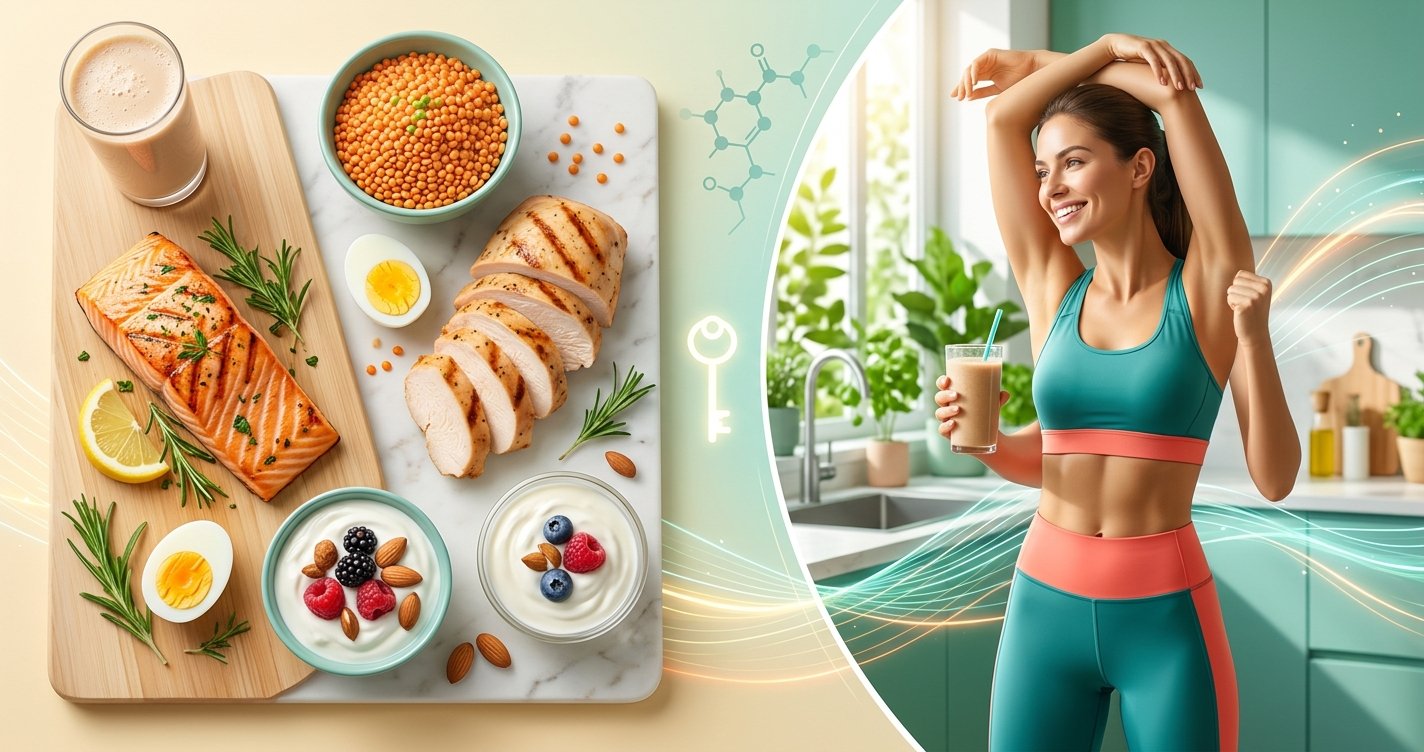
Tired of the endless cycle of restrictive diets, intense hunger, and frustrating plateaus on your fat loss journey? What if the secret to shedding those stubborn pounds and keeping them off wasn't about deprivation, but about embracing a powerful, satisfying macronutrient that’s often misunderstood? We're talking about protein, your ultimate ally in achieving sustainable fat loss.
For too long, protein has been primarily associated with bodybuilders and athletes, but its role in effective, lasting fat loss is truly monumental. It’s not just about building muscle; it’s about controlling hunger, boosting your metabolism, and preserving precious muscle mass while you slim down. In this comprehensive, evidence-based guide, we'll dive deep into why protein is your fat loss MVP, how much you truly need, the best sources, and practical tips to effortlessly incorporate more of it into your daily life. this excellent wellness product
Why Protein is Your Fat Loss MVP (Most Valuable Player)
Imagine a single food component that helps you feel fuller, burns more calories during digestion, and protects your metabolism. That's protein! It's not a magic bullet, but it's undeniably the most thermogenic, satiating, and muscle-sparing macronutrient, making it indispensable for anyone serious about sustainable fat loss.
Unlike carbohydrates and fats, protein plays a unique role in your body's composition and energy expenditure. Understanding these key benefits is the first step to harnessing its power.
The Satiety Secret: How Protein Keeps Cravings at Bay
One of the biggest challenges in fat loss is managing hunger and cravings. This is where protein shines brightest. Protein has a profound impact on your appetite, helping you feel satisfied and less likely to overeat.
The Hunger Hormone Connection: Leptin and Ghrelin
Your body has an intricate system of hormones that regulate hunger and fullness. Two key players are ghrelin (the 'hunger hormone') and leptin (the 'satiety hormone'). Research consistently shows that a higher protein intake can:
- Reduce Ghrelin Levels: Protein helps suppress ghrelin, signaling to your brain that you're full, even on fewer calories.
- Increase PYY and GLP-1: These are gut hormones that promote feelings of fullness and satisfaction, both of which are boosted by protein consumption.
- Enhance Leptin Sensitivity: While leptin signals fullness, resistance to it can occur. Protein appears to support better leptin function, leading to more effective satiety signals.
Feeling Fuller for Longer
Beyond hormones, protein takes longer to digest compared to carbohydrates and fats. This prolonged digestion keeps food in your stomach for a longer period, contributing to sustained feelings of fullness. This means fewer mid-morning snack attacks and less temptation to raid the fridge late at night, making it much easier to stick to a calorie deficit without feeling deprived.
Studies have repeatedly demonstrated that individuals on higher protein diets naturally consume fewer calories without actively trying to restrict them, simply because they feel more satisfied.
Fueling Your Metabolism: Protein's Thermic Effect and Muscle Preservation
Fat loss isn't just about what you eat; it's also about how your body uses that food. Protein provides a significant metabolic advantage that other macronutrients don't.
The Thermic Effect of Food (TEF): Burning More Calories Just By Eating
Every time you eat, your body expends energy to digest, absorb, and metabolize the nutrients. This is known as the Thermic Effect of Food (TEF). Protein has a significantly higher TEF than carbohydrates or fats:
- Protein: 20-30% of its caloric value is burned during digestion.
- Carbohydrates: 5-10%
- Fats: 0-3%
This means that for every 100 calories of protein you consume, your body uses 20-30 of those calories just to process it. Over the course of a day, this can add up to a substantial number of extra calories burned, giving you a passive metabolic boost.
Guarding Your Gains: Muscle is Metabolic Gold
When you're in a calorie deficit to lose fat, your body can sometimes break down muscle tissue for energy, alongside fat. This is detrimental because muscle is metabolically active – it burns more calories at rest than fat tissue does. Losing muscle means your resting metabolic rate (RMR) decreases, making it harder to lose fat and easier to regain it.
Protein is crucial for:
- Muscle Protein Synthesis (MPS): This is the process of building and repairing muscle tissue. Adequate protein intake provides the amino acids needed to maintain or even build muscle, especially when combined with resistance training.
- Preventing Sarcopenia: As we age, we naturally lose muscle mass (sarcopenia). A higher protein intake can help mitigate this loss, preserving strength and metabolic function.
By preserving muscle mass, protein helps keep your metabolism humming, ensuring that the weight you lose is primarily fat, not valuable muscle.
How Much Protein Do You REALLY Need for Optimal Fat Loss?
The recommended dietary allowance (RDA) for protein is 0.8 grams per kilogram of body weight, but this is a minimum to prevent deficiency, not necessarily optimal for fat loss or muscle preservation, especially for active individuals.
For effective fat loss and muscle preservation, current scientific consensus suggests a higher intake:
- General Guideline: Aim for 1.6 to 2.2 grams of protein per kilogram of body weight per day (or approximately 0.7 to 1.0 grams per pound of body weight).
- Active Individuals/Strength Training: If you're highly active or regularly engage in resistance training, you might benefit from the higher end of this range, or even slightly above (e.g., up to 2.5 g/kg).
- Older Adults: Studies suggest that older adults may also benefit from higher protein intake (1.0-1.2 g/kg) to counteract age-related muscle loss.
Example: A person weighing 70 kg (approx. 154 lbs) would aim for 112-154 grams of protein per day. This might sound like a lot, but it’s entirely achievable with smart food choices.
Important Note: For healthy individuals, consistently high protein intake is generally safe. However, if you have pre-existing kidney conditions, consult your doctor before significantly increasing your protein intake.
Your Plate's Powerhouses: Best Protein Sources
While supplements can play a role, the foundation of your protein intake should always come from whole, unprocessed foods. These sources also provide essential vitamins, minerals, and fiber.
Whole Food Heroes:
- Lean Meats: Chicken breast, turkey, lean cuts of beef (sirloin, round), pork loin.
- Fish and Seafood: Salmon (rich in omega-3s), tuna, cod, shrimp, scallops.
- Eggs: A complete protein powerhouse, versatile and affordable.
- Dairy: Greek yogurt (especially high in protein), cottage cheese, milk, kefir.
- Legumes: Lentils, black beans, chickpeas, kidney beans (great for plant-based diets, also provide fiber).
- Nuts and Seeds: Almonds, peanuts, chia seeds, flax seeds, pumpkin seeds (also provide healthy fats).
- Soy Products: Tofu, tempeh, edamame (excellent plant-based complete proteins).
- Grains: Quinoa (a complete protein), oats.
Smart Supplement Choices (When and Why):
Protein supplements are not essential, but they can be a convenient and effective way to meet your daily protein targets, especially if you're busy or struggle to get enough from whole foods alone.
- Whey Protein: Fast-digesting, excellent post-workout or for a quick protein boost.
- Casein Protein: Slow-digesting, ideal before bed to provide a sustained release of amino acids.
- Plant-Based Proteins: Pea, rice, hemp, or soy protein powders are great options for vegetarians, vegans, or those with dairy sensitivities.
Always prioritize whole foods, but don't hesitate to use supplements strategically to fill nutritional gaps.
Practical Tips to Seamlessly Boost Your Protein Intake
Integrating more protein into your diet doesn't have to be complicated. Here are some actionable strategies:
- Start with Protein at Breakfast: Ditch sugary cereals. Opt for eggs, Greek yogurt, cottage cheese, or a protein smoothie to kickstart your day with satiety.
- Include Protein in Every Meal: Aim for a palm-sized portion of protein (20-30g) at lunch and dinner.
- Smart Snacking: Instead of chips or candy, choose protein-rich snacks like a handful of almonds, a hard-boiled egg, cheese sticks, or a small container of Greek yogurt.
- Meal Prep for Success: Cook larger batches of lean protein (chicken, fish, lentils) at the beginning of the week to easily add to your meals.
- Boost Existing Meals: Add cooked chicken or chickpeas to salads, lentils to soups, or a scoop of protein powder to your oatmeal or pancakes.
- Read Food Labels: Pay attention to the protein content per serving when grocery shopping.
- Hydrate Adequately: While not directly protein-related, drinking plenty of water helps with satiety and overall metabolic function.
Beyond Protein: A Holistic Approach to Sustainable Fat Loss
While protein is a superstar for fat loss, it's crucial to remember that it's one piece of a larger puzzle. For truly sustainable results, integrate protein with other fundamental pillars:
- Calorie Deficit: Ultimately, fat loss requires consuming fewer calories than you burn. Protein makes achieving and maintaining this deficit much easier and more comfortable.
- Strength Training: Lifting weights is paramount for building and preserving muscle mass, which works synergistically with protein intake to boost your metabolism.
- Adequate Sleep: Poor sleep disrupts hunger hormones (ghrelin and leptin), increases cortisol (a stress hormone that can promote fat storage), and impairs recovery.
- Stress Management: Chronic stress can lead to emotional eating and hormonal imbalances that hinder fat loss.
- Hydration: Drinking enough water supports all bodily functions, including metabolism and satiety.
- Consistency and Patience: Fat loss is a marathon, not a sprint. Be consistent with your efforts, trust the process, and celebrate small victories along the way.
Conclusion: Embrace Protein, Transform Your Fat Loss Journey
Protein is far more than just a muscle-building nutrient; it's a powerful, evidence-backed tool for sustainable fat loss. By harnessing its ability to curb hunger, boost metabolism, and preserve muscle, you can transform your body composition, feel more energetic, and achieve lasting results without constant struggle.
Forget the restrictive fads and embrace the power of protein. Start by incorporating more high-quality protein sources into every meal, listen to your body, and combine this with a balanced approach to exercise, sleep, and stress management. Your journey to a leaner, stronger, and more vibrant you begins with a plate full of purpose. What protein-rich meal will you enjoy next?