Tired of the Fat Loss Rollercoaster? It’s Time to Fuel Up Smart!
You’ve tried the restrictive diets, the endless cardio, and perhaps even felt that familiar pang of hunger that derails your best intentions. If you’re on a journey to shed unwanted fat and build a healthier, stronger you, you’ve likely encountered countless tips and tricks. But what if we told you there’s one powerful nutrient that consistently stands out as a game-changer for sustainable fat loss? Enter protein – your ultimate ally in achieving your body composition goals.
Protein isn't just for bodybuilders; it's an essential macronutrient vital for everyone, especially those looking to optimize their body composition. In this comprehensive guide, we'll dive deep into why protein is so crucial for effective fat loss, how much you truly need, and practical ways to integrate more of this powerhouse nutrient into your daily life. Get ready to transform your approach to eating and finally achieve the lasting results you deserve! this excellent wellness product
Why Protein is Your Secret Weapon for Sustainable Fat Loss
Protein plays a multifaceted role in fat loss that goes far beyond simply building muscle. It directly impacts your hunger, metabolism, and ability to maintain lean muscle mass while shedding fat. Let’p break down the science-backed reasons why protein is so effective.
The Satiety Factor: Feeling Fuller, Longer
One of the biggest challenges when trying to lose fat is managing hunger. Cravings and constant feelings of emptiness can make sticking to a calorie deficit feel impossible. This is where protein shines! Protein is renowned for its ability to increase satiety, meaning it helps you feel full and satisfied for longer periods compared to carbohydrates or fats.
- Hormonal Harmony: Protein influences the release of gut hormones like GLP-1, PYY, and cholecystokinin (CCK), which signal fullness to your brain. Simultaneously, it helps suppress ghrelin, the hormone that tells you you’re hungry.
- Reduced Snacking: By keeping hunger at bay, a higher protein intake naturally leads to less mindless snacking and fewer overall calories consumed throughout the day, making it easier to maintain the necessary calorie deficit for fat loss.
The Thermic Effect of Food (TEF): Burning More Calories Just By Eating
Did you know that your body expends energy just to digest, absorb, and metabolize the food you eat? This is known as the Thermic Effect of Food (TEF), and protein has the highest TEF of all macronutrients.
- Metabolic Boost: Approximately 20-30% of the calories from protein are burned off during digestion, compared to 5-10% for carbohydrates and 0-3% for fats. This means that if you eat 100 calories of protein, your body uses 20-30 of those calories just to process it.
- Small but Significant: While it might seem like a small amount, this consistent metabolic boost from prioritizing protein can add up over time, contributing to a greater overall calorie expenditure and making fat loss a bit easier.
Preserving Muscle: The Key to a Revved-Up Metabolism
When you’re in a calorie deficit, your body doesn’t just burn fat; it can also start breaking down muscle tissue for energy. This is problematic for several reasons:
- Metabolic Slowdown: Muscle tissue is metabolically active, meaning it burns more calories at rest than fat tissue. Losing muscle can slow down your resting metabolic rate (RMR), making it harder to lose weight and easier to regain it in the future.
- Strength and Functionality: Losing muscle compromises your strength and overall physical function, impacting your ability to exercise effectively and enjoy daily activities.
A higher protein intake is critical for preserving lean muscle mass during fat loss. When your body has an ample supply of amino acids (the building blocks of protein), it’s less likely to break down existing muscle for energy. This ensures that the weight you lose is primarily fat, keeping your metabolism humming and your body strong.
How Much Protein Do You Really Need for Fat Loss?
The recommended daily allowance (RDA) for protein is 0.8 grams per kilogram of body weight, but this is merely a minimum to prevent deficiency, not necessarily optimal for fat loss or muscle preservation. For individuals actively pursuing fat loss, research suggests a higher intake is beneficial.
- General Guideline: Aim for approximately 1.6 to 2.2 grams of protein per kilogram of body weight (or 0.7 to 1 gram per pound of body weight) daily.
- Distribution Matters: Spreading your protein intake throughout the day (e.g., 20-40 grams per meal, plus protein-rich snacks) can optimize muscle protein synthesis and keep you feeling fuller consistently.
- Individual Needs: Factors like activity level, age, and overall health can influence your exact protein requirements. If you're very active or older, you might benefit from the higher end of the spectrum.
Don't worry about hitting an exact number every single day, but strive for consistency. Small, sustainable changes add up to big results.
Practical Strategies to Boost Your Protein Intake
Incorporating more protein into your diet doesn’t have to be complicated or boring. Here are some simple, delicious ways to ensure you’re getting enough:
Smart Meal Planning: Make Protein a Priority
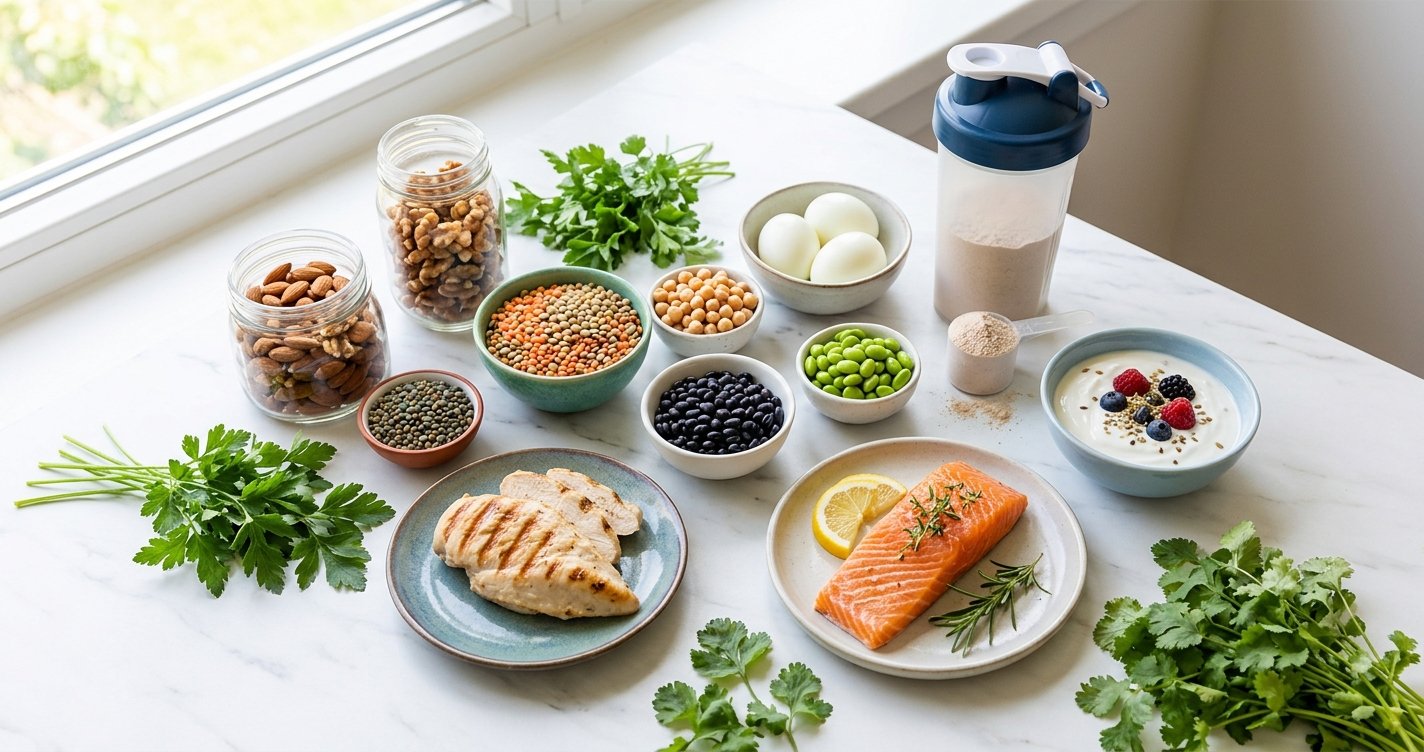
- Breakfast Power-Up: Start your day strong. Instead of sugary cereals, opt for scrambled eggs, Greek yogurt with berries, cottage cheese, or a protein smoothie.
- Lunch & Dinner Essentials: Always include a lean protein source. Think chicken breast, fish (salmon, cod), lean beef, turkey, tofu, tempeh, or lentils. Pair it with plenty of vegetables and a smart carb choice.
- Portion Control: Aim for a palm-sized portion of protein at each main meal.
Snack Smart with Protein
Forget the chips and cookies. Protein-rich snacks can bridge the gap between meals and prevent overeating at your next meal.
- Convenient Choices: Hard-boiled eggs, a handful of almonds or walnuts, a small tub of cottage cheese, Greek yogurt, beef jerky (check for low sugar), a protein bar (choose wisely for low sugar and good ingredients), or a quick protein shake.
Don't Forget Plant-Based Power
If you follow a vegetarian or vegan diet, or simply want to incorporate more plant-based options, there are plenty of excellent protein sources:
- Legumes: Lentils, black beans, chickpeas, kidney beans.
- Soy Products: Tofu, tempeh, edamame.
- Grains & Seeds: Quinoa, nutritional yeast, chia seeds, hemp seeds, pumpkin seeds.
- Plant-Based Protein Powders: Pea, rice, or hemp protein can be great additions to smoothies.
Combining different plant protein sources throughout the day (e.g., rice and beans) helps ensure you get a complete amino acid profile.
Debunking Protein Myths and Concerns
Despite its benefits, protein often gets a bad rap due to common misconceptions. Let's clear the air:
- Myth: Too Much Protein Damages Your Kidneys.
Fact: For healthy individuals with normal kidney function, there's extensive research showing that a high-protein diet is safe and does not cause kidney damage. If you have pre-existing kidney disease, consult your doctor. - Myth: Protein Makes Women Bulky.
Fact: Building significant muscle mass requires intense training, a specific calorie surplus, and often specific hormonal profiles that women typically don't have naturally. Protein supports lean muscle tone, which is beneficial for a strong, healthy physique, not unwanted bulk. - Myth: Protein Powders Are Unnatural and Unnecessary.
Fact: Protein powders are simply concentrated food sources (like whey from milk or pea from peas). They are convenient and effective supplements to help you meet your protein goals, especially around workouts or when whole food options are unavailable. They are not a replacement for a balanced diet but a helpful addition.
Beyond the Plate: Protein and Your Overall Well-being
The benefits of adequate protein intake extend beyond just fat loss. It plays a crucial role in your overall health and vitality:
- Energy Levels: Stable blood sugar from protein helps prevent energy crashes.
- Mood Regulation: Amino acids are precursors to neurotransmitters that influence mood.
- Immune Function: Antibodies, which fight off infections, are made of protein.
- Recovery: Protein is essential for repairing tissues after exercise, reducing soreness and improving athletic performance.
By prioritizing protein, you're not just losing fat; you're investing in a healthier, more energetic, and more resilient version of yourself.
Embrace Protein for Lasting Success
Navigating the world of fat loss can feel overwhelming, but focusing on foundational principles makes the journey much clearer and more sustainable. Protein isn't a magic bullet, but it's undoubtedly one of the most powerful tools in your fat loss arsenal.
By understanding its role in satiety, metabolism, and muscle preservation, you can make informed choices that empower you to reach your goals without constant hunger or frustration. Start today by making protein a centerpiece of every meal, experimenting with protein-rich snacks, and watching how your body responds. You'll not only see the numbers on the scale shift, but you'll feel stronger, more energized, and more in control of your health journey. Embrace the power of protein, and unlock the sustainable fat loss success you've been searching for!