Unlock Sustainable Fat Loss: Your Ultimate Guide to Protein Power & Smart Calorie Deficits
Are you tired of the never-ending cycle of crash diets, quick fixes, and the frustration of fat loss that just doesn't last? You're not alone. The world of weight loss can feel overwhelming, filled with conflicting advice and tempting shortcuts that often lead to disappointment. But what if we told you that sustainable fat loss doesn't have to be complicated? What if the secret lies in understanding two fundamental, evidence-backed pillars: a smart calorie deficit and the incredible power of protein?
Forget the fads and the restrictive eating plans. This guide is your friendly, evidence-based roadmap to achieving lasting fat loss, not just temporary weight reduction. We're going to dive deep into how your body truly sheds fat, focusing on practical, enjoyable, and sustainable nutrition strategies that you can integrate into your everyday life. Let's build a foundation for success that empowers you, fuels your body, and transforms your health for good! this excellent wellness product
The Core Principle: Understanding the Calorie Deficit for Fat Loss
At its heart, fat loss boils down to a simple equation: you need to consume fewer calories than your body burns. This is what we call a "calorie deficit." Think of your body as an energy-burning machine. If you give it less fuel (calories) than it needs to operate, it will start to tap into its stored energy reserves – primarily body fat – to make up the difference. This is the non-negotiable truth of fat loss.
So, how do you create this deficit without feeling deprived? First, you need an idea of how many calories your body burns daily. This is your Total Daily Energy Expenditure (TDEE), which includes your Basal Metabolic Rate (BMR – calories burned at rest), the energy used for physical activity, and the thermic effect of food (calories burned digesting food). While precise calculations can be complex, many online calculators can give you a good estimate based on your age, sex, weight, height, and activity level.
Why a Moderate Deficit is Key for Sustainability
Once you have an estimated TDEE, the goal isn't to slash your calories drastically. A severe deficit might lead to rapid initial weight loss, but it's often unsustainable, can lead to nutrient deficiencies, muscle loss, and metabolic slowdown. Instead, aim for a moderate calorie deficit – typically 300-500 calories below your TDEE. This slower, steadier approach allows your body to adapt, helps preserve precious muscle mass, and makes the process far more enjoyable and sustainable in the long run. It's about progress, not perfection!
Protein: Your Secret Weapon for Fat Loss Success
While a calorie deficit is the driver, protein is the co-pilot that ensures you're losing fat, not just weight. This mighty macronutrient plays several critical roles that make it indispensable for anyone on a fat loss journey:
- Satiety Superstar: Protein is incredibly filling. Including adequate protein in your meals helps you feel fuller for longer, reducing cravings and the likelihood of overeating. Hello, happy stomach!
- Muscle Preservation: When you're in a calorie deficit, your body might try to break down muscle tissue for energy. A high protein intake signals to your body to hold onto that muscle, ensuring that the weight you lose is primarily fat. More muscle also means a higher metabolism!
- Thermic Effect of Food (TEF): Protein has a higher TEF than carbs or fats. This means your body expends more energy (calories) digesting and metabolizing protein than it does for other macronutrients. It's like a mini calorie burn just by eating!
So, how much protein should you aim for? General recommendations for fat loss often fall in the range of 1.6 to 2.2 grams of protein per kilogram of body weight (or 0.7 to 1 gram per pound of body weight). Spreading this intake throughout your day, aiming for 20-40 grams per meal, can optimize its benefits.
Top Protein Sources to Power Your Journey
Incorporating more protein doesn't have to be bland or boring. There's a delicious variety of sources to choose from:
- Lean Meats: Chicken breast, turkey, lean beef, pork tenderloin.
- Fish & Seafood: Salmon, cod, tuna, shrimp, sardines.
- Dairy: Greek yogurt, cottage cheese, milk, whey protein powder.
- Eggs: Whole eggs are a complete protein powerhouse.
- Legumes & Beans: Lentils, chickpeas, black beans (great for plant-based options).
- Tofu & Tempeh: Versatile plant-based proteins.
Beyond Calories and Protein: Other Nutritional Pillars
While calories and protein are foundational, a truly effective and healthy fat loss strategy embraces a holistic approach to nutrition. Remember, it's not just about what you cut out, but what nourishing foods you add in!
- Fiber-Rich Foods: Found in fruits, vegetables, whole grains, and legumes, fiber adds bulk to your meals, promoting satiety and supporting a healthy digestive system. It's another powerful ally in feeling full and satisfied.
- Healthy Fats: Don't fear fats! Healthy fats (from avocados, nuts, seeds, olive oil, fatty fish) are crucial for hormone production, nutrient absorption, and overall health. They also contribute to satiety, so include them in moderation.
- Hydration is Key: Often overlooked, adequate water intake is vital. Sometimes, what feels like hunger is actually thirst. Water also aids metabolism and helps your body function optimally.
- Minimize Ultra-Processed Foods: These foods are often high in calories, unhealthy fats, added sugars, and sodium, while being low in nutrients. Reducing their intake naturally helps you stay within your calorie goals and improves overall health.
Crafting a Balanced Plate: Putting It All Together
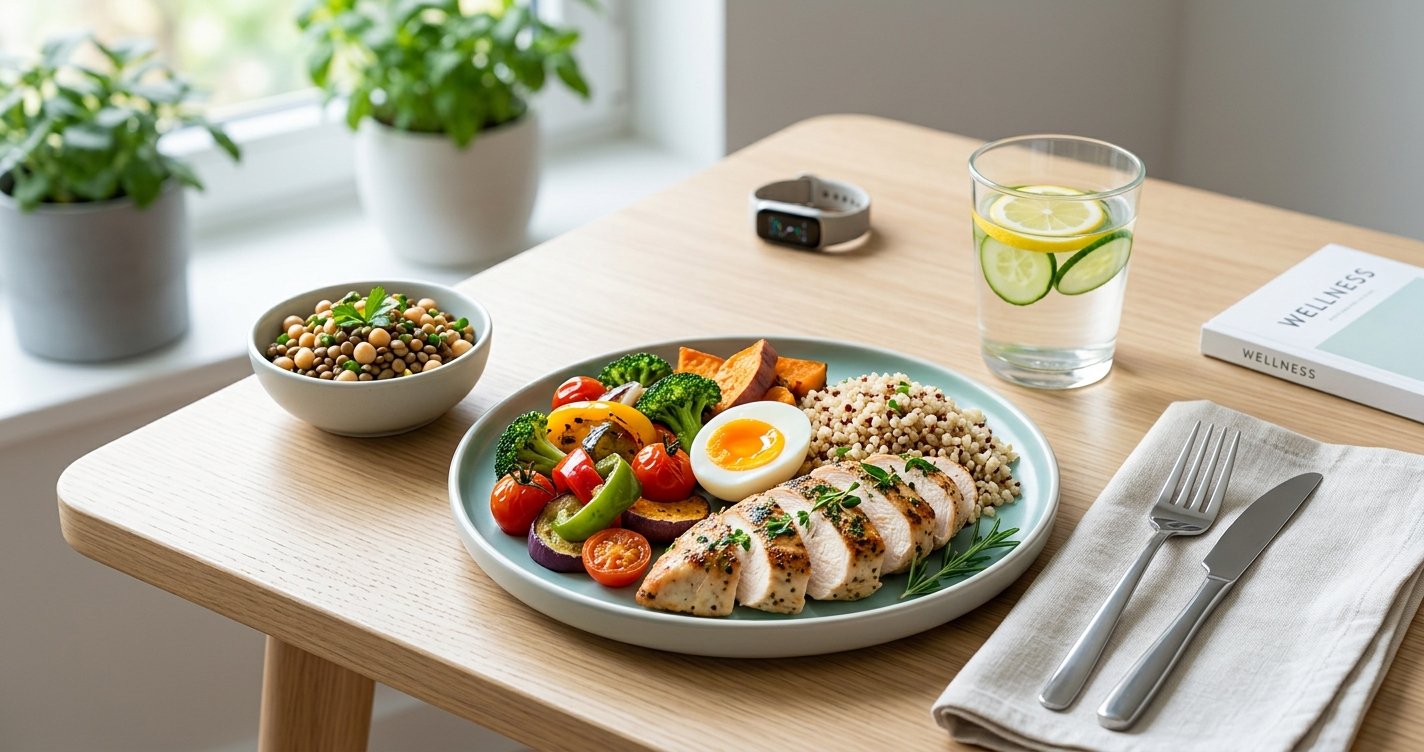
Visualizing your plate can make healthy eating second nature. Aim for a plate that looks something like this:
- Half your plate: Non-starchy vegetables (broccoli, spinach, bell peppers, salad).
- A quarter of your plate: Lean protein source.
- A quarter of your plate: Complex carbohydrates (quinoa, brown rice, sweet potato, whole-grain bread).
- A thumb-sized portion: Healthy fats (avocado, nuts, olive oil dressing).
Practical Strategies for Sustainable Success
Knowledge is power, but consistent action is what truly drives results. Here are some actionable strategies to help you implement these principles effectively:
- Meal Prepping & Planning: Dedicate some time each week to plan your meals and prepare some components in advance. This reduces decision fatigue and ensures you have healthy options readily available when hunger strikes.
- Mindful Eating: Pay attention to your body's hunger and fullness cues. Eat slowly, savor your food, and put away distractions. This can help prevent overeating and improve your relationship with food.
- Track Progress (Not Just Weight): While the scale is one metric, it's not the only one. Track body measurements, how your clothes fit, energy levels, strength in workouts, and mood. Celebrate non-scale victories!
- Patience & Consistency: Fat loss is a marathon, not a sprint. There will be good days and challenging days. The key is consistency over time. Don't let a single "off" meal or day derail your entire journey. Get back on track at your next meal.
- Stay Active: While nutrition is paramount for fat loss, incorporating regular physical activity (both strength training and cardio) will enhance your results, boost your metabolism, preserve muscle, and improve overall health and mood.
Busting Common Fat Loss Myths
Let's clear up some common misconceptions that can hinder your progress:
- "Carbs make you fat!" No, excess calories make you fat. Carbohydrates are your body's preferred energy source, especially for activity. Focus on complex carbs like whole grains, fruits, and vegetables, and manage portion sizes.
- "You need to cut out [insert food group here] to lose weight." Unless you have an allergy or intolerance, no single food group is inherently "bad." Balance, moderation, and a calorie deficit are what matter. Sustainable eating includes all food groups in appropriate amounts.
- "Spot reduction works." Unfortunately, you can't choose where your body loses fat from. Doing endless crunches won't specifically target belly fat. Fat loss occurs systemically across your body.
Your Journey to Sustainable Fat Loss Starts Now!
Embarking on a fat loss journey can feel daunting, but with the right knowledge and a positive mindset, you've got this! By understanding the fundamental role of a calorie deficit and harnessing the power of protein, you're already light-years ahead of the fad diet crowd. Remember, sustainable fat loss isn't about deprivation; it's about smart choices, consistent effort, and nourishing your body in a way that supports your goals and overall well-being.
Start small, make gradual changes, and celebrate every step of your progress. Be patient with yourself, embrace the process, and know that you are building not just a leaner body, but a healthier, more confident, and more vibrant you. Here's to a sustainable, satisfying, and successful fat loss journey!