Unlock Sustainable Fat Loss: The Dynamic Duo of Protein and a Smart Calorie Deficit
Are you tired of diet fads that promise rapid results only to leave you feeling frustrated, deprived, and often heavier than when you started? If so, you’re not alone. The journey to fat loss can feel like a minefield of conflicting advice. But what if we told you that the most effective, sustainable approach isn’t about extreme restrictions or magic pills, but rather a powerful, evidence-based combination of two fundamental principles: a smart calorie deficit and adequate protein intake?
This isn't about quick fixes; it's about building a foundation for lasting change. We’ll dive into why these two factors are your ultimate allies in shedding unwanted fat, preserving muscle, and transforming your body in a way that truly sticks. Get ready to ditch the confusion and embrace a friendly, scientific approach to sustainable fat loss! this excellent wellness product
Why Most Diets Fail (And How to Avoid the Trap)
Before we build effective strategies, it's crucial to understand why so many traditional diets fall short. Often, they advocate for severe calorie restriction, elimination of entire food groups, or reliance on specific 'detox' plans. While these might lead to initial weight loss, much of it is often water or even precious muscle mass. This rapid, unsustainable approach often results in:
- Metabolic Slowdown: Your body adapts to extreme restriction by burning fewer calories.
- Muscle Loss: Without enough protein and resistance, your body breaks down muscle for energy, further slowing your metabolism.
- Intense Cravings: Deprivation inevitably leads to powerful urges to overeat.
- Rebound Weight Gain: The infamous 'yo-yo effect' where weight returns, often with extra fat.
Our goal is to circumvent these pitfalls by focusing on a strategy that fuels your body, satisfies your hunger, and protects your metabolism.
The Cornerstone: Understanding Your Calorie Deficit
At its core, fat loss boils down to one undeniable scientific principle: you must consume fewer calories than your body expends. This is known as a calorie deficit. Think of it like a bank account: if you spend more than you deposit, your balance goes down. Similarly, if your body burns more energy (calories) than you consume, it's forced to tap into its stored energy reserves – primarily body fat.
But here's the crucial part: a smart calorie deficit isn't about starvation. It's about finding a moderate, sustainable reduction that allows for consistent fat loss without triggering extreme hunger or metabolic slowdown. A good starting point is often a deficit of 300-500 calories below your Total Daily Energy Expenditure (TDEE). You can estimate your TDEE using online calculators, but remember these are just estimates and will require some personal adjustment based on your progress.
Key takeaway: Consistency is far more powerful than severity. A small, consistent deficit over time yields far better results than a drastic, short-lived one.
Protein: Your Secret Weapon for Fat Loss
Once you've established your calorie deficit, protein becomes your most valuable nutritional ally. It's not just for bodybuilders; it's essential for anyone looking to lose fat effectively and sustainably. Here's why:
The Satiety Factor: Stay Full, Longer
Of all the macronutrients (protein, carbs, fats), protein is by far the most satiating. Eating enough protein helps you feel fuller for longer, significantly reducing cravings and the urge to snack unnecessarily. This makes adhering to your calorie deficit much easier and more comfortable.
Muscle Preservation: Protect Your Metabolism
When you're in a calorie deficit, your body will naturally try to break down muscle tissue for energy, especially if protein intake is low. This is detrimental because muscle is metabolically active, meaning it burns more calories at rest than fat does. Adequate protein intake signals to your body that it should preserve muscle mass, ensuring that the weight you lose is predominantly fat, not muscle. This helps maintain a healthy metabolism, making long-term weight management easier.
Thermic Effect of Food (TEF): The Protein Power-Up
Did you know your body expends energy just to digest and process food? This is called the Thermic Effect of Food (TEF). Protein has a significantly higher TEF than carbohydrates or fats. This means you burn more calories simply by eating and digesting protein-rich foods, giving you a slight metabolic advantage in your fat loss journey.
How Much Protein Do You Need?
For optimal fat loss and muscle preservation during a calorie deficit, research suggests aiming for 1.6 to 2.2 grams of protein per kilogram of body weight (or 0.7 to 1 gram per pound of body weight) daily. Distribute this protein evenly across your meals to maximize its benefits.
Excellent protein sources include:
- Lean meats (chicken breast, turkey, lean beef)
- Fish and seafood (salmon, tuna, cod, shrimp)
- Eggs
- Dairy products (Greek yogurt, cottage cheese, milk)
- Legumes (lentils, beans, chickpeas)
- Tofu and tempeh
- Protein powders (whey, casein, plant-based)
Crafting Your Plates: Practical Nutrition Strategies
Knowing what to eat is one thing; putting it into practice is another. Here’s how to build meals that support your calorie deficit and high protein goals:
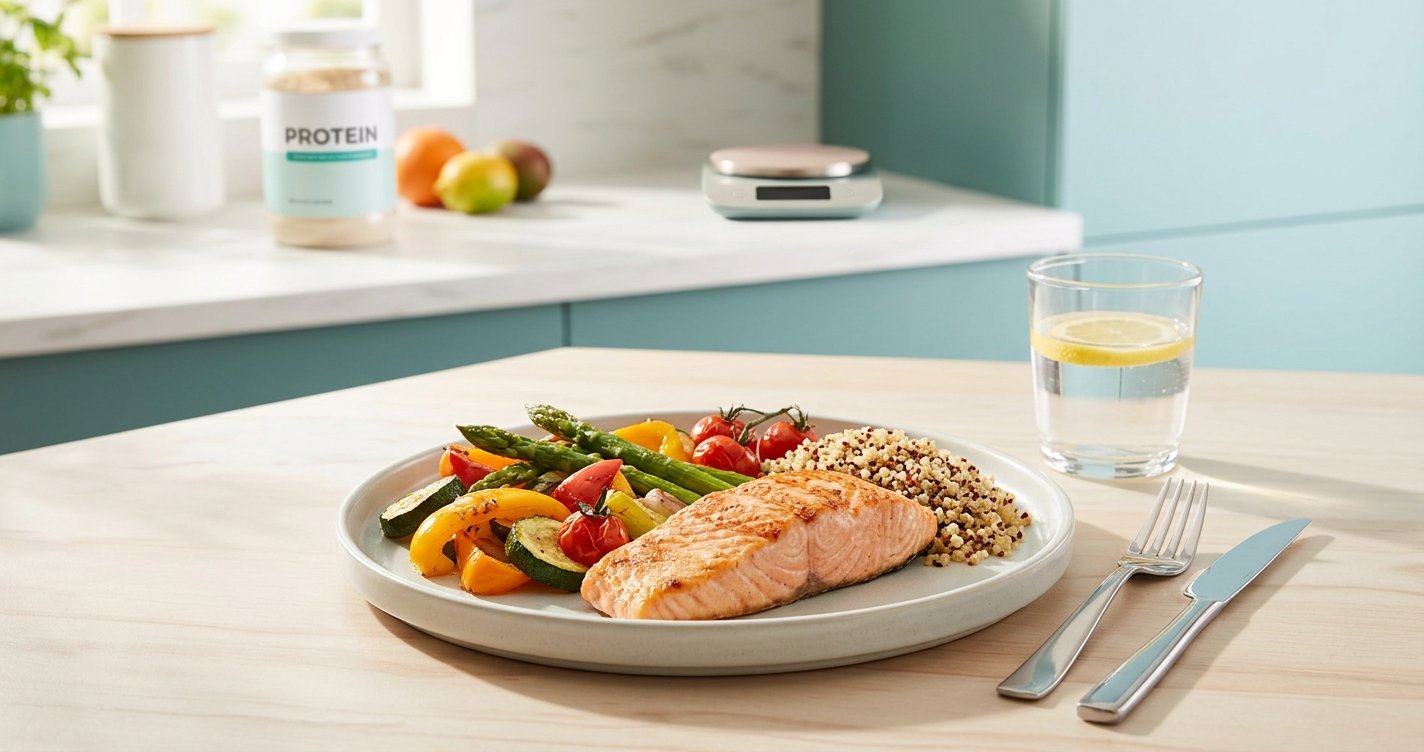
- Prioritize Protein at Every Meal: Make protein the star of your plate. Start with your protein source, then build around it with vegetables and smart carb choices.
- Load Up on Vegetables: Non-starchy vegetables are low in calories, high in fiber, and packed with nutrients. They add volume to your meals, enhancing satiety without adding many calories.
- Choose Smart Carbohydrates: Opt for whole grains (oats, quinoa, brown rice), fruits, and starchy vegetables (sweet potatoes). These provide sustained energy and fiber.
- Don't Fear Healthy Fats: Fats are essential for hormone production and nutrient absorption. Include sources like avocados, nuts, seeds, and olive oil in moderation, as they are calorie-dense.
- Hydrate, Hydrate, Hydrate: Drinking plenty of water can help with satiety, boost metabolism slightly, and is crucial for overall health. Often, thirst is mistaken for hunger.
- Practice Mindful Eating: Eat slowly, savor your food, and pay attention to your body's hunger and fullness cues. This helps prevent overeating and enhances your enjoyment of meals.
Beyond the Plate: Lifestyle Factors Supporting Fat Loss
While nutrition is paramount, a holistic approach to fat loss acknowledges other key lifestyle components:
- Quality Sleep: Lack of sleep disrupts hormones that regulate hunger (ghrelin) and satiety (leptin), making you hungrier and more prone to cravings. Aim for 7-9 hours per night.
- Stress Management: Chronic stress elevates cortisol levels, which can promote fat storage, especially around the midsection. Find healthy ways to manage stress, such as meditation, yoga, or spending time in nature.
- Consistent Movement: While you can't out-exercise a bad diet, regular physical activity is crucial. Incorporate both resistance training (to build and preserve muscle) and cardiovascular exercise (for calorie expenditure and heart health).
Staying Consistent and Overcoming Plateaus
The fat loss journey is rarely a straight line. You'll have good days and challenging ones, and you might even hit a plateau. Here's how to navigate them:
- Track Your Progress: Don't just rely on the scale. Take measurements, progress photos, and note how your clothes fit. These non-scale victories can be incredibly motivating.
- Be Patient and Persistent: Sustainable fat loss takes time. Trust the process and stick with your plan.
- Adjust as Needed: If you hit a plateau for more than 2-3 weeks, you might need to slightly adjust your calorie intake or increase your activity levels. Small tweaks are often more effective than drastic changes.
Your Path to Sustainable Success
Embracing a smart calorie deficit and prioritizing protein intake aren't just diet tactics; they are fundamental principles for sustainable fat loss and improved overall health. This friendly, evidence-based approach empowers you to make informed choices, feel satisfied, and build a body that's not only leaner but also stronger and healthier.
Remember, this is your journey. Be kind to yourself, celebrate your progress, and stay consistent. By focusing on these powerful strategies, you're not just losing weight; you're building habits that will serve you for a lifetime. Start today, and unlock the sustainable fat loss you deserve!