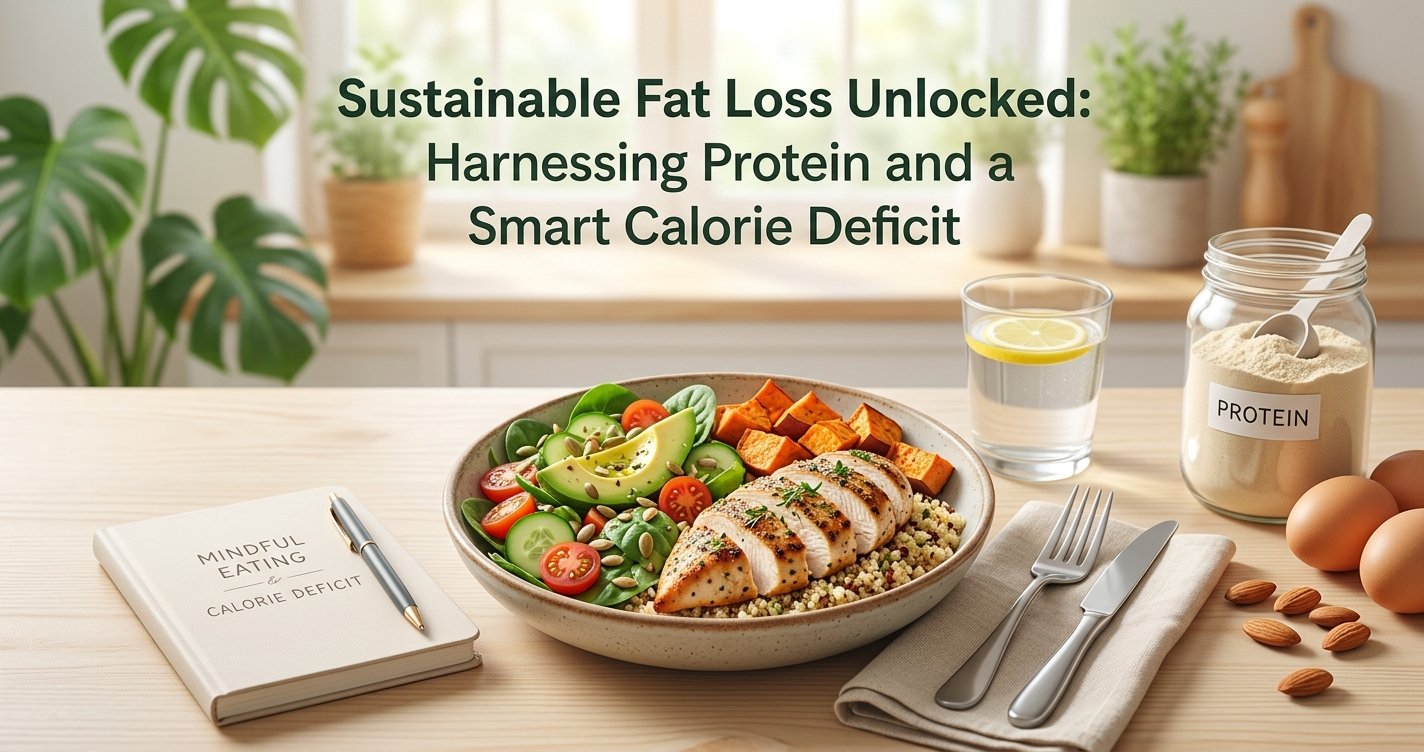
Embarking on a fat loss journey can often feel like navigating a complex maze. With countless diets, workout plans, and conflicting advice flooding our feeds, it’s easy to get lost and feel discouraged. But what if we told you that sustainable, effective fat loss doesn't have to be overly complicated? The truth is, two fundamental, evidence-based pillars form the bedrock of successful fat loss: a smart calorie deficit and adequate protein intake. Forget the fads and quick fixes; this guide will empower you with the knowledge to build a strategy that works for you, focusing on long-term health and genuine results. Let’s dive into how these two powerful tools can transform your body and your approach to nutrition, making your fat loss journey not just effective, but enjoyable and sustainable.
Understanding the Calorie Deficit: The Non-Negotiable Foundation
At its core, fat loss is a simple equation: you must consume fewer calories than your body burns. This state is known as a calorie deficit. Your body needs a certain amount of energy (calories) to perform all its functions, from breathing and thinking to exercising. This total daily energy expenditure (TDEE) varies based on factors like age, gender, weight, height, and activity level. this excellent wellness product
When you consistently eat below your TDEE, your body is forced to tap into its stored energy reserves – primarily fat – to make up the difference. This is why a calorie deficit is the absolute foundation of fat loss. Without it, no amount of exercise or 'clean eating' will lead to significant fat loss.
How to Create a Smart Deficit:
- Calculate Your TDEE: Online calculators can give you a good estimate, but remember they are just a starting point.
- Aim for a Moderate Deficit: A deficit of 300-500 calories per day is generally recommended for sustainable and healthy fat loss. This typically results in losing 1-2 pounds per week, which minimizes muscle loss and avoids extreme hunger or metabolic slowdown.
- Track Your Intake: Initially, using a food tracking app can be incredibly helpful to understand your current caloric intake and ensure you're hitting your deficit target. This isn't forever, but it provides valuable insights.
Remember, sustainability is key. A drastic deficit might lead to rapid initial weight loss, but it's often unsustainable, leading to muscle loss, nutrient deficiencies, fatigue, and ultimately, rebound weight gain. A smart deficit is one you can maintain consistently.
Why Protein is Your Best Friend for Fat Loss
While a calorie deficit is the engine of fat loss, protein is the fuel that keeps that engine running smoothly and efficiently. Protein offers several distinct advantages that make it indispensable when you're trying to shed body fat:
- Satiety Powerhouse: Protein is renowned for its ability to keep you feeling fuller for longer. Compared to carbohydrates and fats, protein has a greater satiating effect, meaning it helps reduce hunger pangs and cravings. This is incredibly valuable when you're in a calorie deficit, as it makes adhering to your plan much easier.
- Higher Thermic Effect of Food (TEF): Your body uses energy to digest, absorb, and metabolize the food you eat. This is known as the Thermic Effect of Food (TEF). Protein has the highest TEF among macronutrients, meaning about 20-30% of the calories from protein are burned just during its digestion. This is significantly higher than carbohydrates (5-10%) and fats (0-3%), giving you a slight metabolic advantage.
- Muscle Preservation: When you're in a calorie deficit, your body can break down not only fat but also muscle tissue for energy. This is undesirable because muscle is metabolically active, burning more calories at rest than fat. Adequate protein intake is crucial for preserving lean muscle mass during fat loss, ensuring that the weight you lose is primarily fat.
- Repair and Recovery: Protein is the building block for virtually every tissue in your body, including muscle. If you're incorporating exercise (especially strength training) into your routine, protein is essential for repairing muscle tissue and supporting recovery, helping you get stronger and more resilient.
Simply put, prioritizing protein helps you feel full, burns more calories during digestion, and protects your precious muscle mass, making your fat loss journey more effective and sustainable.
How Much Protein Do You Really Need? Practical Guidelines
So, if protein is so important, how much should you be aiming for? While individual needs can vary, research provides clear guidelines for optimal protein intake during fat loss.
- General Recommendation: For individuals aiming for fat loss while preserving muscle, a daily intake of 1.6 to 2.2 grams of protein per kilogram of body weight is often recommended. If you're highly active or significantly overweight, some experts suggest even higher amounts, up to 2.5-3.0 g/kg of lean body mass.
- Example: If you weigh 70 kg (approx. 154 lbs), aiming for 1.6-2.2 g/kg means consuming approximately 112-154 grams of protein per day.
Excellent Protein Sources:
- Animal Sources: Lean meats (chicken breast, turkey, lean beef), fish (salmon, tuna, cod), eggs, dairy (Greek yogurt, cottage cheese, milk). These are considered complete proteins, meaning they contain all nine essential amino acids.
- Plant Sources: Legumes (lentils, beans, chickpeas), tofu, tempeh, edamame, quinoa, nuts, seeds. A combination of plant-based proteins throughout the day can ensure you get all essential amino acids.
- Protein Supplements: Whey, casein, or plant-based protein powders can be a convenient way to boost your intake, especially post-workout or as a snack, but prioritize whole food sources first.
Distribute Your Protein: Instead of consuming all your protein in one meal, aim to spread it out throughout the day. Try to include 20-40 grams of protein in each main meal and snacks. This helps maximize muscle protein synthesis and keeps you feeling satiated consistently.
Crafting Your Plate: Combining Protein and a Smart Deficit
Knowing the 'what' and 'why' is great, but the 'how' is where the magic happens. Here’s how to practically build your meals to support both a calorie deficit and high protein intake:
- Prioritize Protein First: When planning a meal, think about your protein source first. A palm-sized portion of lean protein is a good starting point for most meals.
- Load Up on Vegetables: Non-starchy vegetables (broccoli, spinach, bell peppers, zucchini, leafy greens) are incredibly low in calories but high in fiber, vitamins, and minerals. They add volume to your meals, helping you feel full without adding many calories.
- Include Healthy Fats: Don't fear fats, but choose them wisely and in moderation. Avocados, nuts, seeds, and olive oil provide essential fatty acids, support hormone function, and add to satiety. Remember, fats are calorie-dense, so portion control is crucial.
- Smart Carbohydrate Choices: Opt for complex carbohydrates like whole grains (oats, brown rice, quinoa), sweet potatoes, and fruits. These provide sustained energy and fiber. Portion sizes should be adjusted to fit your calorie deficit goals.
Example Meal Ideas:
- Breakfast: Greek yogurt with berries and a sprinkle of nuts, or scrambled eggs with spinach and a slice of whole-wheat toast.
- Lunch: Large salad with grilled chicken/fish/tofu, plenty of non-starchy veggies, and a light vinaigrette, or a lentil soup with whole-grain bread.
- Dinner: Baked salmon with roasted broccoli and quinoa, or lean ground turkey stir-fry with mixed vegetables and a small portion of brown rice.
- Snacks: Cottage cheese, hard-boiled eggs, a small handful of almonds, or a protein shake.
Hydration is Key: Don't forget to drink plenty of water throughout the day. Sometimes, thirst can be mistaken for hunger, and staying hydrated supports overall metabolic function.
Beyond Calories & Protein: Lifestyle Factors for Success
While a calorie deficit and protein are foundational, sustainable fat loss is a holistic endeavor. Several lifestyle factors significantly influence your body's ability to burn fat and maintain a healthy weight:
The Power of Quality Sleep
Sleep is not just for rest; it's a critical component of metabolic health. Insufficient sleep can disrupt hormones that regulate hunger and satiety: ghrelin (the hunger hormone) increases, while leptin (the satiety hormone) decreases. This can lead to increased cravings, especially for high-calorie, sugary foods, making adherence to your calorie deficit much harder. Aim for 7-9 hours of quality sleep per night.
Managing Stress for Fat Loss
Chronic stress triggers the release of cortisol, a hormone that, when elevated long-term, can promote fat storage, particularly around the abdominal area. Finding healthy ways to manage stress – through mindfulness, meditation, exercise, or hobbies – is vital for both mental well-being and physical results. Remember, stress eating can easily derail your efforts.
Movement and Exercise
While fat loss starts in the kitchen, exercise is your powerful ally. Incorporating a mix of strength training and cardiovascular exercise offers numerous benefits:
- Strength Training: Builds and preserves muscle mass, which is crucial for maintaining a higher resting metabolism. The more muscle you have, the more calories your body burns at rest.
- Cardiovascular Exercise: Burns calories, improves heart health, and boosts mood. It can directly contribute to creating your calorie deficit.
Find activities you enjoy to ensure consistency. Consistency, not intensity, is the ultimate driver of long-term success.
Navigating Challenges: Plateaus and Progress
The fat loss journey is rarely a straight line. You will likely encounter plateaus – periods where progress seems to stall despite your best efforts. This is a normal physiological response as your body adapts to its new weight and calorie intake. Don't get discouraged!
Strategies for Overcoming Plateaus:
- Re-evaluate Your Intake: As you lose weight, your TDEE decreases because your body requires less energy to move a smaller mass. You might need to slightly reduce your calorie target further or increase your activity.
- Increase NEAT: Non-Exercise Activity Thermogenesis (NEAT) refers to the calories burned from daily activities outside of structured exercise (e.g., walking, fidgeting, taking the stairs). Increase your daily steps or find more opportunities to move.
- Adjust Training: If you've been doing the same routine, consider changing your strength training program or increasing the intensity/duration of your cardio.
- Take a Diet Break: Sometimes, a temporary increase in calories back to maintenance level for a week or two can help reset hormones and reduce diet fatigue, making it easier to resume your deficit afterwards.
- Be Patient and Consistent: Fat loss is a marathon, not a sprint. Consistency over time will yield results. Focus on habits, not just the scale.
Your Sustainable Path to a Healthier You
Sustainable fat loss isn't about deprivation or extreme measures; it's about building smart, evidence-based habits that you can maintain for life. By understanding and consistently applying the principles of a smart calorie deficit and prioritizing protein intake, you're not just losing weight – you're building a healthier, stronger, and more resilient you.
Remember to listen to your body, celebrate small victories, and be kind to yourself throughout the process. Combine these nutritional pillars with adequate sleep, stress management, and regular movement, and you'll not only achieve your fat loss goals but also foster a healthier relationship with food and your body. Your journey to sustainable fat loss starts now, fueled by knowledge, consistency, and a little bit of patience. You've got this!