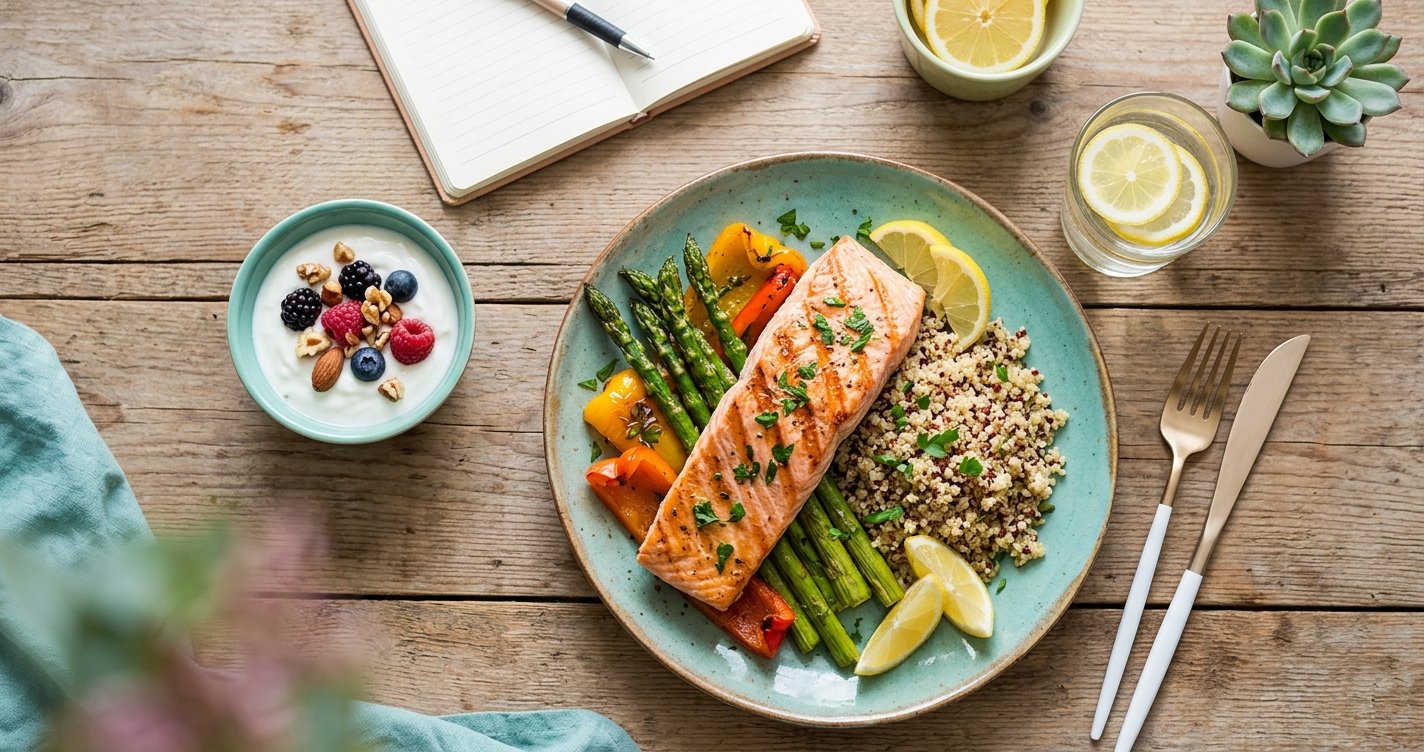
Are you tired of diet fads that promise rapid results only to leave you feeling frustrated, deprived, and right back where you started? You’re not alone. The journey to fat loss can often feel like a confusing maze of conflicting information. But what if we told you there’s a simpler, more sustainable path rooted in science, one that focuses on nourishing your body while achieving your goals?
Forget the extreme cleanses and restrictive eating plans. Today, we're diving deep into the powerful, evidence-based duo that forms the bedrock of effective and lasting fat loss: a strategic calorie deficit combined with adequate protein intake. This isn't about quick fixes; it's about creating habits that empower you for life, helping you shed unwanted fat while preserving precious muscle and boosting your overall health. Let's unlock the secrets to a leaner, stronger, and more vibrant you, sustainably. this excellent wellness product
Understanding the Calorie Deficit: Your Foundation for Fat Loss
At its core, fat loss boils down to one fundamental principle: consuming fewer calories than your body expends. This is known as creating a calorie deficit. Your body needs a certain amount of energy (calories) to perform its daily functions, from breathing and thinking to exercising and digesting food. This total energy expenditure is often referred to as your Total Daily Energy Expenditure (TDEE).
When you consistently eat below your TDEE, your body is forced to tap into its stored energy reserves – primarily body fat – to make up the difference. This is the only way true fat loss occurs. While it sounds simple, many people struggle with creating a deficit that is both effective and sustainable.
- How to create a smart deficit: Instead of drastic cuts, aim for a modest deficit of 300-500 calories per day. This allows for steady fat loss (typically 1-2 pounds per week) without feeling overly deprived or risking excessive muscle loss.
- Estimate your TDEE: Online calculators can give you a starting point, taking into account your age, weight, height, sex, and activity level. Remember, these are estimates, and you'll need to adjust based on your progress.
- Track for awareness: Using a food tracking app for a few weeks can be incredibly insightful. It helps you understand the calorie content of your usual meals and identify areas where you can make small, impactful changes. This isn't about lifelong tracking, but about building awareness.
The key here is consistency and patience. Fat loss is rarely linear, and small, consistent efforts over time yield the best results.
The Mighty Macronutrient: Why Protein is Your Best Friend
While a calorie deficit is non-negotiable for fat loss, protein intake is arguably the most critical factor for *successful* fat loss – meaning losing fat, not just weight, and maintaining your muscle mass. Protein offers a triple threat in your fat loss arsenal:
- Satiety Powerhouse: Protein is renowned for its ability to keep you feeling fuller for longer compared to carbohydrates or fats. This means fewer cravings, less snacking, and an easier time adhering to your calorie deficit. Imagine feeling satisfied after meals instead of constantly searching for more!
- Muscle Preservation: When you're in a calorie deficit, your body ideally uses stored fat for energy. However, without sufficient protein, there's a risk of losing valuable muscle mass alongside fat. Muscle is metabolically active, meaning it burns more calories at rest than fat does. Preserving muscle helps maintain a higher metabolism, making long-term fat loss and maintenance easier.
- Higher Thermic Effect of Food (TEF): Your body expends energy to digest, absorb, and metabolize the food you eat. This is called the Thermic Effect of Food (TEF). Protein has the highest TEF among the macronutrients, meaning you burn more calories simply by digesting protein-rich foods. It's like a metabolic boost just from eating!
How Much Protein Do You Need?
For optimal fat loss and muscle preservation during a deficit, research suggests aiming for 1.6 to 2.2 grams of protein per kilogram of body weight (or 0.7 to 1 gram per pound of target body weight). For example, a 150-pound individual might aim for 105-150 grams of protein per day. Focus on incorporating a protein source into every meal and snack.
Excellent Protein Sources:
- Lean Meats: Chicken breast, turkey, lean beef, pork loin
- Fish and Seafood: Salmon, cod, shrimp, tuna
- Dairy: Greek yogurt, cottage cheese, milk
- Eggs
- Legumes: Lentils, beans, chickpeas
- Plant-Based: Tofu, tempeh, edamame, protein powder (whey, casein, plant-based)
Beyond Calories and Protein: The Importance of Food Quality
While calories and protein are foundational, the quality of your food choices plays a significant role in your overall health, satiety, and energy levels during fat loss. Not all calories are created equal. 100 calories from a highly processed cookie will affect your body differently than 100 calories from an apple or chicken breast.
- Whole, Unprocessed Foods: Prioritize whole foods like fruits, vegetables, whole grains, and healthy fats. These foods are rich in vitamins, minerals, and fiber.
- Fiber's Role: Fiber, found abundantly in plants, contributes to satiety, aids digestion, and helps regulate blood sugar levels, preventing energy crashes and subsequent cravings.
- Hydration: Don't underestimate the power of water! Staying well-hydrated helps with satiety, aids metabolism, and is crucial for countless bodily functions. Sometimes, thirst can be mistaken for hunger.
Focusing on nutrient-dense foods ensures your body gets the fuel it needs to thrive, making the fat loss process feel much easier and more enjoyable.
Strength Training: Build Muscle, Burn More Fat
When most people think of fat loss, cardio often comes to mind first. While cardiovascular exercise has its benefits, strength training (or resistance training) is an absolute game-changer for body composition and sustainable fat loss. Here's why:
- Boost Your Metabolism: Muscle tissue is more metabolically active than fat tissue. This means the more muscle you have, the more calories your body burns at rest, even when you're just sitting on the couch. Building muscle effectively turns your body into a more efficient fat-burning machine 24/7.
- Preserve Muscle During a Deficit: As mentioned, combining strength training with adequate protein helps signal to your body to preserve muscle mass while you're in a calorie deficit. This ensures that the weight you're losing is primarily fat, not muscle.
- Improve Body Composition: Strength training not only helps you lose fat but also sculpts your physique. You might weigh the same, but look much leaner and stronger due to improved muscle-to-fat ratio.
- Functional Strength and Bone Health: Beyond aesthetics, strength training improves daily functional movements, reduces injury risk, and enhances bone density, contributing to long-term health and vitality.
Aim for 2-4 strength training sessions per week, focusing on compound movements (exercises that work multiple muscle groups) like squats, deadlifts, presses, and rows. If you're new to it, consider working with a qualified trainer to learn proper form and establish a safe, effective routine.
Don't Forget the Fundamentals: Sleep, Stress, and Consistency
While nutrition and exercise are paramount, overlooking other lifestyle factors can sabotage even the best-laid fat loss plans. These foundational elements often go unaddressed but are critical for sustained success:
- Quality Sleep: Lack of sleep wreaks havoc on your hormones. It increases ghrelin (the hunger hormone) and decreases leptin (the satiety hormone), making you feel hungrier and less satisfied. Poor sleep also impairs insulin sensitivity and can lead to increased cortisol, promoting fat storage, especially around the belly. Aim for 7-9 hours of quality sleep per night.
- Stress Management: Chronic stress elevates cortisol levels. While cortisol is essential for certain bodily functions, chronically high levels can lead to increased appetite, cravings for comfort foods, and a tendency to store fat, particularly visceral fat. Incorporate stress-reducing activities like meditation, yoga, spending time in nature, or hobbies you enjoy.
- Consistency Over Perfection: The biggest enemy of sustainable fat loss isn't a single slip-up; it's giving up entirely. Progress isn't linear. There will be good days and challenging days. The key is to be consistent with your efforts most of the time. Don't let one bad meal or missed workout derail your entire journey. Get back on track at the next opportunity.
- Patience is a Virtue: Sustainable fat loss takes time. Your body needs time to adapt, and results won't appear overnight. Celebrate small victories, trust the process, and focus on building healthy habits that you can maintain for the long haul.
Practical Tips for Your Sustainable Fat Loss Journey
Now that you understand the core principles, here are some actionable tips to integrate them into your daily life:
- Meal Prep for Success: Dedicate some time each week to prepare protein-rich meals and snacks. This reduces decision fatigue and ensures you have healthy options readily available when hunger strikes.
- Prioritize Protein at Every Meal: Make sure each main meal contains a substantial source of lean protein. This will help with satiety and muscle preservation.
- Fill Up on Veggies: Load your plate with non-starchy vegetables. They are low in calories, high in fiber, and packed with nutrients, helping you feel full without overeating.
- Mindful Eating: Pay attention to your hunger and fullness cues. Eat slowly, savor your food, and put down your fork between bites. This helps prevent overeating and improves digestion.
- Track Progress Beyond the Scale: While the scale can be a tool, it doesn't tell the whole story. Also, track changes in body measurements, how your clothes fit, your strength in the gym, and your energy levels.
- Seek Professional Guidance: If you're unsure where to start or feel overwhelmed, consider consulting a registered dietitian or a certified personal trainer. They can provide personalized advice and support.
Sustainable fat loss isn't about deprivation; it's about empowerment. It's about understanding how your body works and fueling it intelligently. By embracing a strategic calorie deficit, prioritizing protein, incorporating strength training, and nurturing your overall well-being with adequate sleep and stress management, you're not just losing weight – you're building a stronger, healthier, and more resilient version of yourself. This is a journey of self-discovery and consistent effort, and with these powerful tools, you've got everything you need to succeed. Start today, and commit to a healthier, happier you!