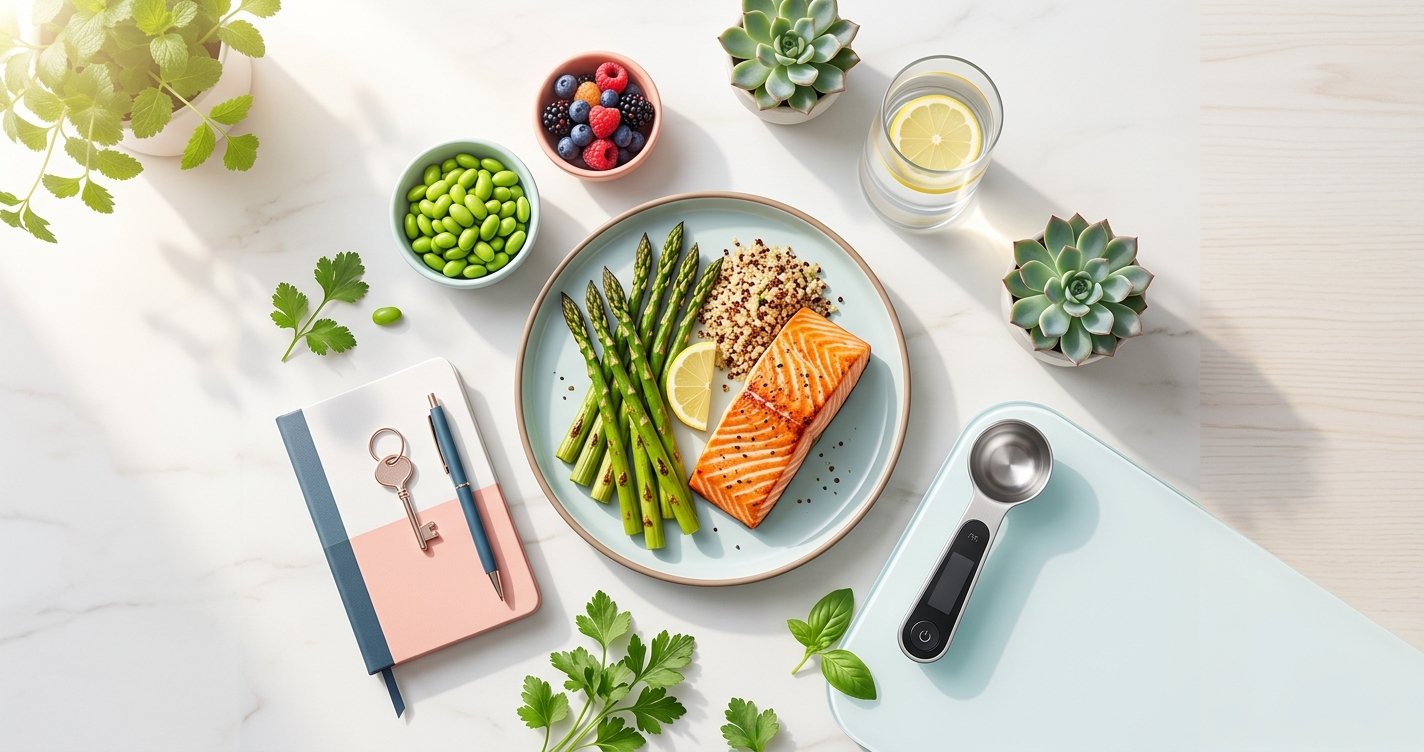
Sustainable Fat Loss Decoded: Why Protein & A Smart Calorie Deficit Are Your Keys to Success
Are you tired of the endless cycle of fad diets, restrictive eating, and the frustration of unsustainable weight loss? You’re not alone. Many people embark on a fat loss journey with enthusiasm, only to be met with disappointment when the results don't last or the methods prove too extreme. But what if there was a simpler, more evidence-based path to achieving and maintaining your ideal body composition?
The good news is, there is! Sustainable fat loss isn't about deprivation; it's about understanding and applying fundamental principles that work with your body, not against it. Today, we're going to dive deep into two of the most powerful, yet often misunderstood, pillars of effective fat loss: creating a smart calorie deficit and harnessing the incredible power of protein. Get ready to transform your approach to nutrition, not just for a leaner body, but for a healthier, stronger, and more energetic you! this excellent wellness product
Understanding the Calorie Deficit: The Golden Rule of Fat Loss
Let's get straight to the science: to lose fat, you must consume fewer calories than your body burns. This is known as creating a calorie deficit, and it's the absolute bedrock of any effective fat loss strategy. No magic pills, no secret foods—this principle is non-negotiable. Your body needs energy (calories) to perform all its functions, from breathing to exercising. When you consistently provide less energy than it needs, it starts to tap into its stored energy reserves, primarily body fat, for fuel.
How to Calculate Your Calorie Needs (Simply!)
Don't worry, you don't need a PhD in nutrition to figure this out. While precise calculations can be complex, you can get a very good estimate using online TDEE (Total Daily Energy Expenditure) calculators. These tools take into account your age, gender, height, weight, and activity level to estimate how many calories your body burns in a day. A quick search for "TDEE calculator" will give you plenty of options.
Once you have your estimated TDEE, you're ready for the next step.
Creating a Sustainable Deficit: The "Smart" Way
This is where many people go wrong. They slash their calories too drastically, leading to extreme hunger, nutrient deficiencies, muscle loss, and an inevitable rebound. A sustainable calorie deficit is typically 300-500 calories below your TDEE. This allows for steady, manageable fat loss (around 1-2 pounds per week for most individuals) without severely impacting your energy levels or metabolism.
- Too Aggressive (e.g., 1000+ calorie deficit): Can lead to muscle loss (which slows metabolism), extreme hunger, nutrient deficiencies, and make adherence virtually impossible.
- Too Small (e.g., <200 calorie deficit): Might be too slow to see noticeable progress, leading to frustration.
Remember, consistency is key. A moderate, sustainable deficit that you can stick to over weeks and months will always yield better long-term results than a drastic, short-lived crash diet.
The Mighty Macronutrient: Why Protein is Your Best Friend for Fat Loss
While a calorie deficit is the engine, protein is the premium fuel that ensures your journey is efficient, comfortable, and preserves your precious muscle mass. Often overlooked in favor of restrictive low-carb or low-fat approaches, protein is a powerhouse for fat loss for several compelling reasons:
1. Satiety and Hunger Control
Protein is the most satiating macronutrient. This means it keeps you feeling fuller for longer, significantly reducing cravings and the urge to snack. Imagine going hours without thinking about food—that's the power of protein at work! Studies consistently show that higher protein diets lead to reduced overall calorie intake because people simply feel less hungry.
2. Preserving Muscle Mass: Your Metabolic Engine
When you're in a calorie deficit, your body doesn't just burn fat; it can also break down muscle tissue for energy. This is problematic because muscle is metabolically active, meaning it burns more calories at rest than fat does. Losing muscle slows down your metabolism, making fat loss harder in the long run. Adequate protein intake (typically 0.7-1.0 grams per pound of body weight, or 1.6-2.2 grams per kg, for active individuals) signals to your body to preserve muscle, ensuring that the majority of your weight loss comes from fat.
3. The Thermic Effect of Food (TEF)
Did you know your body burns calories just to digest and process the food you eat? This is called the Thermic Effect of Food (TEF). Protein has the highest TEF of all macronutrients, meaning about 20-30% of the calories from protein are burned during digestion, compared to 5-10% for carbs and 0-3% for fats. While not a massive factor on its own, it adds up over time and gives you a slight metabolic advantage.
Smart Food Choices: Beyond Just Protein
While protein takes center stage, a holistic approach to nutrition is vital for overall health and sustainable fat loss. Don't forget about these other crucial components:
The Importance of Fiber and Whole Foods
Fiber, found abundantly in fruits, vegetables, whole grains, and legumes, works wonders for fat loss. Like protein, it enhances satiety, helping you feel full. It also supports a healthy digestive system and gut microbiome, which is increasingly linked to weight management. Prioritize whole, unprocessed foods over their refined counterparts to maximize your fiber and nutrient intake.
Healthy Fats: Don't Fear Them!
For decades, fat was demonized, but we now know that healthy fats are essential for hormone production, nutrient absorption, and overall well-being. Found in avocados, nuts, seeds, olive oil, and fatty fish, these fats contribute to satiety and provide vital nutrients. Just remember, fats are calorie-dense, so portion control is key, even with healthy sources.
Hydration for Health and Fat Loss
Often overlooked, adequate water intake is crucial. Staying well-hydrated can help manage hunger (sometimes thirst is mistaken for hunger!), support metabolism, and ensure your body's systems are functioning optimally. Aim for at least 8 glasses of water a day, and more if you're active.
Practical Strategies for Success
Knowing the principles is one thing; putting them into practice is another. Here are some actionable strategies to help you implement a smart calorie deficit and prioritize protein:
Meal Planning and Preparation
Failing to plan is planning to fail, especially when it comes to nutrition. Dedicate some time each week to plan your meals and snacks. This helps you make healthier choices, avoid impulse eating, and ensures you have protein-rich options readily available. Batch cooking can be a game-changer!
Mindful Eating and Portion Control
Even with the right foods, overeating can derail your progress. Practice mindful eating: eat slowly, savor your food, and pay attention to your body's hunger and fullness cues. Use smaller plates, measure out calorie-dense foods, and avoid distractions while eating.
Tracking Your Progress (But Not Obsessing)
While the scale can be a useful tool, it's not the only measure of success. Track your progress through various metrics: body measurements, progress photos, how your clothes fit, and even your energy levels. Weight fluctuations are normal, so don't let a single number dictate your mood. Focus on consistent effort over time.
Addressing Common Pitfalls and Myths
The world of fat loss is rife with misinformation. Let's debunk a couple of common myths:
The "Metabolic Damage" Myth
You might have heard fears about "damaging" your metabolism. While prolonged, aggressive dieting can lead to metabolic adaptation (your body becoming more efficient at using fewer calories), true "damage" is rare and often reversible. A smart, moderate calorie deficit with adequate protein helps mitigate this adaptation, and strategic "diet breaks" or refeeds can help keep your metabolism ticking efficiently.
Why Crash Diets Fail
Crash diets promise rapid results but almost always lead to failure. They often involve severe calorie restriction, leading to significant muscle loss, extreme hunger, nutrient deficiencies, and an unsustainable approach that sets you up for rebound weight gain. Remember, slow and steady wins the race when it comes to sustainable fat loss.
Your Journey to Sustainable Fat Loss Starts Now
Sustainable fat loss doesn't have to be complicated or miserable. By focusing on the powerful duo of a smart calorie deficit and prioritizing protein, you're building a foundation that is evidence-based, effective, and most importantly, sustainable for the long haul. Combine this with whole food choices, adequate hydration, and consistent effort, and you'll not only achieve your fat loss goals but also cultivate a healthier, more vibrant lifestyle.
It takes patience, consistency, and a willingness to learn, but the results—a stronger body, more energy, and lasting confidence—are well worth the effort. Embrace this journey, listen to your body, and celebrate every step of your progress. You've got this!