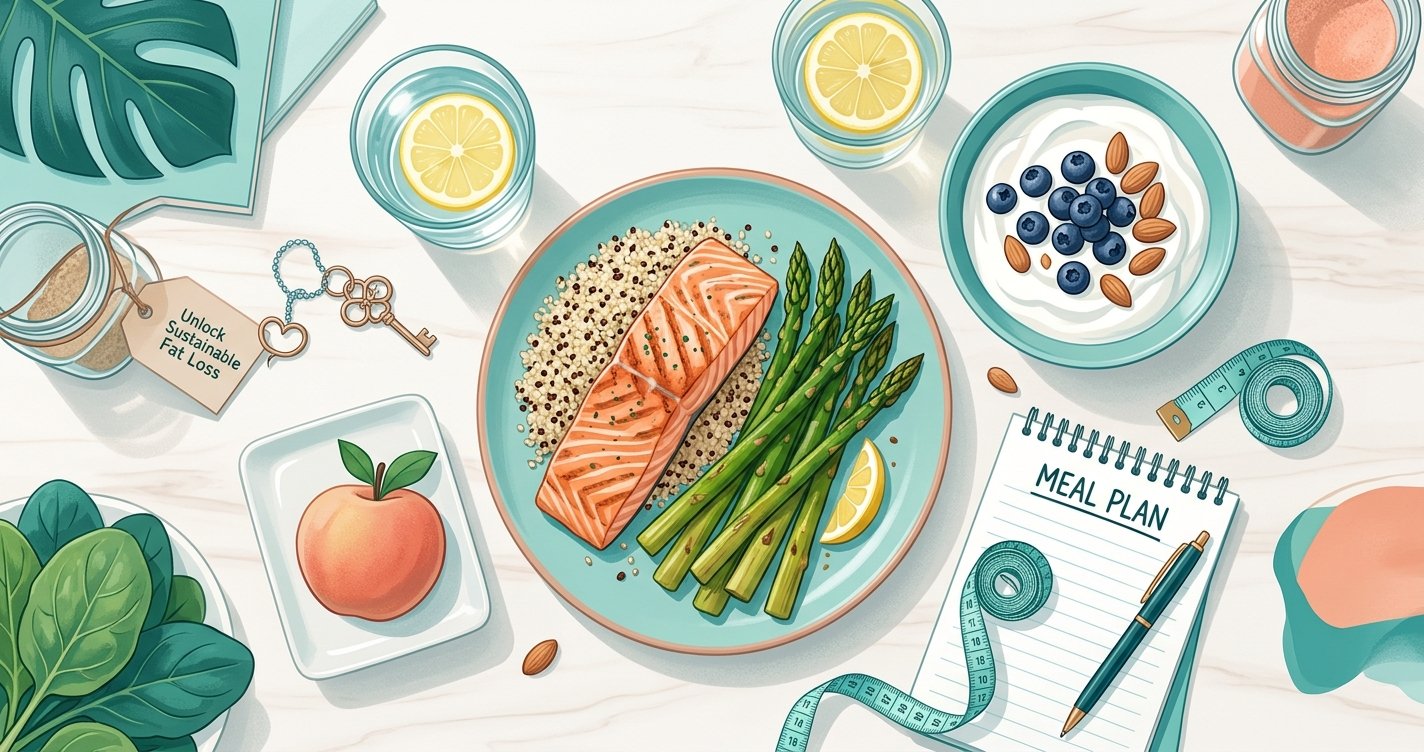
Unlock Sustainable Fat Loss: The Ultimate Guide to Protein and Calorie Deficit
Are you tired of quick-fix diets that promise the moon but leave you feeling frustrated and right back where you started? It’s time to ditch the fads and embrace a scientifically-backed, sustainable approach to fat loss. While countless strategies exist, two foundational pillars consistently rise to the top for their effectiveness and long-term success: creating a calorie deficit and prioritizing protein intake. These aren't just buzzwords; they are the bedrock upon which genuine, lasting fat loss is built.
In this comprehensive guide, we're going to dive deep into why these two principles are non-negotiable for your fat loss journey. We’ll break down the science, provide practical strategies, and equip you with the knowledge to make informed choices that will transform your body and your relationship with food. Get ready to build a healthier, stronger you! this excellent wellness product
Understanding the Core: What is a Calorie Deficit?
Let's start with the absolute basics. Fat loss, at its core, is a matter of energy balance. Your body needs a certain amount of energy (measured in calories) to perform all its daily functions – from breathing and thinking to exercising and digesting food. This is your Total Daily Energy Expenditure (TDEE).
A calorie deficit means you are consistently consuming fewer calories than your body expends. When this happens, your body has to tap into its stored energy reserves, primarily body fat, to make up the difference. It’s simple physics: energy in vs. energy out.
Why a Calorie Deficit is Non-Negotiable for Fat Loss
- The Scientific Foundation: Every reputable fat loss program, regardless of its specific dietary approach (Keto, Paleo, Mediterranean, etc.), achieves results by creating a calorie deficit. While different diets may make it easier or harder to achieve this deficit, the deficit itself is the mechanism for fat loss.
- No Magic Pills: There are no shortcuts or magic foods that allow you to lose fat without addressing your overall calorie intake. Understanding this fundamental principle empowers you to make realistic and effective choices.
- Sustainable Progress: A well-managed calorie deficit allows for steady, predictable fat loss, typically 1-2 pounds per week, which is considered healthy and sustainable.
How to Calculate Your Calorie Deficit:
First, estimate your TDEE using an online calculator (there are many free ones available). These calculators consider factors like your age, sex, weight, height, and activity level. Once you have your estimated TDEE, subtract 300-500 calories to create a moderate deficit. For example, if your TDEE is 2500 calories, aiming for 2000-2200 calories per day would be a good starting point for fat loss.
Remember, these are estimates. Listen to your body, track your progress, and adjust as needed. The goal is a deficit that you can comfortably maintain over time.
The Mighty Macronutrient: Why Protein is Your Fat Loss MVP
While a calorie deficit is essential, how you achieve that deficit profoundly impacts your results. This is where protein steps in as your most valuable player (MVP) for sustainable fat loss.
The Power of Protein for Fat Loss:
- Satiety and Hunger Control: Protein is incredibly satiating, meaning it helps you feel fuller for longer. Including adequate protein in your meals can significantly reduce cravings and prevent overeating, making it easier to stick to your calorie goals. Research consistently shows higher protein diets lead to greater feelings of fullness compared to lower protein diets.
- Muscle Preservation: When you're in a calorie deficit, your body can break down both fat and muscle for energy. Protein is crucial for preserving your precious muscle mass. Muscle is metabolically active, meaning it burns more calories at rest than fat does. Maintaining muscle mass helps keep your metabolism humming, even while you’re losing fat.
- Thermic Effect of Food (TEF): Protein has the highest TEF of all macronutrients. This means your body expends more energy (burns more calories) digesting and metabolizing protein compared to carbohydrates or fats. While not a massive calorie burner, every little bit helps in a deficit!
- Repair and Recovery: For those incorporating exercise (especially strength training) into their fat loss journey, protein is vital for muscle repair and recovery, ensuring you're ready for your next workout.
How Much Protein Do You Need?
For fat loss, a general recommendation is to aim for 0.7-1 gram of protein per pound of your target body weight (or lean body mass). For example, if you weigh 180 lbs and your goal is to be 150 lbs, you might aim for 105-150 grams of protein per day. Distributing this protein evenly throughout your meals is often more effective than consuming it all in one sitting.
Practical Strategies for Hitting Your Protein Goals
Knowing you need protein is one thing; consistently consuming enough is another. Here are some actionable tips:
- Prioritize Protein at Every Meal: Make protein the centerpiece of your breakfast, lunch, and dinner. Think eggs, Greek yogurt, chicken breast, fish, lean beef, tofu, lentils, or cottage cheese.
- Smart Snacking: Opt for protein-rich snacks like hard-boiled eggs, a handful of almonds, a protein shake, or cheese sticks instead of sugary treats.
- Lean Protein Sources: Focus on lean meats, poultry, fish, eggs, low-fat dairy, and plant-based proteins like beans, lentils, and tempeh.
- Supplements (Optional but Helpful): If you struggle to meet your protein needs through whole foods alone, a high-quality whey, casein, or plant-based protein powder can be a convenient addition.
- Meal Prep: Cook larger batches of protein sources like grilled chicken or ground turkey at the beginning of the week to make quick, protein-packed meals easy to assemble.
Crafting Your Sustainable Calorie Deficit and Meal Plan
Combining the calorie deficit with high protein intake is where the magic happens. Here’s how to put it all together:
- Don't Go Too Low: A severe calorie deficit might lead to faster initial weight loss, but it's often unsustainable, leads to nutrient deficiencies, muscle loss, and can negatively impact your metabolism in the long run. Aim for a moderate deficit (300-500 calories below TDEE).
- Focus on Nutrient Density: Within your calorie deficit, prioritize whole, unprocessed foods. These include plenty of vegetables, fruits, lean proteins, and healthy fats. They provide essential vitamins, minerals, and fiber, keeping you nourished and satisfied.
- Track, Don't Obsess: For a period, tracking your calorie and protein intake using an app can be incredibly insightful. It helps you understand portion sizes and where your calories are coming from. However, it's not meant to be a lifelong commitment. Eventually, you can learn to eat intuitively while maintaining awareness.
- Hydration is Key: Often overlooked, adequate water intake is crucial. Sometimes, thirst is mistaken for hunger, leading to unnecessary snacking. Plus, water plays a vital role in metabolic processes.
- Allow for Flexibility: Life happens! Don't aim for perfection, aim for consistency. A flexible approach that allows for occasional treats or social eating is far more sustainable than a rigid, restrictive diet.
Beyond Calories and Protein: Other Pillars of Success
While protein and a calorie deficit are paramount, remember that holistic health supports your fat loss journey:
- Strength Training: Incorporating resistance exercise helps build and preserve muscle, which is vital for a healthy metabolism and body composition.
- Adequate Sleep: Poor sleep can disrupt hunger hormones (ghrelin and leptin), leading to increased cravings and reduced fat loss. Aim for 7-9 hours per night.
- Stress Management: Chronic stress can elevate cortisol levels, potentially hindering fat loss and increasing fat storage, particularly around the midsection. Find healthy ways to manage stress.
- Fiber Intake: Foods high in fiber (fruits, vegetables, whole grains) contribute to satiety, aid digestion, and are generally nutrient-dense, supporting your calorie deficit efforts.
Troubleshooting Common Fat Loss Plateaus
It's normal for fat loss to slow down or stall at some point. Here's what to do:
- Re-evaluate Your Intake: Are you truly in a deficit? Sometimes, portion sizes creep up, or hidden calories are overlooked. Re-track for a few days.
- Increase Activity (NEAT): Non-Exercise Activity Thermogenesis (NEAT) – things like walking more, taking the stairs, fidgeting – can significantly contribute to your daily calorie expenditure.
- Patience and Consistency: Sometimes, the body just needs time to catch up. Don't give up; stay consistent, and often, progress will resume.
- Consider a Diet Break: For longer fat loss phases, a brief period (1-2 weeks) at maintenance calories can help reset hormones and make the return to a deficit more effective.
Conclusion: Your Path to Sustainable Fat Loss Starts Now
Fat loss doesn't have to be complicated or miserable. By focusing on the powerful duo of a calorie deficit and adequate protein intake, you're not just losing weight; you're building a healthier, more resilient body and fostering sustainable habits. This evidence-based approach empowers you to make informed decisions, control your hunger, preserve muscle, and ultimately achieve the lasting results you desire.
Remember, consistency trumps perfection. Start small, be patient with yourself, and celebrate every victory along the way. Your journey to sustainable fat loss is within reach, and with these foundational principles, you're well-equipped for success. What small change will you make today to kickstart your progress?