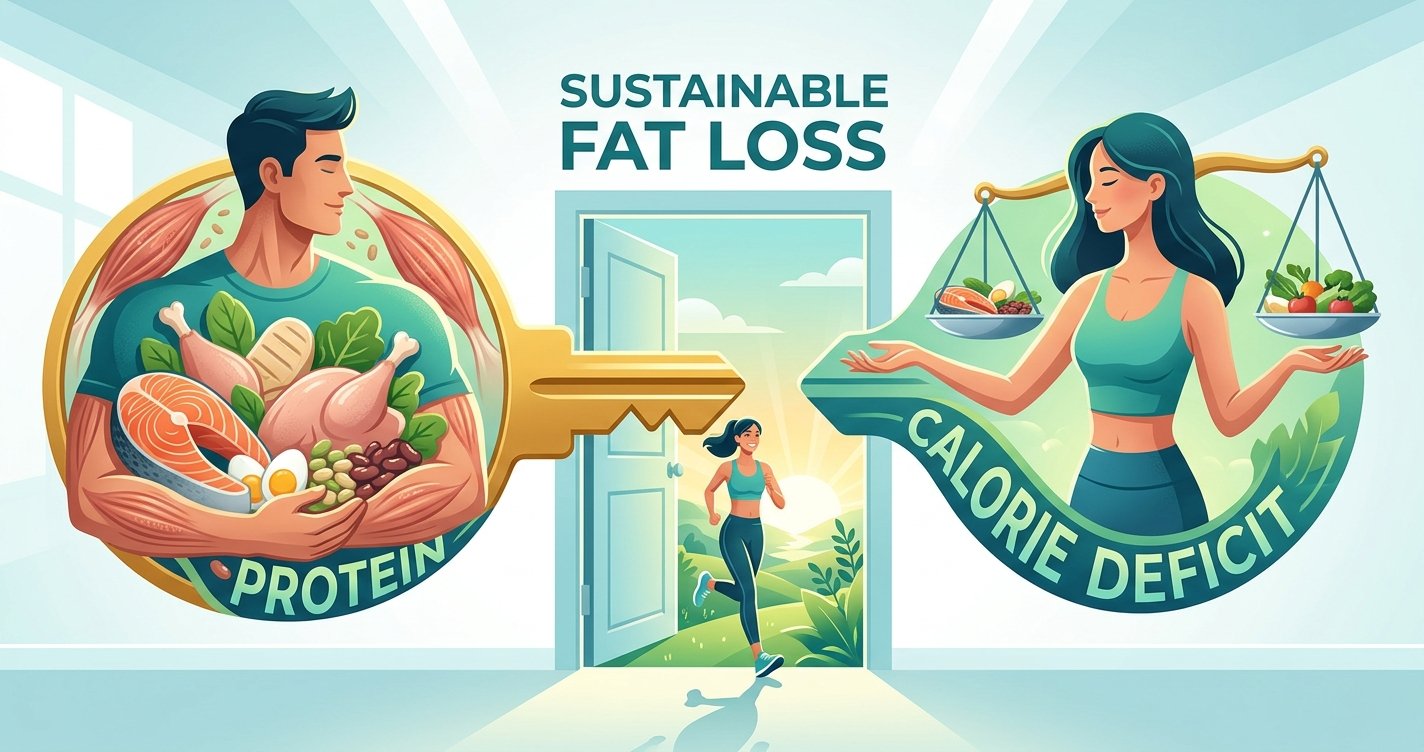
Are you tired of chasing quick fixes and seeing the scale yo-yo? When it comes to sustainable fat loss, the internet is flooded with conflicting advice, making it hard to know where to start. But what if we told you there are two fundamental, science-backed pillars that can transform your journey? We're talking about the dynamic duo: a smart calorie deficit and the powerful impact of protein. Forget restrictive diets and endless cardio – let's dive into an evidence-based approach that’s friendly, effective, and built for lasting results.
This isn't about deprivation; it's about empowerment. By understanding how to strategically fuel your body and create the right energy balance, you can melt away fat while preserving precious muscle, feeling full, and boosting your metabolism. Ready to uncover the secrets to a leaner, healthier you? Let's get started! this excellent wellness product
Understanding the Calorie Deficit: The Golden Rule of Fat Loss
Let's cut straight to the chase: to lose fat, you must consume fewer calories than your body burns. This is known as a calorie deficit, and it's the undisputed scientific principle behind all fat loss. Think of your body like a car and calories as its fuel. If you put less fuel in than the car uses, it eventually taps into its reserves – in our case, stored body fat.
It sounds simple, right? And it is, fundamentally. However, the key to sustainable fat loss lies in creating a moderate deficit. A common recommendation is to aim for a deficit of 300-500 calories per day below your Total Daily Energy Expenditure (TDEE). This allows for steady fat loss (typically 1-2 pounds per week) without feeling overly deprived or triggering extreme hunger and metabolic slowdowns.
How to Estimate Your Calorie Needs:
- Use an online TDEE calculator: These tools take into account your age, sex, weight, height, and activity level to estimate how many calories you burn daily.
- Track for a few days: For a more personalized approach, track your current food intake for 3-5 days without changing anything, and see if your weight is stable. This gives you a baseline.
- Subtract: Once you have your TDEE, subtract 300-500 calories to find your target intake for fat loss.
Remember, consistency is far more important than perfection. Don't stress over every single calorie; focus on the overall trend and making informed choices.
Protein: Your Secret Weapon for Sustainable Fat Loss
While a calorie deficit is non-negotiable, protein is the rockstar macronutrient that makes that deficit feel achievable and effective. Often underestimated, protein plays several critical roles that directly support your fat loss goals:
1. Supercharge Satiety (Feel Fuller, Longer)
Protein is incredibly satiating. Consuming adequate protein helps you feel fuller and more satisfied after meals, reducing the urge to snack unnecessarily and making it easier to stick to your calorie goals. Imagine the difference between a sugary pastry and a Greek yogurt with berries – the latter keeps you satisfied for hours!
2. Preserve Precious Muscle Mass
When you're in a calorie deficit, your body can sometimes break down muscle tissue for energy, especially if protein intake is low. This is counterproductive! Muscle is metabolically active, meaning it burns more calories at rest than fat. High protein intake, especially when combined with strength training, signals your body to hold onto that valuable muscle, ensuring that the weight you lose is primarily fat.
3. Boost Your Metabolism (Thermic Effect of Food)
Did you know your body expends energy just to digest and process the food you eat? This is called the Thermic Effect of Food (TEF). Protein has the highest TEF of all macronutrients, meaning you burn more calories digesting protein compared to carbs or fats. It's a small but significant metabolic advantage!
How Much Protein Do You Need?
For fat loss, current research suggests aiming for a higher protein intake than the standard recommendations. A good target is 1.6 to 2.2 grams of protein per kilogram of body weight (or 0.7 to 1 gram per pound of target body weight). For example, a 150-pound individual might aim for 105-150 grams of protein per day.
Excellent Sources of Lean Protein:
- Lean meats (chicken breast, turkey, lean beef)
- Fish and seafood (salmon, cod, shrimp)
- Eggs
- Dairy (Greek yogurt, cottage cheese, milk)
- Legumes (lentils, beans, chickpeas)
- Tofu and tempeh
- Protein powders (whey, casein, plant-based)
The Synergy: How Protein and a Calorie Deficit Work Together
Individually, a calorie deficit and high protein intake are powerful. But together, they create an unstoppable force for sustainable fat loss. The calorie deficit creates the energy gap needed to tap into fat stores, while protein ensures that this process is efficient, preserving muscle, keeping you full, and even giving your metabolism a slight edge.
Imagine trying to lose fat on a low-protein, calorie-restricted diet. You'd likely feel constantly hungry, tired, and risk losing muscle along with fat, leading to a "skinny fat" physique and a slower metabolism in the long run. By prioritizing protein within your calorie deficit, you optimize your body composition, maintain energy levels, and make the entire process much more enjoyable and sustainable.
Beyond Calories and Protein: Holistic Pillars for Lasting Success
While our dynamic duo is central, true sustainable fat loss integrates other vital lifestyle factors. Think of these as the supporting cast that ensures the main stars shine even brighter:
1. Fiber & Whole Foods: Your Digestive Allies
Just like protein, fiber (found in fruits, vegetables, and whole grains) contributes significantly to satiety and digestive health. Whole, unprocessed foods are generally more nutrient-dense and satisfying than their refined counterparts, making it easier to stay within your calorie goals.
2. Hydration: Simple Yet Powerful
Often mistaken for hunger, thirst can lead to unnecessary snacking. Drinking plenty of water throughout the day keeps you hydrated, can boost metabolism, and helps your body function optimally. Aim for 8-10 glasses daily.
3. Quality Sleep: The Unsung Hero
Lack of sleep messes with your hunger hormones (ghrelin and leptin), making you hungrier and more prone to cravings for unhealthy foods. Prioritizing 7-9 hours of quality sleep each night is non-negotiable for effective fat loss and overall well-being.
4. Stress Management: Taming the Cortisol Beast
Chronic stress elevates cortisol levels, which can promote fat storage, especially around the midsection, and increase cravings. Incorporate stress-reducing activities like meditation, yoga, spending time in nature, or hobbies you enjoy.
5. Mindful Eating: Connecting with Your Body
Slow down, savor your food, and pay attention to your body's hunger and fullness cues. Mindful eating helps prevent overeating and fosters a healthier relationship with food, moving away from restrictive mindsets.
Practical Tips for Integrating Protein and a Calorie Deficit
Knowledge is power, but application is key! Here are actionable strategies to incorporate these principles into your daily life:
- Plan Ahead: Meal prepping or having a general idea of your meals and snacks helps you hit your protein targets and stay within your calorie range.
- Prioritize Protein at Every Meal: Aim for a good source of protein in breakfast, lunch, and dinner. For example, eggs for breakfast, chicken salad for lunch, and fish with veggies for dinner.
- Smart Snacking: If you need snacks, make them protein-rich. Greek yogurt, cottage cheese, a handful of almonds, or a protein shake are excellent choices.
- Track for Awareness (Not Obsession): Using a food tracking app for a few weeks can be incredibly insightful for understanding your typical calorie and protein intake. It's a tool for learning, not a life sentence.
- Cook at Home More Often: This gives you control over ingredients, portion sizes, and cooking methods, making it easier to manage calories and protein.
- Hydrate Before Meals: Drinking a glass of water before eating can help you feel fuller and potentially eat less.
- Lift Weights: Incorporate strength training 2-4 times a week to build and preserve muscle, which boosts your metabolism and improves body composition.
Overcoming Common Challenges and Staying Motivated
Your fat loss journey won't always be a straight line, and that's perfectly normal! Here's how to navigate common hurdles:
- The Dreaded Plateau: If weight loss stalls for 2-3 weeks, reassess your calorie intake (are you still in a deficit?), increase your activity, or slightly reduce calories by another 100-200 for a short period.
- Social Situations: Don't let social events derail you. Plan ahead: eat a protein-rich snack before you go, choose lighter options, and enjoy in moderation. Remember, one meal won't undo weeks of effort.
- Cravings: Acknowledge them, but don't immediately give in. Sometimes cravings are due to thirst or boredom. Try a glass of water, a walk, or a healthy distraction. If you do indulge, do so mindfully and in a small portion.
- Focus on Non-Scale Victories: The scale is just one metric. Celebrate increased energy, better sleep, clothes fitting differently, improved strength, and a healthier mindset. These are powerful indicators of progress!
- Be Patient and Kind to Yourself: Fat loss is a journey, not a race. There will be good days and challenging days. Learn from setbacks, forgive yourself, and get back on track. Consistency, not perfection, is the ultimate key.
Your Path to Sustainable Fat Loss Starts Now
Achieving sustainable fat loss doesn't have to be complicated or miserable. By embracing the powerful combination of a strategic calorie deficit and a high-protein diet, you're not just losing weight; you're building a healthier, stronger, and more energetic you. These evidence-backed principles, supported by good sleep, hydration, stress management, and whole foods, create a holistic approach that's designed for long-term success.
Remember, this is your journey. Empower yourself with knowledge, be consistent with your efforts, and celebrate every step of progress. You have the tools; now it's time to put them into action. Start today, make small, consistent changes, and watch as you transform not just your body, but your entire lifestyle. You've got this!