Unlock Sustainable Fat Loss: Master the Power of Protein and a Smart Calorie Deficit
Are you tired of quick-fix diets that promise the world but deliver only frustration? Do you long for a fat loss approach that actually works, feels sustainable, and helps you keep the weight off for good? You're in the right place! Sustainable fat loss isn't about deprivation; it's about smart strategy. Today, we're diving deep into two non-negotiable pillars of lasting fat loss: creating a strategic calorie deficit and harnessing the incredible power of protein. Get ready to transform your understanding and achieve real, lasting results – no fads, just facts!
Understanding the Calorie Deficit: Your Foundation for Fat Loss
Let's cut to the chase: to lose fat, you must consume fewer calories than your body burns. This is the fundamental principle of energy balance, known as a calorie deficit. Think of your body as a car; if you want it to use its stored fuel (fat), you need to provide slightly less new fuel (food calories) than it needs to operate. It’s simple physics, but often misunderstood. this excellent wellness product
Creating a calorie deficit doesn't mean starving yourself. In fact, drastic calorie cuts are counterproductive, often leading to nutrient deficiencies, muscle loss, and a rebound effect. A sustainable deficit is typically modest – aiming for 300-500 calories less than your daily maintenance needs. This allows for steady, healthy fat loss (around 1-2 pounds per week) without feeling overly deprived or disrupting your metabolism. You can estimate your maintenance calories using online calculators, but remember, these are just starting points; listening to your body and tracking progress are key.
The Powerhouse Macro: Why Protein is Your Best Friend for Fat Loss
While a calorie deficit is the foundation, protein is the secret weapon that makes that foundation strong and sustainable. Often hailed as the king of macronutrients for fat loss, protein offers a multitude of benefits that directly support your goals. It’s not just for bodybuilders – it’s for anyone serious about shedding fat and maintaining a healthy body.
Protein's Triple Threat for Fat Loss:
- Satiety Superstar: Protein is incredibly filling. Compared to carbohydrates and fats, it keeps you feeling fuller for longer, significantly reducing cravings and the urge to snack unnecessarily. This is crucial when you're in a calorie deficit, as it helps prevent hunger from derailing your efforts.
- Muscle Protector: When you lose weight, you want to lose fat, not muscle. Adequate protein intake is vital for preserving lean muscle mass, especially when you're in a calorie deficit. Muscle is metabolically active, meaning it burns more calories at rest than fat does. Protecting your muscle helps maintain a higher metabolism, making fat loss easier and preventing weight regain.
- Thermic Effect of Food (TEF): Protein has a higher TEF than other macronutrients. This means your body expends more energy (burns more calories) digesting and metabolizing protein than it does for carbs or fats. It's like a small, built-in metabolism booster with every protein-rich meal!
Beyond the Basics: Blood Sugar Stability and Repair
Protein also plays a crucial role in stabilizing blood sugar levels, preventing the spikes and crashes that can lead to energy slumps and increased hunger. Furthermore, it's essential for repairing tissues, supporting immune function, and producing hormones and enzymes – all vital for overall health and well-being during your fat loss journey.
Practical Strategies: How to Maximize Your Protein Intake
Now that you know why protein is so powerful, let's talk about how to incorporate more of it effectively into your daily routine. The good news is, it's often simpler than you think!
How Much Protein Do You Really Need?
For fat loss and muscle preservation, current evidence suggests aiming for a higher protein intake than the standard recommendations. A good target for most active individuals looking to lose fat is around 1.6 to 2.2 grams of protein per kilogram of body weight (or roughly 0.7 to 1 gram per pound of body weight). Distributing this protein evenly across your meals (e.g., 20-40 grams per meal) can optimize muscle protein synthesis and satiety throughout the day.
Smart Protein Sources for Every Meal:
- Lean Meats: Chicken breast, turkey, lean beef, pork loin.
- Fish & Seafood: Salmon, tuna, cod, shrimp (rich in omega-3s too!).
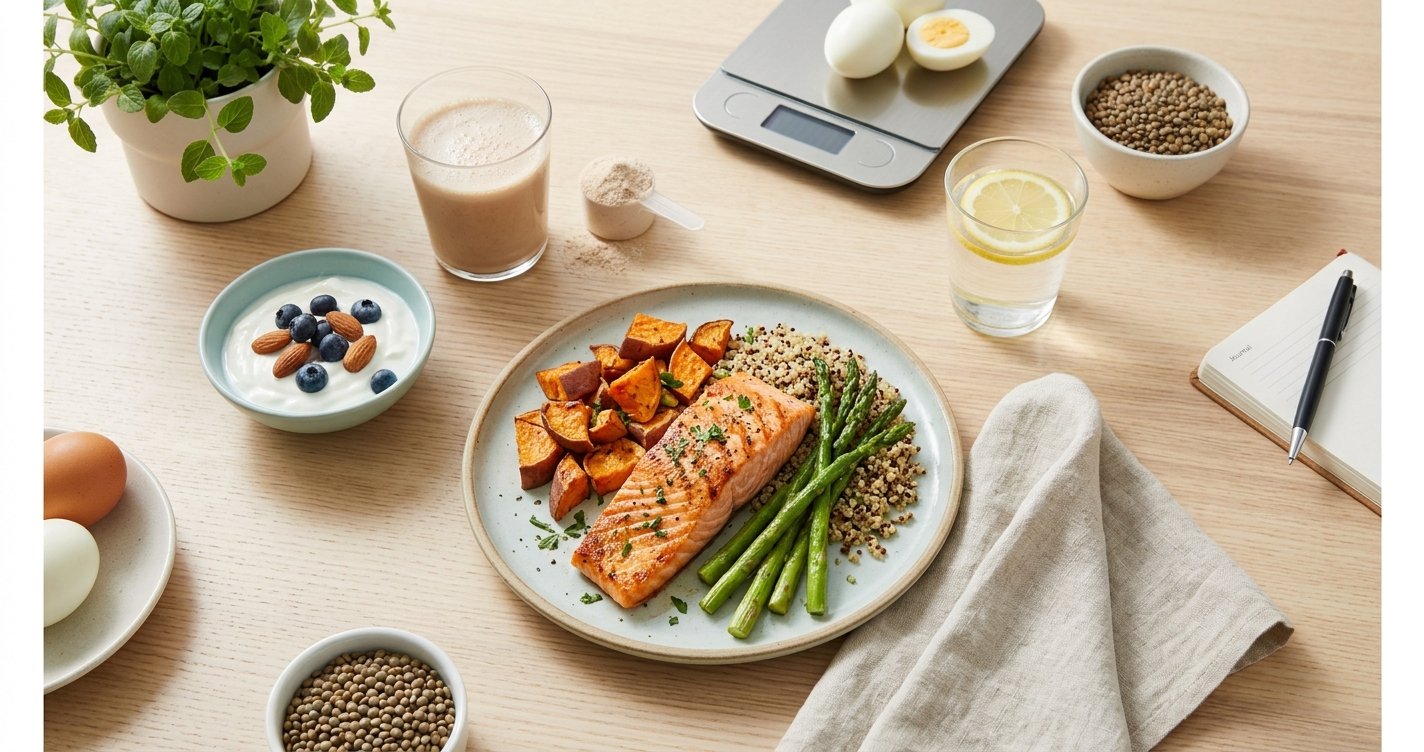
- Eggs: A complete protein, versatile, and affordable.
- Dairy: Greek yogurt, cottage cheese, milk, whey protein powder (excellent for snacks or post-workout).
- Legumes & Lentils: Chickpeas, black beans, lentils (plant-based powerhouses).
- Tofu & Tempeh: Fantastic plant-based protein options.
- Nuts & Seeds: Almonds, chia seeds, flax seeds (in moderation due to higher calorie content).
Make protein a priority at every meal. Start your day with eggs or Greek yogurt, add chicken or fish to your lunch, and make a lean protein the star of your dinner. Protein-rich snacks like cottage cheese or a handful of almonds can bridge the gap between meals.
Beyond the Numbers: The Holistic Elements of Sustainable Fat Loss
While a calorie deficit and ample protein are foundational, true sustainable fat loss thrives when you adopt a holistic approach. These elements complement your core strategy, making the journey smoother and more effective:
- Fiber & Healthy Fats: Don't forget these! Fiber (from fruits, vegetables, whole grains) adds bulk, further enhancing satiety and aiding digestion. Healthy fats (avocado, olive oil, nuts) are crucial for hormone production and overall health, and they also contribute to feeling satisfied.
- Hydration: Water is often overlooked but vital. Sometimes thirst is mistaken for hunger. Staying well-hydrated supports metabolism, helps with satiety, and keeps your body functioning optimally. Aim for at least 8 glasses a day.
- Sleep & Stress Management: Poor sleep and high stress wreak havoc on your hormones, particularly ghrelin (hunger hormone), leptin (satiety hormone), and cortisol (stress hormone). Prioritize 7-9 hours of quality sleep and find healthy ways to manage stress to prevent hormonal imbalances that can drive cravings and fat storage.
- Strength Training: While not a food strategy, incorporating resistance training is incredibly synergistic with protein intake for fat loss. It helps you build and retain muscle, which is key for maintaining a high metabolism and achieving a toned physique.
Building a Sustainable Lifestyle: Consistency Over Perfection
Sustainable fat loss isn't a race; it's a marathon. The most effective approach is one you can stick with long-term. This means focusing on consistency rather than striving for unattainable perfection.
Embrace small, incremental changes. Instead of overhauling your entire diet overnight, try adding a protein source to every meal for a week. Then, focus on increasing your vegetable intake. These small victories build momentum and confidence. Understand that plateaus will happen, and occasional indulgences are part of a balanced life. Don't let a minor slip-up derail your entire journey. Get back on track with your next meal, and keep moving forward.
Listen to your body, celebrate your progress, and be patient. True transformation takes time, but the rewards – improved health, increased energy, and lasting confidence – are well worth the effort.
Common Pitfalls to Avoid on Your Fat Loss Journey
Even with the best intentions, it's easy to fall into common traps. Being aware of these can help you navigate your journey more successfully:
- Extremely Restrictive Diets: While a calorie deficit is necessary, extreme restriction is unsustainable and often leads to rebound weight gain.
- Ignoring Hunger Cues: Learning to differentiate between true hunger and emotional eating is crucial. Don't starve yourself; fuel your body wisely.
- Over-Reliance on Supplements: Supplements can support, but they cannot replace, a solid foundation of whole foods, adequate protein, and a calorie deficit.
- Neglecting Strength Training: Focusing solely on cardio can lead to muscle loss during a deficit, slowing your metabolism.
- Expecting Instant Results: Fat loss is a gradual process. Celebrate small victories and focus on consistent effort, not just the number on the scale.
Conclusion: Your Path to Lasting Fat Loss Starts Now
Achieving sustainable fat loss doesn't have to be complicated or overwhelming. By understanding and consistently applying the principles of a smart calorie deficit and prioritizing adequate protein intake, you're building a robust foundation for success. Combine this with a holistic approach that includes fiber, healthy fats, hydration, quality sleep, and stress management, and you'll not only shed unwanted fat but also cultivate a healthier, more energetic you.
Remember, this is your journey. Be kind to yourself, stay consistent, and trust the process. You have the power to create lasting change, one smart meal and one healthy habit at a time. Here’s to a stronger, healthier, and happier you!