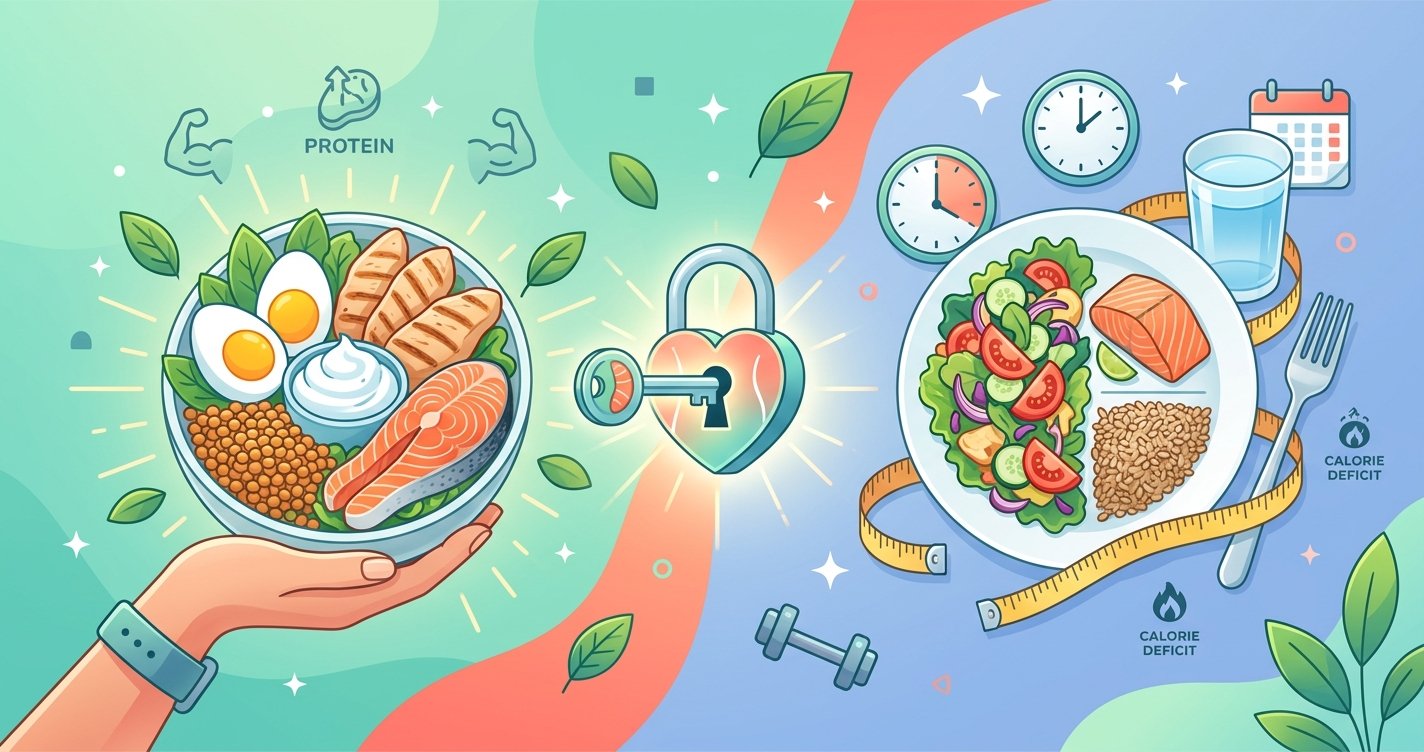
Embarking on a fat loss journey can feel overwhelming, with countless diets, fads, and conflicting advice flooding our feeds. It's easy to get lost in the noise and feel frustrated when efforts don't yield lasting results. But what if we told you that sustainable, effective fat loss doesn't require extreme measures or giving up all your favorite foods? It boils down to understanding two fundamental, evidence-based principles: creating a calorie deficit and harnessing the incredible power of protein. These aren't 'tricks' but rather the cornerstones of any successful and healthy fat loss plan. Let's dive in and demystify how you can achieve your goals with a friendly, science-backed approach.
Understanding the Calorie Deficit: Your Fat Loss Foundation
At its core, fat loss is a simple equation: you need to consume fewer calories than your body burns. This state is known as a 'calorie deficit,' and it's the non-negotiable principle for losing body fat. Think of your body as a car; if you put less fuel in than it uses, its fuel reserves (stored fat) will decrease. While many factors influence metabolism, hormones, and overall health, the calorie deficit remains the primary driver for fat loss. this excellent wellness product
This doesn't mean starvation or extreme restriction. A sustainable calorie deficit is one that allows you to lose fat gradually (typically 1-2 pounds per week) without feeling deprived, overly hungry, or drained of energy. Rapid weight loss often comes at the cost of muscle mass and can be difficult to maintain, leading to the dreaded 'yo-yo effect.'
How to Create a Sustainable Calorie Deficit
- Estimate Your Daily Calorie Needs: Tools like online TDEE (Total Daily Energy Expenditure) calculators can give you a starting point. These estimate how many calories your body burns daily based on your age, sex, weight, height, and activity level.
- Implement a Gentle Reduction: Once you have your estimated TDEE, aim to consume 300-500 fewer calories per day. This creates a manageable deficit that is typically effective for sustainable fat loss. For example, if your TDEE is 2500 calories, aim for 2000-2200 calories daily.
- Listen to Your Body: The initial estimate is just that – an estimate. Pay attention to your hunger levels, energy, and how your clothes fit. Adjust your intake slightly as needed.
The Mighty Macro: Why Protein is Your Best Friend for Fat Loss
While a calorie deficit sets the stage, protein is the star player in your fat loss journey. Often overlooked in favor of calorie counting alone, adequate protein intake offers a multitude of benefits that make fat loss easier, more effective, and more sustainable.
Three Key Roles of Protein in Fat Loss:
- Boosts Satiety (Keeps You Full): Protein is the most satiating macronutrient. Eating enough protein helps you feel fuller for longer, reducing cravings and preventing overeating. This makes adhering to your calorie deficit much easier.
- Increases Thermic Effect of Food (TEF): Your body expends energy to digest, absorb, and metabolize food. This is known as the Thermic Effect of Food (TEF). Protein has a significantly higher TEF than carbohydrates or fats, meaning you burn more calories simply by digesting protein-rich meals.
- Preserves Muscle Mass: When you're in a calorie deficit, your body can break down not only fat but also muscle for energy. Muscle is metabolically active tissue, meaning it burns more calories at rest than fat. Consuming sufficient protein, especially when combined with strength training, helps signal your body to hold onto precious muscle while primarily burning fat. This ensures that the weight you lose is fat, not muscle, maintaining a healthier metabolism and body composition.
Practical Tips for Increasing Protein Intake:
- Prioritize Protein at Every Meal: Aim for 20-40 grams of protein per meal.
- Smart Snacking: Opt for protein-rich snacks like Greek yogurt, cottage cheese, hard-boiled eggs, a handful of nuts, or a protein shake.
- Lean Protein Sources: Include chicken breast, turkey, fish, lean beef, eggs, dairy products, lentils, beans, tofu, and tempeh in your diet.
- Protein Supplements: If meeting your protein goals through whole foods is challenging, a high-quality whey, casein, or plant-based protein powder can be a convenient addition.
Beyond Calories and Protein: The Importance of Whole Foods
While focusing on a calorie deficit and protein is crucial, the quality of your calories also matters immensely. Eating a diet rich in whole, unprocessed foods will provide essential micronutrients, fiber, and overall health benefits that support your fat loss journey and well-being.
- Fiber's Role: Foods high in fiber (fruits, vegetables, whole grains, legumes) add bulk to your meals, promoting satiety and aiding digestion. They also contribute to a healthy gut microbiome, which can indirectly influence weight management.
- Micronutrients for Energy: Vitamins and minerals found in whole foods are vital for energy production, hormone regulation, and countless bodily functions. Feeling energized and healthy makes sticking to your plan much easier.
- Hydration: Don't forget water! Staying well-hydrated is essential for metabolism, can help manage hunger, and supports overall bodily functions. Sometimes, what feels like hunger is actually thirst.
Practical Strategies for Sustainable Success
Knowing the science is one thing; putting it into practice consistently is another. Here are some strategies to help you integrate these principles into your daily life for lasting results:
Tools for Your Journey:
- Meal Planning & Prep: Spend some time each week planning your meals and snacks. Preparing some foods in advance can save time and prevent impulsive, less healthy choices when hunger strikes.
- Mindful Eating: Pay attention to your food, eat slowly, and savor each bite. This helps you recognize your body's hunger and fullness cues, preventing overeating.
- Smart Tracking (if helpful): For some, tracking calories and macros for a period can be incredibly insightful, helping to understand portion sizes and the nutritional content of foods. It's a tool, not a life sentence – use it to learn, then transition to more intuitive eating.
- Patience and Consistency: Fat loss is a marathon, not a sprint. There will be days when you feel discouraged or slip up. The key is consistency over time and not letting small setbacks derail your entire journey. Celebrate small victories and focus on progress, not perfection.
Busting Common Fat Loss Myths: What NOT to Believe
To ensure your journey is effective and frustration-free, it's important to differentiate fact from fiction. Here are a few common myths to be wary of:
- Quick Fixes & Magic Pills: If it sounds too good to be true, it probably is. Sustainable fat loss requires consistent effort, not a miracle product.
- Spot Reduction: You cannot target fat loss from specific body parts (e.g., doing crunches to lose belly fat). Your body decides where to lose fat from first.
- Extreme Restriction is Faster: While initially tempting, severely restricting calories often leads to muscle loss, nutrient deficiencies, rebound weight gain, and an unhealthy relationship with food.
Your Journey Starts Now: Embrace the Process
Achieving sustainable fat loss isn't about deprivation; it's about empowerment through knowledge and making informed choices that nourish your body and support your goals. By focusing on a moderate calorie deficit and prioritizing protein intake, you're not just losing weight – you're building a stronger, healthier you, one delicious and satisfying meal at a time. Be kind to yourself, stay consistent, and remember that every small step forward is progress. You've got this!