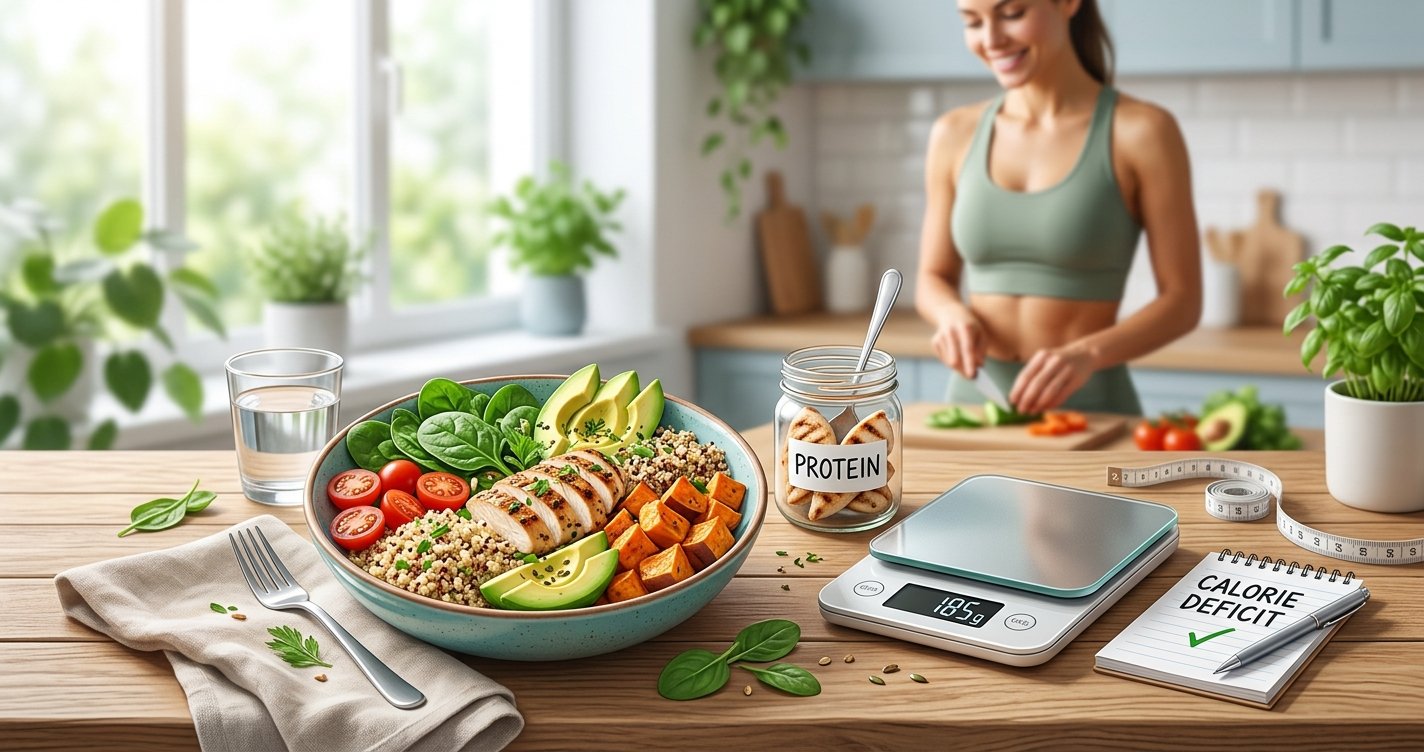
Tired of quick fixes, restrictive diets, and the frustrating cycle of losing weight only to gain it back? You're not alone. Many people fall into the trap of believing extreme measures are the only way to achieve their fat loss goals. But what if we told you that sustainable, healthy fat loss doesn't require deprivation, but rather smart, evidence-based nutrition strategies? It's about understanding your body and fueling it intelligently.
Today, we're going to dive deep into two fundamental, yet often misunderstood, pillars of effective and lasting fat loss: creating a moderate calorie deficit and prioritizing adequate protein intake. These aren't just buzzwords; they are the bedrock upon which successful and healthy body recomposition is built. Get ready to unlock the secrets to a more sustainable, enjoyable, and effective journey towards your best self. this excellent wellness product
Understanding the Calorie Deficit: Your Foundation for Fat Loss
Let's start with the absolute non-negotiable truth about fat loss: you must consume fewer calories than your body expends. This is known as a calorie deficit. Think of your body like a car. If you put less fuel in than it burns, it has to tap into its reserves – in our case, stored body fat – to get the energy it needs to function.
It sounds simple, and in principle, it is. However, the 'how' often gets complicated. Your body burns calories just by existing (your Basal Metabolic Rate or BMR), plus additional calories through daily activities, exercise, and even digesting food. The sum of these is your Total Daily Energy Expenditure (TDEE).
To create a deficit, you need to eat less than your TDEE. For sustainable and healthy fat loss, a moderate deficit of 300-500 calories per day is generally recommended. This typically translates to a healthy weight loss of 1-2 pounds per week. You can estimate your TDEE using various online calculators, which take into account your age, sex, weight, height, and activity level. Remember, these are estimates, and you'll need to adjust based on your body's response.
Why avoid extreme deficits? While cutting calories drastically might lead to rapid initial weight loss, it's often unsustainable, can lead to nutrient deficiencies, muscle loss (which slows your metabolism!), and rebound weight gain. It also makes you feel miserable, hungry, and zaps your energy, leading to an unhealthy relationship with food. Sustainable fat loss is about working with your body, not against it.
The Protein Powerhouse: Why It's Your Best Friend for Fat Loss
Once you've grasped the concept of a calorie deficit, the next crucial step is to optimize your macronutrient intake, and protein stands head and shoulders above the rest when it comes to fat loss. It’s not just for bodybuilders; protein is a game-changer for anyone looking to shed body fat effectively and healthily.
Satiety & Appetite Control
One of protein's superpowers is its ability to keep you feeling full and satisfied for longer. Compared to carbohydrates and fats, protein has a higher satiety index. This means a protein-rich meal helps reduce hunger pangs and prevents overeating later in the day, making it much easier to stick to your calorie deficit without feeling constantly deprived.
Thermic Effect of Food (TEF)
Did you know your body burns calories just to digest food? This is known as the Thermic Effect of Food (TEF). Protein has the highest TEF of all macronutrients, meaning your body expends more energy breaking down and metabolizing protein than it does carbs or fats. While the difference isn't massive, it adds up over time and contributes to a slightly higher overall calorie expenditure.
Muscle Preservation
When you're in a calorie deficit, your body doesn't just burn fat; it can also start breaking down muscle tissue for energy. This is where protein becomes your shield. Adequate protein intake, especially when combined with strength training, signals to your body to preserve your precious lean muscle mass. Maintaining muscle is vital because muscle tissue is more metabolically active than fat tissue, meaning it burns more calories at rest. Protecting your muscle helps keep your metabolism humming, making long-term fat loss more achievable.
How Much Protein Do You Need?
For fat loss, general recommendations range from 1.6 to 2.2 grams of protein per kilogram of body weight (or 0.7 to 1 gram per pound of body weight). Spreading your protein intake throughout the day, aiming for 20-40 grams per meal, can optimize muscle protein synthesis and satiety.
Excellent Sources of Protein:
- Lean meats (chicken breast, turkey, lean beef)
- Fish and seafood (salmon, tuna, cod, shrimp)
- Eggs
- Dairy products (Greek yogurt, cottage cheese, milk)
- Legumes (lentils, beans, chickpeas)
- Tofu and tempeh
- Protein supplements (whey, casein, plant-based)
Make an effort to include a good source of protein in every single meal and snack. This simple habit can transform your fat loss journey.
Beyond Protein and Deficits: Other Key Nutritional Players
While a calorie deficit and ample protein are your primary focus, other nutritional components play supporting roles in optimizing your fat loss and overall health.
Fiber for Fullness and Gut Health
Just like protein, fiber contributes significantly to satiety, helping you feel fuller on fewer calories. Found in fruits, vegetables, whole grains, and legumes, fiber also promotes healthy digestion and supports a thriving gut microbiome, which is increasingly linked to metabolic health and weight management.
Healthy Fats for Hormones & Satiety
Don't fall into the trap of thinking all fats are bad. Healthy fats are essential for hormone production, nutrient absorption, and provide a sense of satisfaction in your meals. Include sources like avocados, nuts, seeds, olive oil, and fatty fish in moderation. They are calorie-dense, so portion control is key, but don't cut them out entirely.
Hydration
Often overlooked, sufficient water intake is crucial. Staying hydrated can help curb false hunger signals (sometimes we confuse thirst with hunger!), support metabolic processes, and aid in nutrient transport. Aim for at least 8 glasses of water a day, more if you're active.
Micronutrients
Focus on nutrient-dense, whole foods to ensure you're getting a wide array of vitamins and minerals. These micronutrients are vital for countless bodily functions, including energy production and metabolism. A diet rich in fruits, vegetables, and whole grains will naturally provide most of what you need.
Practical Strategies for Implementing Your Nutrition Plan
Knowing what to do is one thing; consistently doing it is another. Here are some practical tips to help you integrate these strategies into your daily life:
- Meal Planning and Preparation: Dedicate some time each week to plan your meals and prep ingredients. Having healthy options readily available dramatically increases your chances of sticking to your plan.
- Mindful Eating and Portion Control: Pay attention to your hunger and fullness cues. Eat slowly, savor your food, and avoid distractions. Use smaller plates to help manage portion sizes.
- Tracking (Initially): For some, tracking calories and macros for a few weeks can be incredibly insightful. It helps you understand the nutritional content of your food and how quickly calories add up. This isn't meant to be a lifelong commitment but a learning tool.
- Dealing with Cravings: Don't forbid foods, as this can lead to intense cravings and binge eating. Allow for occasional treats in moderation, fitting them into your calorie budget. Sometimes, a small amount of what you crave is enough to satisfy it.
- Consistency Over Perfection: You won't be perfect every day, and that's okay. One 'off' meal or day won't derail your progress. The key is consistency over the long term. Get back on track with your next meal.
The Long Game: Why Sustainability is Key
Fat loss is a journey, not a destination, and true success lies in building habits you can maintain for life. Crash diets and extreme restrictions are not only ineffective in the long run but can also damage your metabolism and foster an unhealthy relationship with food and your body.
Embrace the process. Listen to your body's signals. Celebrate non-scale victories like increased energy, better sleep, and improved mood. Focus on nourishing your body, not punishing it. By prioritizing a moderate calorie deficit and ample protein, you're not just losing weight; you're building a healthier, stronger, and more vibrant you – for good.
Conclusion
Sustainable fat loss doesn't have to be complicated or miserable. By focusing on two powerful, evidence-based principles – creating a moderate calorie deficit and prioritizing protein intake – you equip yourself with the most effective tools for success. Remember, this journey is about progress, not perfection. Be patient with yourself, stay consistent, and enjoy the process of transforming your body and building a healthier, happier life. Start today, one smart food choice at a time!