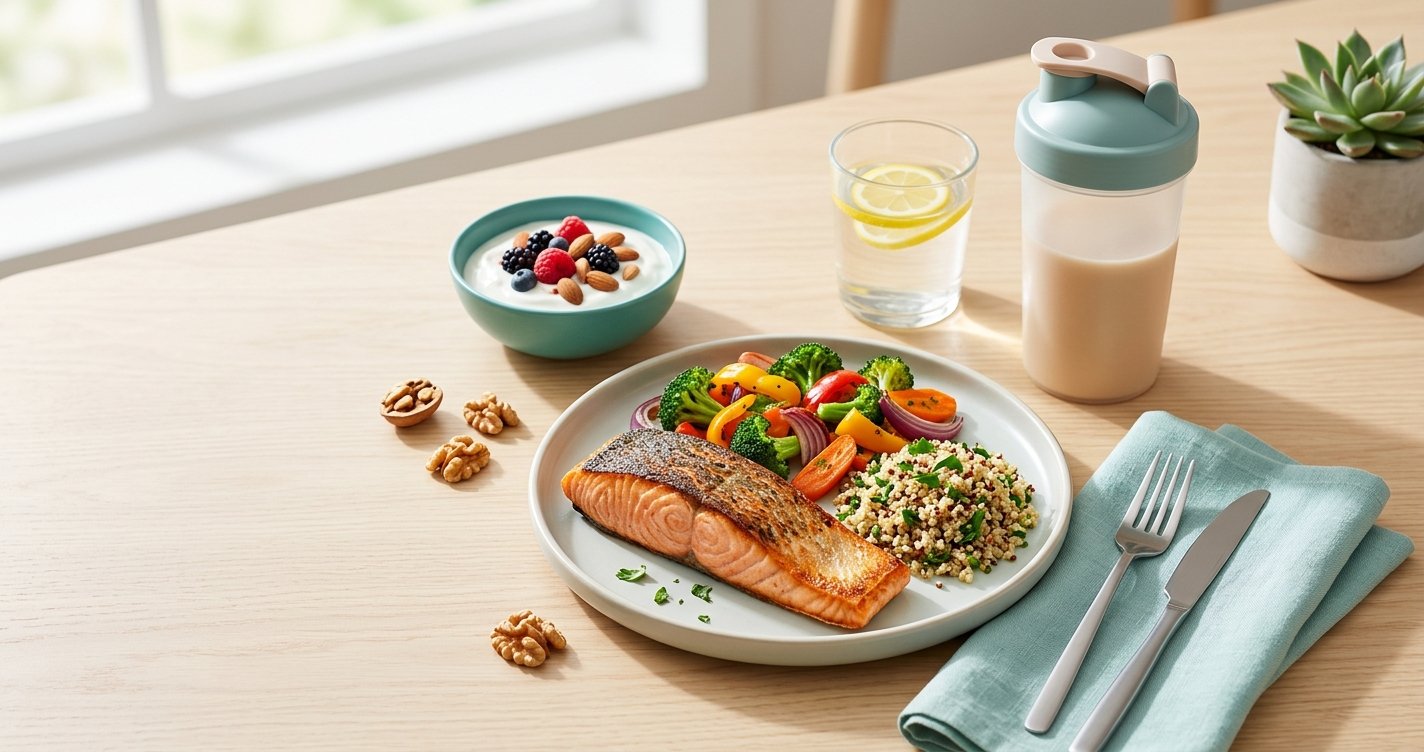
Unlock Sustainable Fat Loss: The Power of Protein & Smart Calorie Deficits
Are you tired of the endless cycle of restrictive diets, quick fixes, and the frustration of fat loss that just doesn't last? You're not alone. Many people embark on their fat loss journey with enthusiasm, only to be met with disappointment when the results are fleeting or the process feels unsustainable. The good news? Sustainable fat loss isn't a myth, and it doesn't require extreme measures. It's built on a foundation of simple, evidence-based principles that empower you to make lasting changes.
Today, we're diving deep into two of the most powerful and often underestimated pillars of effective, sustainable fat loss: understanding the calorie deficit and harnessing the incredible power of protein. Forget the fads and prepare to learn strategies that truly work, empowering you to achieve your goals in a healthy, encouraging way. this excellent wellness product
The Core Principle: Understanding Your Calorie Deficit
At its heart, fat loss boils down to one fundamental concept: energy balance. To lose fat, you must consume fewer calories than your body expends. This creates a 'calorie deficit,' forcing your body to tap into its stored energy reserves – primarily body fat – for fuel.
Think of your body as a car and calories as fuel. If you put less fuel in than you burn driving, your fuel tank (fat stores) will gradually empty. It sounds simple, and in theory, it is. The challenge often lies in creating this deficit intelligently and sustainably.
How to Create a Smart Calorie Deficit:
- Calculate Your TDEE: Your Total Daily Energy Expenditure (TDEE) is the total number of calories your body burns in a day, including basal metabolic rate (BMR), physical activity, and the thermic effect of food. Online calculators can give you an estimate based on your age, sex, weight, height, and activity level.
- Aim for a Moderate Deficit: A good starting point for sustainable fat loss is typically a deficit of 300-500 calories below your TDEE. This generally allows for a healthy fat loss rate of 0.5 to 1 pound per week, which is more likely to be fat rather than muscle, and is easier to maintain.
- Avoid Drastic Cuts: Severely restricting calories (e.g., more than 500-750 calories below TDEE) can backfire. It can lead to nutrient deficiencies, muscle loss, metabolic adaptation (slowing down your metabolism), increased hunger, and ultimately, a higher likelihood of rebound weight gain.
Remember, consistency over perfection is key here. It's not about being absolutely perfect every single day, but about consistently making choices that support your deficit over time.
The Mighty Macronutrient: Why Protein is Your Fat Loss MVP
While a calorie deficit is non-negotiable for fat loss, how you achieve that deficit profoundly impacts your success. This is where protein steps onto the stage as your most valuable player (MVP).
Protein is one of the three macronutrients (alongside carbohydrates and fats), and it's absolutely crucial for building and repairing tissues, producing enzymes and hormones, and, most importantly for our discussion, supporting fat loss.
The Fat Loss Superpowers of Protein:
- Satiety & Reduced Hunger: Protein is incredibly satiating. It helps you feel fuller for longer compared to carbohydrates or fats, which can significantly reduce cravings and overall calorie intake. Fewer hunger pangs mean less temptation to overeat!
- Higher Thermic Effect of Food (TEF): Your body expends energy to digest, absorb, and metabolize food. This is known as the Thermic Effect of Food (TEF). Protein has the highest TEF of all macronutrients, meaning you burn more calories just by eating and digesting it compared to carbs or fats. It's like a mini-metabolism boost with every protein-rich meal.
- Muscle Preservation: When you're in a calorie deficit, your body can break down both fat and muscle tissue for energy. Adequate protein intake is vital for preserving lean muscle mass. Maintaining muscle is crucial because muscle tissue is more metabolically active than fat tissue, meaning it burns more calories at rest. Losing muscle can slow down your metabolism, making future fat loss harder.
How Much Protein Do You Need?
For active individuals and those looking to lose fat while preserving muscle, a common recommendation is to consume 1.6 to 2.2 grams of protein per kilogram of body weight per day. For someone weighing 70kg (approx. 154 lbs), this would translate to roughly 112-154 grams of protein daily, spread across meals.
Putting it into Practice: Smart Food Choices & Meal Planning
Now that we understand the 'why,' let's talk about the 'how' – incorporating these principles into your daily life. It's not about restriction; it's about smart, delicious choices.
Prioritize High-Quality Protein Sources:
- Lean Meats: Chicken breast, turkey, lean beef, pork tenderloin.
- Fish & Seafood: Salmon, tuna, cod, shrimp, scallops (rich in omega-3s too!).
- Eggs: A complete protein, versatile and affordable.
- Dairy: Greek yogurt, cottage cheese, milk, whey protein (great for snacks or post-workout).
- Legumes & Plant-Based: Lentils, chickpeas, black beans, tofu, tempeh, edamame (combine with other plant proteins for a complete amino acid profile).
Balance Your Plate:
While protein is king for fat loss, don't neglect other essential nutrients. A balanced plate will support overall health and energy levels:
- Complex Carbohydrates: Whole grains (oats, brown rice, quinoa), sweet potatoes, fruits, and vegetables provide sustained energy, fiber, and vital micronutrients.
- Healthy Fats: Avocados, nuts, seeds, olive oil, and fatty fish are crucial for hormone production, nutrient absorption, and satiety.
- Plenty of Vegetables: Non-starchy vegetables are your best friend – low in calories, high in fiber, vitamins, and minerals. Fill half your plate with them!
Meal Planning & Preparation:
Planning is your secret weapon. Dedicate some time each week to plan your meals and snacks. This helps ensure you hit your protein targets, stay within your calorie deficit, and reduces the likelihood of impulsive, unhealthy food choices.
- Batch Cook: Prepare large quantities of protein (e.g., grilled chicken, roasted chickpeas) and grains at the beginning of the week.
- Pack Lunches: Avoid costly and often less healthy takeout options.
- Healthy Snacks: Keep high-protein, low-calorie snacks on hand, like Greek yogurt, cottage cheese, hard-boiled eggs, or a handful of almonds.
Beyond the Plate: Lifestyle Factors Supporting Fat Loss
While nutrition is paramount, a holistic approach to fat loss acknowledges that other lifestyle factors play a significant role. These elements synergize with your dietary efforts to accelerate progress and enhance overall well-being.
- Hydration is Key: Drinking enough water (aim for 8 glasses or more daily) supports metabolism, helps with satiety, and is crucial for overall bodily functions. Sometimes, thirst is mistaken for hunger!
- Prioritize Sleep: Lack of sleep can wreak havoc on your hunger hormones (ghrelin and leptin), making you hungrier and more prone to cravings for high-calorie, sugary foods. Aim for 7-9 hours of quality sleep per night.
- Manage Stress: Chronic stress elevates cortisol levels, which can promote fat storage, especially around the midsection. Incorporate stress-reducing activities like meditation, yoga, spending time in nature, or hobbies you enjoy.
- Incorporate Strength Training: While not the focus of this post, resistance training is an incredible complement to your fat loss journey. It builds and preserves muscle mass, which boosts your metabolism and improves body composition. Even 2-3 sessions a week can make a significant difference.
Common Pitfalls and How to Avoid Them
Even with the best intentions, it's easy to stumble. Being aware of common fat loss traps can help you navigate your journey more smoothly.
- Too Drastic Calorie Cuts: As mentioned, extreme deficits are unsustainable and counterproductive. Patience and consistency with a moderate deficit yield better long-term results.
- Not Enough Protein: Under-eating protein is a common mistake that leads to increased hunger, muscle loss, and a slower metabolism. Make sure protein is a priority in every meal.
- Ignoring Hunger Cues (or Over-relying on Them): Learn to distinguish between true physical hunger and emotional hunger. Mindful eating practices can help you tune into your body's signals more effectively.
- Lack of Consistency: Fat loss is a marathon, not a sprint. Occasional indulgences are fine, but consistent adherence to your calorie and protein goals is what drives progress.
- Focusing Only on the Scale: Your weight can fluctuate daily due to water retention, hormones, and bowel movements. Don't let the scale dictate your mood. Track other progress indicators like body measurements, how your clothes fit, energy levels, and strength in the gym.
Your Journey to Sustainable Success
Embarking on a fat loss journey can feel daunting, but with the right tools and mindset, it becomes an empowering path to a healthier, happier you. By focusing on a smart, sustainable calorie deficit and prioritizing protein, you're not just losing weight; you're building a stronger, more resilient body and fostering habits that will serve you for a lifetime.
Remember to be patient with yourself, celebrate small victories, and understand that progress isn't always linear. Listen to your body, adjust as needed, and most importantly, enjoy the process of nourishing yourself and becoming stronger. You have the power to transform your body and your health, one protein-packed, calorie-smart meal at a time!