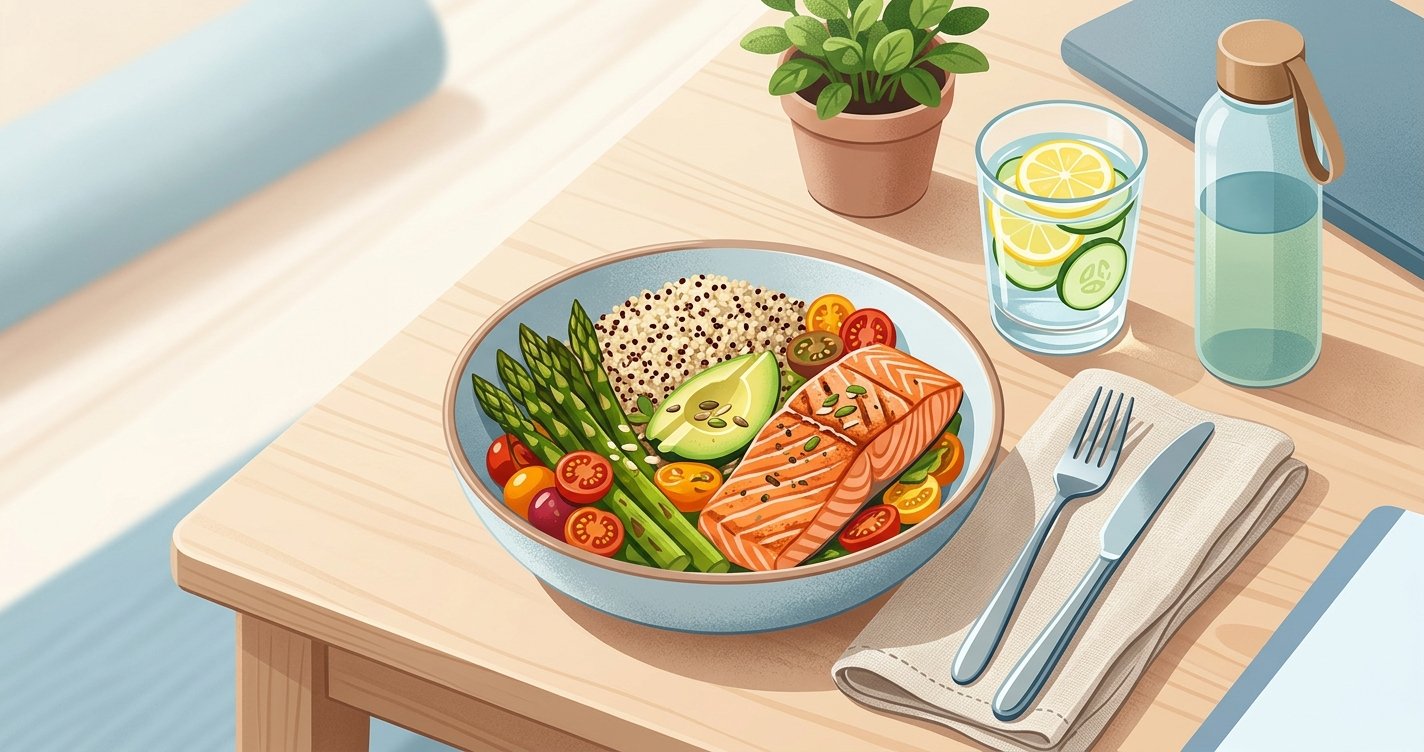
Unlock Sustainable Fat Loss: Beyond Crash Diets – The Power of Protein and Smart Calorie Deficits
Are you tired of the endless cycle of crash diets, rapid weight loss followed by even faster regain? You're not alone. The pursuit of fat loss can often feel like a frustrating rollercoaster, filled with restrictive eating, hunger pangs, and ultimately, disappointment. But what if there was a more sustainable, enjoyable, and evidence-based path to achieving your fat loss goals?
The good news is, there is! This isn't about quick fixes or deprivation; it's about understanding your body, fueling it intelligently, and building habits that last a lifetime. Today, we're diving deep into two cornerstones of effective and sustainable fat loss: a strategic calorie deficit and the incredible power of protein. Get ready to transform your approach to a healthier, leaner you, without sacrificing your well-being. this excellent wellness product
The Truth About Fat Loss: It's All About the Calorie Deficit
Let's cut straight to the chase: for your body to lose fat, you must consume fewer calories than you burn. This fundamental principle is known as a calorie deficit, and it's non-negotiable for fat loss. Think of your body like a bank account: if you spend more money than you earn, your savings (fat stores) decrease. It’s simple energy balance.
However, 'calorie deficit' doesn't have to mean starvation. A smart, moderate deficit is key to preserving muscle, maintaining energy levels, and making the process sustainable. Extreme deficits often lead to muscle loss, metabolic slowdown, and an unhealthy obsession with food, which are counterproductive in the long run.
How to Calculate Your Calorie Needs
Understanding your individual calorie needs is the first step. Your Total Daily Energy Expenditure (TDEE) is the number of calories your body burns in a day, factoring in your Basal Metabolic Rate (BMR – calories burned at rest) and your activity level. While precise calculations can be complex, many reliable online calculators can give you a good estimate by inputting your age, gender, height, weight, and activity level.
Once you have your TDEE, aim for a moderate deficit of 300-500 calories per day. This typically allows for a healthy and sustainable fat loss of 1-2 pounds per week. Remember, these are estimates, and your body will provide the ultimate feedback.
Why Protein is Your Best Friend for Fat Loss
If a calorie deficit is the engine of fat loss, protein is the premium fuel that keeps everything running smoothly and efficiently. This mighty macronutrient plays several critical roles that make it indispensable when you're trying to shed body fat.
Satiety Powerhouse: Stay Fuller, Longer
One of protein's most celebrated benefits is its remarkable ability to keep you feeling full and satisfied. Compared to carbohydrates and fats, protein has the highest satiety index. This means a protein-rich meal helps reduce hunger pangs and minimizes cravings, making it easier to stick to your calorie deficit without feeling constantly deprived. Imagine going hours without thinking about your next snack – that's the power of protein!
Muscle Protection and Metabolic Boost
When you're in a calorie deficit, your body might try to break down not just fat, but also precious muscle tissue for energy. This is where protein steps in as your guardian angel. Adequate protein intake signals to your body to preserve muscle mass, which is crucial because muscle is metabolically active – it burns more calories at rest than fat does. By maintaining muscle, you keep your metabolism revving, even during a deficit.
Furthermore, protein has a higher Thermic Effect of Food (TEF) than other macronutrients. This means your body expends more energy (calories) digesting and metabolizing protein than it does carbs or fats. It's a small but significant advantage in your fat loss journey.
Repair and Recovery for Active Lifestyles
If you're incorporating exercise (especially strength training, which we highly recommend!) into your fat loss plan, protein becomes even more vital. It provides the amino acids necessary for muscle repair and growth, helping your body recover faster and adapt to the demands of your workouts. This ensures you can maintain your activity levels and continue to build a stronger, leaner physique.
How Much Protein Do You Really Need?
The general recommendation for protein intake varies, but for fat loss, aiming higher is usually better. A good starting point is to consume between 1.6 to 2.2 grams of protein per kilogram of body weight (or 0.7 to 1 gram per pound of body weight). For example, if you weigh 70 kg (approx. 154 lbs), you'd aim for roughly 112-154 grams of protein per day.
Distributing your protein intake throughout the day, rather than consuming it all in one meal, can also enhance its benefits. Aim for 20-40 grams of protein per meal, depending on your total daily target.
- Excellent Protein Sources:
- Lean Meats: Chicken breast, turkey, lean beef, pork tenderloin
- Fish and Seafood: Salmon, cod, tuna, shrimp
- Eggs: Whole eggs or egg whites
- Dairy: Greek yogurt, cottage cheese, milk
- Legumes: Lentils, beans, chickpeas
- Plant-Based: Tofu, tempeh, edamame, protein powders
Crafting Your Sustainable Fat Loss Plate: Beyond Just Protein
While protein and a calorie deficit are foundational, a truly sustainable fat loss plan encompasses a balanced approach to all macronutrients and micronutrients. It's not just about what you cut out, but what you wisely include.
The Role of Complex Carbohydrates
Don't fear carbs! Complex carbohydrates (like whole grains, fruits, and vegetables) are your body's primary energy source. They provide fiber, essential vitamins, and minerals, and contribute to satiety. The key is to choose wisely and in appropriate portions. Opt for whole, unprocessed carbs over refined sugars and highly processed foods.
Healthy Fats are Essential
Healthy fats, found in avocados, nuts, seeds, and olive oil, are crucial for hormone production, nutrient absorption, and brain health. They also contribute to satiety. While fats are calorie-dense, a moderate amount is vital for overall health and can actually support your fat loss efforts by keeping you feeling satisfied.
Fiber: The Unsung Hero
Found abundantly in fruits, vegetables, whole grains, and legumes, fiber is a superstar for fat loss. It adds bulk to your meals without adding many calories, promotes digestive health, and further enhances feelings of fullness, helping you manage your calorie intake effortlessly.
Avoiding Common Pitfalls: The Mindset Shift
Fat loss isn't just a physical journey; it's a mental one too. Shifting your mindset can make all the difference between temporary success and lasting change.
Ditch the "All or Nothing" Mentality
Perfection is the enemy of progress. One 'off' meal or even an 'off' day doesn't derail your entire journey. Learn from it, adjust, and get back on track with your next meal. Consistency over perfection is the mantra for sustainable results.
Listen to Your Body
Pay attention to your hunger and satiety cues. Are you truly hungry, or just bored or stressed? Learning to distinguish between physical and emotional hunger is a powerful skill for long-term success. Eat slowly, savor your food, and stop when you're comfortably full, not stuffed.
Patience and Consistency are Key
Real, sustainable fat loss takes time. Your body needs to adapt, and habits need to be ingrained. Celebrate small victories, focus on the process, and trust that consistent effort will lead to lasting results. Remember, it's a marathon, not a sprint.
Putting It All Together: Your Action Plan
Ready to put these principles into practice? Here's a simple action plan to kickstart your sustainable fat loss journey:
- Calculate & Track (Initially): Use an online TDEE calculator and track your food intake for a few days to understand your current calorie consumption. Aim for a 300-500 calorie deficit.
- Prioritize Protein: Make protein the star of every meal. Aim for 20-40g of protein at breakfast, lunch, and dinner, and include it in snacks.
- Fill Up on Fiber: Load your plate with non-starchy vegetables, and include whole grains and fruits for added fiber and nutrients.
- Hydrate Smart: Drink plenty of water throughout the day. Sometimes thirst is mistaken for hunger.
- Move Your Body: Incorporate regular physical activity, especially strength training, to preserve muscle and boost your metabolism.
- Prioritize Sleep: Aim for 7-9 hours of quality sleep. Poor sleep can disrupt hormones that regulate hunger and satiety.
Embrace the Journey
Sustainable fat loss isn't about rigid rules or extreme sacrifices; it's about making informed choices that nourish your body, respect your well-being, and fit into your lifestyle. By focusing on a strategic calorie deficit and harnessing the power of protein, you're not just losing weight – you're building a foundation for a healthier, stronger, and more vibrant you. Be patient, be consistent, and most importantly, be kind to yourself on this incredibly rewarding journey. You've got this!