Embarking on a fat loss journey can often feel like navigating a maze of conflicting advice and quick-fix promises. You've probably heard it all – from restrictive diets to miracle pills. But what if we told you that sustainable, effective fat loss doesn't have to be complicated or punishing? At its core, achieving lasting results boils down to two fundamental, evidence-based pillars: creating a smart calorie deficit and harnessing the incredible power of protein. Forget the fads; this is about building a foundation for a healthier, stronger you, designed to be maintainable for the long haul. Let's dive into how these two critical elements work together to transform your body composition and boost your overall well-being.
The Foundation: Understanding Your Calorie Deficit
Before any other strategy, understanding and implementing a calorie deficit is paramount for fat loss. Simply put, a calorie deficit means you are consuming fewer calories than your body expends in a day. When this happens, your body is forced to tap into its stored energy reserves – primarily body fat – to make up the difference. It's a non-negotiable principle, a fundamental law of thermodynamics, and the bedrock upon which all successful fat loss is built. this excellent wellness product
What is a Calorie Deficit?
Imagine your body as a car. If you put in less fuel than it needs to travel, it will eventually run out. In the context of your body, fuel is calories. If you consistently provide less energy (calories) than your body burns through daily activities, exercise, and basic metabolic functions, your body will turn to its stored fat for energy. This is how fat loss occurs. It's not about starving yourself, but rather strategically reducing your caloric intake to encourage your body to use its fat stores.
Why a Calorie Deficit is Non-Negotiable
Many diets try to circumvent the calorie deficit, focusing solely on specific food groups or timing, but ultimately, any diet that leads to fat loss does so because it inadvertently creates a calorie deficit. For example, a low-carb diet often reduces overall calorie intake because many carb-rich foods are also calorie-dense. While other factors like hormones and macronutrient timing play a role in optimizing the process, the energy balance equation remains supreme. Without a deficit, fat loss simply won't happen.
How to Calculate Your Deficit Safely
Creating a safe and effective calorie deficit starts with knowing your Total Daily Energy Expenditure (TDEE) – the total number of calories your body burns in a day. You can estimate your TDEE using online calculators that consider your age, weight, height, sex, and activity level. Once you have your TDEE, aim to create a deficit of 300-500 calories per day. This typically results in a sustainable fat loss of 1-2 pounds per week, which is generally considered safe and promotes greater adherence. A larger deficit might lead to faster initial weight loss but often comes at the cost of muscle loss, nutrient deficiencies, and increased hunger, making it harder to sustain long-term.
- Start Small: Don't drastically cut calories overnight. Gradual reductions are easier to adapt to.
- Track Your Intake: Use a food tracking app for a few days to understand your current eating habits.
- Listen to Your Body: While a deficit is key, you shouldn't feel constantly deprived or exhausted. Adjust if needed.
- Focus on Nutrient Density: Prioritize whole, unprocessed foods to maximize satiety and nutrient intake within your calorie budget.
The Game Changer: The Power of Protein for Fat Loss
While a calorie deficit is the engine of fat loss, protein is the fuel that optimizes this engine for efficiency and sustainability. Often overlooked or underestimated, adequate protein intake is a true game-changer, offering multiple benefits that make your fat loss journey smoother and more effective.
Satiety & Appetite Control
One of protein's most celebrated benefits is its ability to make you feel fuller for longer. Protein has a higher satiety index compared to carbohydrates and fats, meaning it helps reduce hunger and cravings. When you include sufficient protein in your meals, you're less likely to overeat or snack unnecessarily, making it significantly easier to stick to your calorie deficit without feeling constantly deprived. This feeling of fullness isn't just psychological; protein impacts appetite-regulating hormones, helping to keep hunger pangs at bay.
Muscle Preservation
When you're in a calorie deficit, your body doesn't just burn fat; it can also break down muscle tissue for energy. This is highly undesirable because muscle is metabolically active – it burns more calories at rest than fat does. Losing muscle can slow down your metabolism, making it harder to maintain fat loss in the long run. Consuming enough protein, especially when combined with strength training, provides the necessary building blocks to preserve lean muscle mass, ensuring that the weight you lose is primarily fat, not valuable muscle.
The Thermic Effect of Food (TEF)
The thermic effect of food (TEF) is the energy required to digest, absorb, and metabolize the nutrients in your food. Protein has the highest TEF of all macronutrients, meaning your body burns more calories processing protein than it does processing carbs or fats. Roughly 20-30% of the calories from protein are expended during digestion, compared to 5-10% for carbohydrates and 0-3% for fats. While not a massive number, this 'metabolic boost' from protein adds up over time, contributing to your overall calorie expenditure and making your fat loss efforts more efficient.
- Lean Meats: Chicken breast, turkey, lean beef, pork tenderloin.
- Fish: Salmon, tuna, cod, tilapia (rich in omega-3s too!).
- Eggs: A complete protein source, versatile and affordable.
- Dairy: Greek yogurt, cottage cheese, milk (opt for low-fat versions).
- Legumes: Lentils, beans, chickpeas (great for plant-based options).
- Plant-Based Proteins: Tofu, tempeh, edamame, protein powders (whey, casein, soy, pea).
How Much Protein Do You Really Need?
The general dietary guidelines often suggest a minimum amount of protein, but for active individuals or those specifically aiming for fat loss, those recommendations are often insufficient. To truly leverage protein's benefits for satiety and muscle preservation during a calorie deficit, you'll want to aim higher.
General Guidelines
For optimal fat loss and muscle preservation, a common recommendation is to consume 1.6 to 2.2 grams of protein per kilogram of body weight (or 0.7 to 1 gram per pound of body weight) per day. For example, if you weigh 150 pounds, aiming for 105-150 grams of protein daily would be a good target. This range helps ensure you're getting enough protein to support muscle repair and growth, keep you full, and maximize the thermic effect of food, all crucial factors when you're in a calorie deficit.
Spreading Protein Intake
Don't try to get all your protein in one meal! Spreading your protein intake relatively evenly across your meals throughout the day (e.g., 20-40 grams per meal) has been shown to be more effective for muscle protein synthesis and satiety. This strategy helps to maintain a steady supply of amino acids in your bloodstream, which is vital for muscle repair and growth, and also helps manage hunger consistently from morning to night.
Combining Forces: Protein & Calorie Deficit in Action
Understanding the individual roles of a calorie deficit and protein is one thing; putting them into practice together is where the magic truly happens. It's about smart planning and consistent execution.
Meal Planning for Success
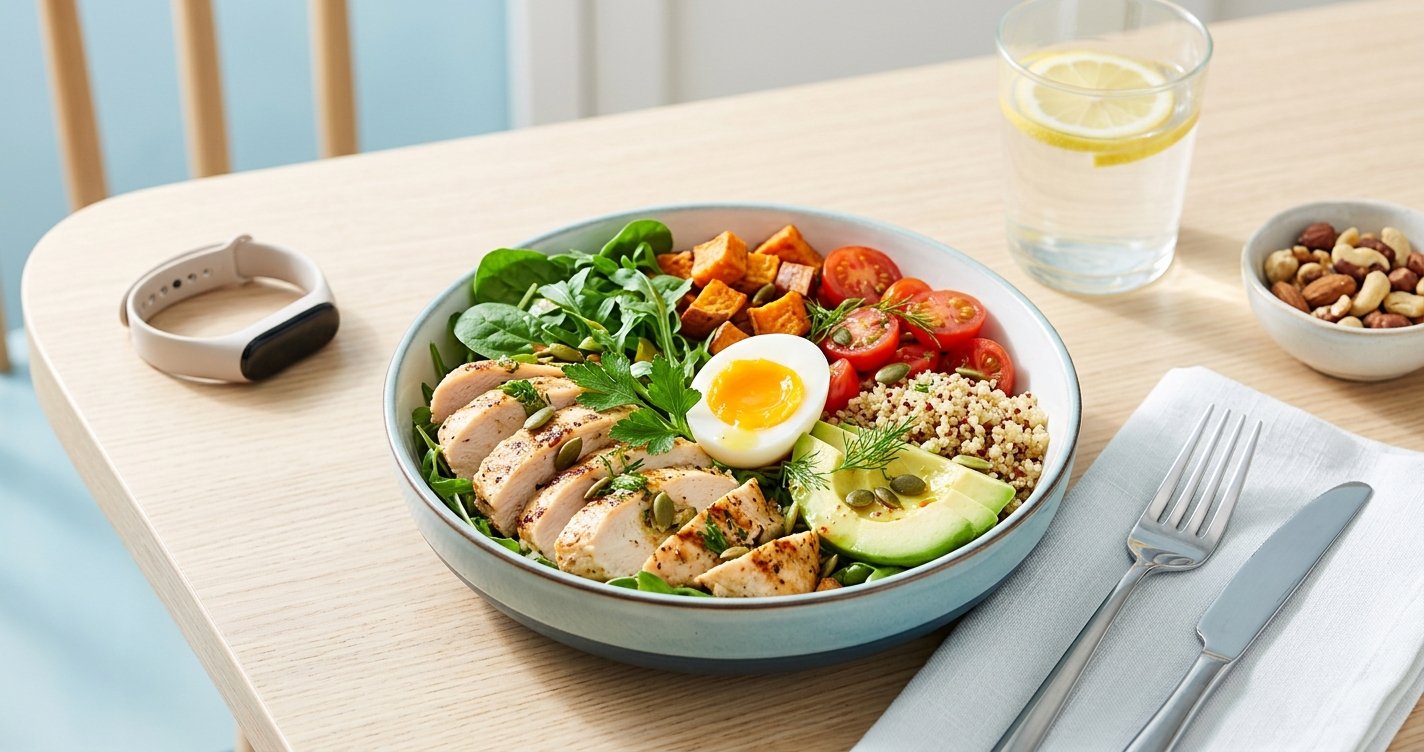
The best way to ensure you're hitting your protein and calorie targets is through mindful meal planning. Start by building your meals around a lean protein source. For breakfast, think Greek yogurt with berries or scrambled eggs. Lunch could be a large salad with grilled chicken or tuna. Dinner might be baked salmon with roasted vegetables. Snacks can include cottage cheese, a protein shake, or a handful of almonds. By prioritizing protein in each meal, you'll naturally feel more satisfied and less likely to overeat, making it easier to stay within your calorie deficit.
Beyond the Plate: Hydration, Fiber, and Micronutrients
While protein and calorie deficits are foundational, don't forget the supporting cast. Adequate hydration is crucial for overall health, metabolism, and can also help with satiety. Fiber-rich foods (fruits, vegetables, whole grains) contribute to fullness, aid digestion, and provide essential micronutrients. Focus on consuming a wide variety of whole, unprocessed foods to ensure you're getting all the vitamins and minerals your body needs to function optimally during fat loss. These elements work synergistically to enhance your results and support your well-being.
Common Pitfalls and How to Avoid Them
Even with the best intentions, fat loss journeys can hit snags. Being aware of common pitfalls can help you navigate them more successfully.
The "Too Low" Calorie Trap
Cutting calories too drastically might seem like a fast track to results, but it's often counterproductive. Severely restricting calories can lead to muscle loss, metabolic slowdown, nutrient deficiencies, constant hunger, and eventual rebound weight gain. Aim for a moderate, sustainable deficit (300-500 calories below TDEE) to protect your metabolism and muscle mass.
Neglecting Strength Training
While cardio is great for burning calories, strength training is critical for preserving and building muscle, which is vital for boosting your metabolism and improving body composition during fat loss. Incorporate at least 2-3 sessions of resistance training per week to maximize your results and shape your body.
Impatience and Inconsistency
Fat loss is a marathon, not a sprint. Expecting rapid, linear progress can lead to frustration and giving up. Focus on consistency over perfection. There will be days when you're off track, and that's okay. The key is to get back on track the next day. Celebrate small victories and remember that sustainable results take time and consistent effort.
Sustainable Fat Loss: A Lifestyle, Not a Diet
Ultimately, true fat loss success isn't about temporary deprivation; it's about adopting sustainable habits that you can maintain for life. The combination of a smart calorie deficit and adequate protein intake isn't just a diet strategy; it's a blueprint for healthier eating that supports your body's needs while helping you achieve your body composition goals. It's about making informed choices that nourish your body, manage your hunger, and preserve your strength.
Listening to Your Body
Pay attention to how different foods and portion sizes make you feel. Are you satisfied? Energized? Or are you feeling sluggish and hungry shortly after? Use this feedback to fine-tune your approach. Sustainable eating patterns are ones that feel good and are adaptable to your life.
The Importance of Flexibility
Life happens, and rigidity often leads to failure. Learn to incorporate flexibility into your plan. Enjoy social occasions without guilt, make healthier choices when eating out, and understand that occasional deviations won't derail your progress if your overall habits are strong. Consistency, not perfection, is the goal.
By embracing the powerful duo of a calorie deficit and sufficient protein, you're not just losing weight; you're building a stronger, healthier foundation for life. This evidence-based approach empowers you to take control of your fat loss journey with confidence, ensuring sustainable results and a renewed sense of well-being. Start today, and discover the lasting transformation within your reach!