Are you tired of the endless cycle of restrictive diets, quick fixes, and the frustration of seeing the scale yo-yo? If you’re nodding your head, you’re not alone. The world of fat loss is often clouded with misinformation, fads, and extreme approaches that are rarely sustainable. But what if we told you there’s a simpler, more evidence-based path to achieving your fat loss goals and, more importantly, maintaining them?
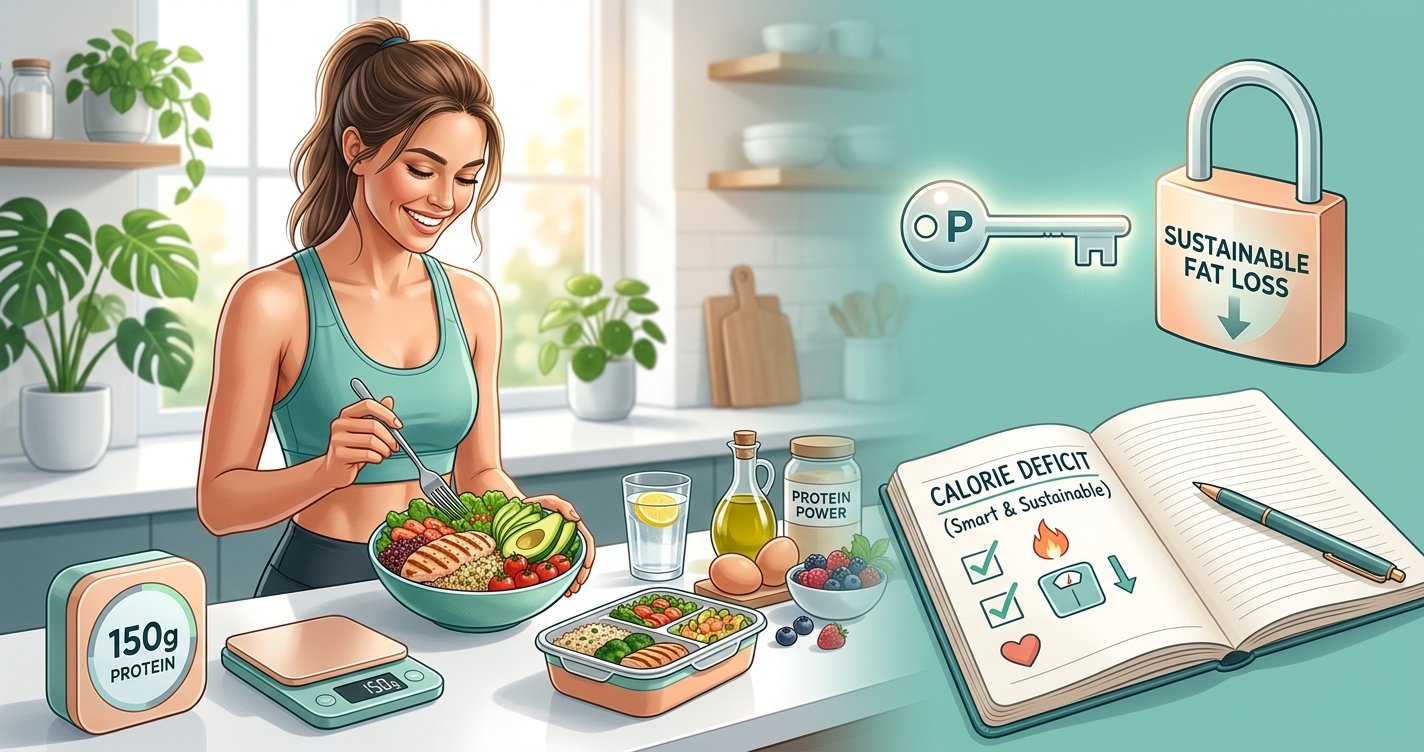
Forget the magic pills and detox teas. Sustainable fat loss boils down to two fundamental, scientifically-backed pillars: creating a smart calorie deficit and prioritizing adequate protein intake. These aren't just buzzwords; they are the cornerstones of a successful, healthy, and lasting transformation. Let’s dive into how these two powerful strategies can revolutionize your approach to fat loss, making it feel less like a struggle and more like an empowering journey. this excellent wellness product
The Non-Negotiable Foundation: Understanding the Calorie Deficit
At its heart, fat loss is a simple equation: you must consume fewer calories than your body expends. This state is known as a calorie deficit. Your body needs energy (calories) to perform all its functions, from breathing and thinking to exercising and digesting food. When you consistently provide less energy than your body needs, it starts to tap into its stored energy reserves – primarily body fat – to make up the difference. This is how fat loss occurs.
Think of your body like a car. If you want to burn the fuel in the tank (body fat), you need to drive it more than you fill it up. It’s a fundamental law of thermodynamics. However, the key word here is “smart.” A drastic, overly restrictive calorie deficit might lead to rapid initial weight loss, but it’s often unsustainable, can lead to nutrient deficiencies, muscle loss, and a rebound effect once the diet ends. A smart deficit is typically a moderate reduction (e.g., 300-500 calories below your daily maintenance needs) that allows for steady, consistent fat loss without feeling deprived or overly fatigued.
How to Create a Smart Calorie Deficit:
- Estimate Your Maintenance Calories: Use an online calculator (like a TDEE calculator) to get an estimate of how many calories your body burns daily based on your age, sex, weight, height, and activity level.
- Subtract Moderately: Aim to subtract 300-500 calories from your estimated maintenance.
- Track and Adjust: For a few days, track your food intake to understand your current habits. Monitor your progress (weight, measurements, how your clothes fit) and adjust your intake if needed. Consistency is more important than perfection.
Your Secret Weapon: The Incredible Power of Protein
While a calorie deficit is the engine of fat loss, protein is the fuel that keeps that engine running efficiently and ensures you’re burning fat, not precious muscle. Protein is often hailed as the most important macronutrient for fat loss, and for good reason. Let’s explore its multifaceted benefits:
Satiety and Hunger Control
One of protein's most celebrated attributes is its ability to keep you feeling full and satisfied for longer. Compared to carbohydrates and fats, protein has a higher satiety index. This means a protein-rich meal can significantly reduce hunger pangs and cravings, making it easier to stick to your calorie deficit without feeling constantly hungry. Less hunger equals less temptation to overeat, which is a huge win for fat loss.
Muscle Preservation
When you’re in a calorie deficit, your body can sometimes break down muscle tissue for energy, alongside fat. This is undesirable because muscle is metabolically active – it burns more calories at rest than fat does. Adequate protein intake signals to your body that it needs to preserve muscle mass, ensuring that the weight you lose is predominantly fat. Maintaining muscle also helps keep your metabolism humming along, preventing it from slowing down too much during your fat loss journey.
Thermic Effect of Food (TEF)
Digesting food itself requires energy, and this is known as the Thermic Effect of Food (TEF). Protein has the highest TEF among the macronutrients, meaning your body expends more calories digesting and metabolizing protein than it does for carbs or fats. While not a massive calorie burner on its own, this additional energy expenditure adds up over time and contributes to your overall calorie deficit.
Building Blocks for a Stronger You
Beyond fat loss, protein is essential for repairing tissues, building enzymes and hormones, and supporting overall health. It’s the building block of virtually every cell in your body. By ensuring sufficient protein, you’re not just losing fat; you’re also supporting your body’s ability to recover, adapt, and grow stronger, especially if you’re also incorporating strength training.
How Much Protein Do You Really Need?
The recommended daily allowance (RDA) for protein is 0.8 grams per kilogram of body weight, but this is a minimum to prevent deficiency, not necessarily optimal for fat loss or muscle preservation. For individuals actively trying to lose fat, especially while exercising, higher protein intake is beneficial.
- General Recommendation for Fat Loss: Aim for 1.6 to 2.2 grams of protein per kilogram of body weight (or 0.7 to 1 gram per pound of body weight).
- Spread It Out: Distribute your protein intake throughout the day, aiming for 20-40 grams per meal or snack to optimize muscle protein synthesis and satiety.
Smart Strategies for Boosting Your Protein Intake
Incorporating more protein into your diet doesn't have to be complicated or bland. Here are some practical tips:
- Prioritize Protein at Every Meal: Make protein the star of your plate. Start with a protein source, then add vegetables, and finally, healthy carbs and fats.
- Lean Protein Sources: Opt for lean meats like chicken breast, turkey, lean beef, and pork. Fish (salmon, tuna, cod) is also an excellent choice.
- Eggs, Dairy, and Legumes: Eggs are a versatile and complete protein source. Greek yogurt, cottage cheese, and skim milk are fantastic dairy options. For plant-based protein, consider lentils, beans, chickpeas, tofu, and tempeh.
- Smart Snacking: Instead of reaching for sugary snacks, choose protein-rich options like a handful of almonds, a hard-boiled egg, a small container of Greek yogurt, or a protein shake.
- Meal Planning & Preparation: Dedicate some time each week to plan your meals and prep protein sources in advance (e.g., grill a batch of chicken, cook a large pot of lentils). This makes healthy eating much easier during busy weekdays.
Combining Forces: Protein and a Smart Deficit in Action
The magic truly happens when you combine these two strategies. You create a calorie deficit to ensure fat loss, and you use protein to ensure that deficit primarily targets fat while preserving muscle, enhancing satiety, and boosting metabolism. Here’s how to put it into practice:
- Calculate Your Target Calories: Determine your maintenance calories and subtract 300-500.
- Determine Your Protein Goal: Calculate your target protein intake based on your body weight.
- Build Your Meals: Focus on making protein the cornerstone of each meal. For example:
- Breakfast: Scrambled eggs with spinach and whole-grain toast, or Greek yogurt with berries and a sprinkle of nuts.
- Lunch: Large salad with grilled chicken or chickpeas, or a turkey and veggie wrap on a whole wheat tortilla.
- Dinner: Baked salmon with roasted vegetables and a small serving of quinoa, or lentil soup with a side salad.
- Snacks: Cottage cheese, protein shake, a handful of edamame.
- Hydrate: Drinking plenty of water can also help with satiety and overall bodily functions.
- Be Patient and Consistent: Fat loss is a marathon, not a sprint. Consistency in hitting your calorie and protein targets is far more effective than sporadic perfection.
Beyond Diet: Holistic Habits for Lasting Success
While protein and a calorie deficit are foundational, sustainable fat loss is also supported by a holistic approach to health. These elements amplify your efforts and contribute to overall well-being:
- Strength Training: Incorporating resistance training 2-3 times a week is crucial. It helps build and maintain muscle mass, which is vital for a healthy metabolism and body composition, especially during a calorie deficit.
- Prioritize Sleep: Lack of sleep can disrupt hunger hormones (ghrelin and leptin), making you hungrier and more prone to cravings. Aim for 7-9 hours of quality sleep per night.
- Manage Stress: Chronic stress can elevate cortisol levels, which can hinder fat loss and encourage fat storage, particularly around the midsection. Find healthy ways to manage stress, such as meditation, yoga, or spending time in nature.
- Mindful Eating: Pay attention to your body's hunger and fullness cues. Eat slowly, savor your food, and avoid distractions. This helps prevent overeating and fosters a healthier relationship with food.
Conclusion: Your Sustainable Path to a Healthier You
Achieving sustainable fat loss doesn't have to be complicated or involve extreme measures. By focusing on the powerful duo of a smart calorie deficit and adequate protein intake, you're arming yourself with the most effective, evidence-based strategies available. This approach not only helps you shed unwanted body fat but also preserves precious muscle, keeps hunger at bay, and supports your overall health and vitality.
Remember, this is your journey, and consistency trumps perfection. Start small, make gradual changes, listen to your body, and celebrate every step of your progress. Embrace the power of protein and a smart deficit, and you’ll be well on your way to unlocking a healthier, stronger, and more confident you – for good!