Embarking on a fat loss journey can often feel like navigating a maze of conflicting advice. From restrictive diets to extreme workout regimens, the internet is flooded with 'quick fixes' that promise rapid results but rarely deliver lasting change. If you’ve ever felt frustrated, confused, or simply stuck, you’re not alone. The truth is, sustainable fat loss doesn't require deprivation or superhuman willpower; it requires understanding a few fundamental, evidence-based principles. And at the heart of these principles lie two powerful allies: the calorie deficit and the mighty protein.
Forget the fads and fleeting trends. This guide will cut through the noise, offering you a friendly, evidence-based, and encouraging roadmap to achieving your fat loss goals in a way that’s effective, enjoyable, and most importantly, sustainable for life. Let’s dive into the science and practical strategies that will empower you to transform your body and your relationship with food. this excellent wellness product
The Non-Negotiable Truth: Understanding the Calorie Deficit
Before we talk about anything else, we need to address the undisputed king of fat loss: the calorie deficit. Simply put, a calorie deficit means you’re consuming fewer calories than your body burns over a period of time. It's an energy balance equation: if 'energy in' (food) is less than 'energy out' (metabolism, activity, digestion), your body has no choice but to tap into its stored energy reserves – your body fat – for fuel.
Think of your body as a car. If you want to lose weight (reduce the fuel in the tank), you need to burn more fuel than you put in. There's no magic trick around this; it’s a fundamental law of thermodynamics. While hormones, metabolism, and genetics play supporting roles, a consistent calorie deficit remains the primary driver for fat loss.
How to Create a Sustainable Calorie Deficit
So, how do you figure out your 'energy out'? Your Total Daily Energy Expenditure (TDEE) is an estimate of the calories you burn daily. This includes your Basal Metabolic Rate (BMR – calories burned at rest), the Thermic Effect of Food (TEF – calories burned digesting food), and your activity level (exercise and non-exercise movement).
You can estimate your TDEE using online calculators (search for 'TDEE calculator'). Once you have this number, aim to create a deficit of about 300-500 calories per day. This moderate deficit is generally considered safe, effective, and sustainable, allowing for a steady fat loss of 1-2 pounds per week without feeling overly deprived or impacting your energy levels too drastically. A larger deficit might lead to faster initial weight loss but often comes with increased hunger, fatigue, and a greater risk of muscle loss and rebound weight gain.
Power Up Your Plate: Why Protein is Your Fat Loss Best Friend
Once you understand the calorie deficit, the next crucial step is optimizing your food choices within that deficit. And here's where protein truly shines as your ultimate ally in the fat loss battle. It’s not just for bodybuilders; protein is essential for everyone, especially when aiming to shed body fat.
Satiety Superstar: Keeping You Full, Longer
One of the biggest challenges in a calorie deficit is managing hunger. Protein is renowned for its incredible ability to promote satiety – the feeling of fullness and satisfaction after eating. Compared to carbohydrates and fats, protein has a superior impact on hunger-regulating hormones, helping to reduce cravings and prevent overeating. This means you'll feel more satisfied on fewer calories, making adherence to your deficit significantly easier.
Muscle Guardian: Preserving Lean Mass
When you're in a calorie deficit, your body doesn't just burn fat; it can also break down muscle tissue for energy. Losing muscle is counterproductive for fat loss because muscle is metabolically active, meaning it burns more calories at rest than fat tissue. A higher protein intake, especially when combined with resistance training, helps signal to your body to preserve precious lean muscle mass while primarily targeting fat stores. This not only maintains your metabolism but also contributes to a more toned physique.
Thermic Effect of Food (TEF): The Calorie Burn Bonus
Digesting, absorbing, and metabolizing food actually requires energy – this is known as the Thermic Effect of Food (TEF). Protein has a significantly higher TEF than carbohydrates or fats. Approximately 20-30% of the calories from protein are burned just in the process of digestion, compared to 5-10% for carbs and 0-3% for fats. While not a massive calorie burner on its own, this subtle boost adds up over time and gives protein an edge in your fat loss strategy.
How Much Protein Do You Really Need for Fat Loss?
The recommended dietary allowance (RDA) for protein is 0.8 grams per kilogram of body weight (g/kg). However, this is a minimum to prevent deficiency, not an optimal amount for fat loss or muscle preservation, especially for active individuals.
For those looking to optimize fat loss and preserve muscle mass, research suggests a higher intake. A good general guideline is to aim for 1.6 to 2.2 grams of protein per kilogram of body weight (or roughly 0.7 to 1 gram per pound of your target body weight) per day. For example, if you weigh 150 pounds and your target weight is 130 pounds, you might aim for 90-130 grams of protein daily.
Distributing your protein intake throughout the day (e.g., 20-40 grams per meal, plus protein-rich snacks) is also beneficial for maximizing muscle protein synthesis and satiety.
Smart Strategies: Combining Calorie Deficit and High Protein
Now that you understand the 'why,' let's talk about the 'how' to put these principles into practice effectively and enjoyably.
Prioritize Whole, Nutrient-Dense Protein Sources
Focus on incorporating high-quality protein into every meal. Excellent sources include:
- Lean meats: Chicken breast, turkey, lean beef, pork loin
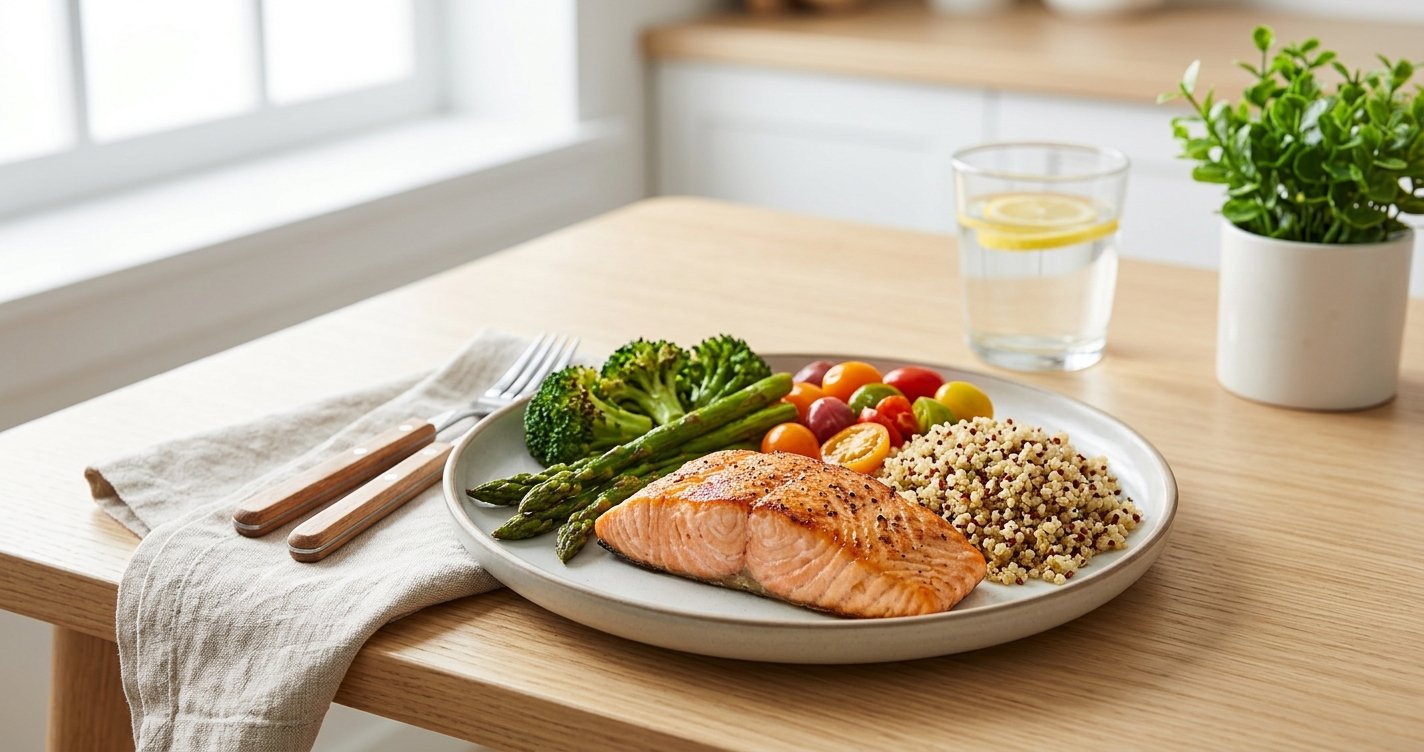
- Fish and seafood: Salmon, tuna, cod, shrimp
- Eggs: Whole eggs are fantastic, egg whites are pure protein
- Dairy: Greek yogurt, cottage cheese, milk, whey protein
- Legumes: Lentils, beans, chickpeas
- Plant-based proteins: Tofu, tempeh, edamame, seitan, plant-based protein powders
Master Meal Planning and Tracking
To ensure you're hitting your calorie and protein targets consistently, some form of tracking can be incredibly helpful, especially when you're starting out. This doesn't have to be a lifelong commitment, but it provides valuable insight into your eating habits.
- Use a Food Tracking App: Apps like MyFitnessPal or Chronometer allow you to log your food and track your macros (protein, carbs, fats) and total calories.
- Plan Ahead: Dedicate some time each week to plan your meals and snacks. This reduces decision fatigue and helps you make healthier choices when hunger strikes.
- Portion Control: Understand appropriate portion sizes for your goals. Using a food scale for a few weeks can be an eye-opener.
Hydration Hero: Don't Forget Water
Often overlooked, adequate water intake is crucial for fat loss. Water can help with satiety, support metabolism, and ensure all bodily functions run smoothly. Aim for at least 8-10 glasses of water per day, and consider drinking a glass before meals to aid with fullness.
Strategic Snacking
If you need snacks, make them count. Opt for protein-rich options to bridge the gap between meals and keep hunger at bay. Think Greek yogurt, a hard-boiled egg, cottage cheese, a handful of almonds, or a protein shake.
Embrace Fiber-Rich Foods
While protein is paramount, don't neglect fiber. Found in fruits, vegetables, and whole grains, fiber works synergistically with protein to enhance satiety, promote digestive health, and contribute to overall well-being. Fill your plate with plenty of colorful produce!
Beyond the Numbers: The Importance of Sustainability and Mindset
While calories and protein are the cornerstones, your mindset and approach to consistency are equally vital for long-term success. Fat loss isn't a race; it's a journey of building sustainable habits.
- Patience is Key: Fat loss is rarely linear. There will be plateaus, fluctuations, and days when you feel less motivated. Trust the process, stay consistent, and remember your 'why.'
- Listen to Your Body: While tracking can be useful, also learn to tune into your body's hunger and fullness cues. As you progress, you might find you can intuitively eat in a way that supports your goals.
- Flexibility and Balance: Don't strive for perfection; strive for consistency. The 80/20 rule (eating healthily 80% of the time and allowing for occasional treats 20% of the time) can make your journey more enjoyable and sustainable.
- Celebrate Non-Scale Victories: Focus on progress beyond the number on the scale. Improved energy levels, better sleep, clothes fitting differently, increased strength, and a more positive mood are all incredible indicators of success.
Your Action Plan for Sustainable Fat Loss
Ready to put this knowledge into action? Here's a simple plan to get started:
- Estimate Your TDEE: Use an online calculator to get an estimate.
- Set Your Calorie Deficit: Subtract 300-500 calories from your TDEE.
- Calculate Your Protein Target: Aim for 1.6-2.2 g/kg of your target body weight.
- Track for a Week: Use a food tracking app to log everything you eat and drink for 5-7 days. This will give you a baseline and help you identify areas for improvement.
- Prioritize Protein: Focus on including a high-quality protein source in every meal and snack.
- Hydrate Consistently: Keep a water bottle handy and sip throughout the day.
- Be Patient & Consistent: Remember, small, consistent efforts lead to big, lasting results.
Sustainable fat loss isn't about deprivation; it's about empowerment through knowledge and smart choices. By harnessing the power of a strategic calorie deficit and prioritizing protein, you're not just losing weight – you're building a stronger, healthier, and more vibrant you. You’ve got this!