Introduction: Beyond Quick Fixes & Towards Lasting Fat Loss
Tired of the endless cycle of restrictive diets and disappointing results? You're not alone. The world of fat loss is often cluttered with misinformation, miracle pills, and unsustainable fads. But what if we told you that the most effective, evidence-based path to sustainable fat loss isn't about deprivation, but about understanding a few fundamental principles?
At its heart, sustainable fat loss boils down to two incredibly powerful, interconnected pillars: creating a calorie deficit and harnessing the mighty power of protein. Forget the extremes; our journey together will focus on friendly, practical, and scientifically sound strategies that empower you to achieve lasting change, not just temporary wins. Let's dive into how these two core concepts can transform your body and your relationship with food. this excellent wellness product
Understanding the Calorie Deficit: Your Fat Loss Foundation
Let's get straight to the bedrock of all fat loss: the calorie deficit. Simply put, a calorie deficit means consistently consuming fewer calories than your body burns over a period of time. When this happens, your body turns to its stored energy reserves – primarily body fat – to make up the difference. It's a fundamental law of thermodynamics, and there's no way around it.
But before you start imagining extreme hunger, let's redefine what a 'deficit' truly means. A sustainable deficit isn't about starving yourself; it's about making smart, manageable adjustments to your daily intake. Starving yourself can lead to muscle loss, metabolic slowdown, nutrient deficiencies, and rebound weight gain. Instead, we aim for a moderate deficit – typically 300-500 calories below your Total Daily Energy Expenditure (TDEE) – which allows for steady, healthy fat loss (around 1-2 pounds per week) while preserving precious muscle mass and energy levels.
How do you figure out your TDEE? Online calculators can give you a good estimate based on your age, sex, weight, height, and activity level. From there, subtract your chosen deficit, and you have your daily calorie target. Remember, this is a starting point, and listening to your body while tracking your progress is key to fine-tuning your numbers.
The Mighty Macronutrient: Why Protein is Your Best Friend for Fat Loss
While a calorie deficit is the engine of fat loss, protein is the fuel that makes that engine run efficiently, comfortably, and sustainably. It's not just for bodybuilders; protein is a superhero for anyone looking to lose fat and improve their body composition.
Satiety & Appetite Control: Stay Fuller, Longer
One of protein's most celebrated superpowers is its ability to keep you feeling full and satisfied. Compared to carbohydrates and fats, protein has the highest satiety index. This means a high-protein meal can significantly reduce hunger pangs and cravings, making it much easier to stick to your calorie deficit without feeling constantly deprived. Imagine going through your day feeling genuinely content with your meals – that's the protein advantage!
Muscle Preservation & Metabolism: Keep Your Engine Strong
When you're in a calorie deficit, your body might try to break down not just fat, but also muscle tissue for energy. This is where protein steps in as your muscle guardian. A higher protein intake, especially when combined with resistance training, signals to your body to preserve lean muscle mass. Why is this crucial? Because muscle is metabolically active – it burns more calories at rest than fat does. By maintaining or even building muscle, you keep your metabolism revving, making fat loss more efficient and preventing metabolic slowdown.
The Thermic Effect of Food (TEF): Burn More Just By Eating
Here's another cool fact: your body expends energy to digest, absorb, and metabolize the food you eat. This is known as the Thermic Effect of Food (TEF). Protein has a significantly higher TEF than carbs or fats, meaning you burn more calories just by consuming it. While it's not a magic bullet, every little bit helps in creating that sustainable calorie deficit.
How Much Protein Do You Really Need for Optimal Fat Loss?
So, we know protein is essential, but how much is enough? For optimal fat loss and muscle preservation during a calorie deficit, research generally recommends a higher intake than the standard dietary guidelines. Aim for approximately 1.6 to 2.2 grams of protein per kilogram of body weight (or about 0.7 to 1 gram per pound of lean body mass).
- For example, if you weigh 70 kg (about 154 lbs), you'd be looking at roughly 112-154 grams of protein per day.
- If you're heavier, focus on your lean body mass rather than total weight for a more accurate target.
Don't worry, this isn't as daunting as it sounds! Spreading your protein intake throughout the day – aiming for 20-40 grams per meal and snack – is a highly effective strategy to hit your targets and maximize its benefits for satiety and muscle protein synthesis.
Smart Strategies for Hitting Your Protein Goals
Integrating more protein into your diet doesn't have to be complicated or boring. Here are some practical, friendly ways to boost your intake:
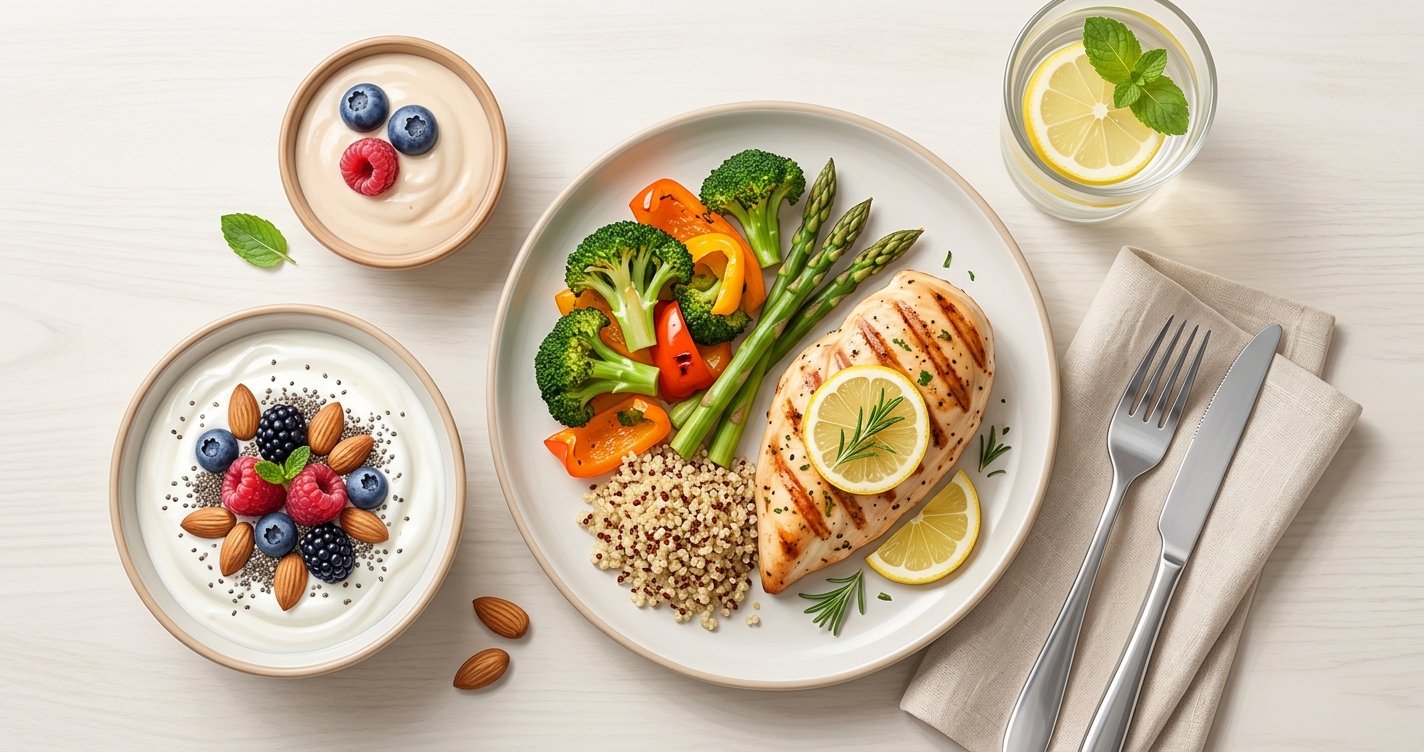
- Prioritize Protein at Every Meal: Make protein the star of your plate. Think lean meats (chicken breast, turkey, lean beef), fish (salmon, tuna, cod), eggs, Greek yogurt, cottage cheese, tofu, tempeh, lentils, and beans.
- Snack Smart: Instead of chips or cookies, opt for protein-rich snacks like a handful of almonds, a hard-boiled egg, a small container of Greek yogurt, or a protein shake.
- Protein-Boosted Breakfasts: Scrambled eggs, protein pancakes, Greek yogurt with berries, or a smoothie with protein powder are great ways to start your day strong.
- Utilize Protein Powders: Whey, casein, soy, or plant-based protein powders can be incredibly convenient for boosting protein intake, especially around workouts or when you're short on time.
- Meal Prep: Cook larger batches of protein sources like grilled chicken or roasted chickpeas at the beginning of the week to easily add to your meals.
- Don't Forget Legumes: Beans, lentils, and chickpeas are fantastic plant-based protein sources that also provide fiber, aiding satiety.
Navigating Your Calorie Deficit Wisely: Quality Matters
While protein is paramount, remember that a calorie deficit still requires attention to your overall food choices. You can hit your protein target, but if the rest of your calories come from highly processed, nutrient-poor foods, you'll struggle with hunger, energy levels, and overall health. Focus on nutrient-dense foods to complement your protein intake:
- Abundant Vegetables: Load up on non-starchy vegetables. They're low in calories, high in fiber, and packed with vitamins and minerals, adding volume and nutrients to your meals.
- Fruits in Moderation: Enjoy whole fruits for their natural sweetness, fiber, and antioxidants.
- Whole Grains: Choose complex carbohydrates like oats, quinoa, brown rice, and whole-wheat bread for sustained energy and fiber.
- Healthy Fats: Include sources of healthy fats like avocados, nuts, seeds, and olive oil in moderation. They're crucial for hormone production and nutrient absorption, but remember they are calorie-dense.
The goal is to create a deficit that feels sustainable, enjoyable, and nourishing. This isn't a race; it's a journey of building healthier habits that last a lifetime.
Beyond Calories & Protein: The Holistic Picture
While calorie deficit and protein are foundational, true sustainable fat loss is part of a larger, holistic approach to health. Don't underestimate the impact of these additional factors:
- Hydration: Drinking plenty of water can help with satiety, boost metabolism, and is vital for all bodily functions.
- Sleep: Poor sleep can disrupt hormones that regulate appetite (ghrelin and leptin), leading to increased cravings and fat storage. Aim for 7-9 hours of quality sleep.
- Stress Management: Chronic stress can elevate cortisol levels, which can promote fat storage, particularly around the abdomen. Find healthy ways to manage stress, such as meditation, yoga, or spending time in nature.
- Movement & Strength Training: While not directly covered here, incorporating regular physical activity, especially strength training, works synergistically with high protein intake to build and preserve muscle, further enhancing your fat loss efforts.
Conclusion: Your Sustainable Path to a Healthier You
Embarking on a fat loss journey can feel overwhelming, but by focusing on the powerful duo of a calorie deficit and adequate protein intake, you've unlocked the most effective and sustainable strategy there is. It's not about perfection, but about consistent, informed effort.
Remember, this is your journey, and it's built on progress, not immediate perfection. Be patient with yourself, celebrate the small victories, and trust in the power of these evidence-based principles. You have the knowledge now; it's time to put it into practice, nourish your body, and build the strong, healthy, and confident you!