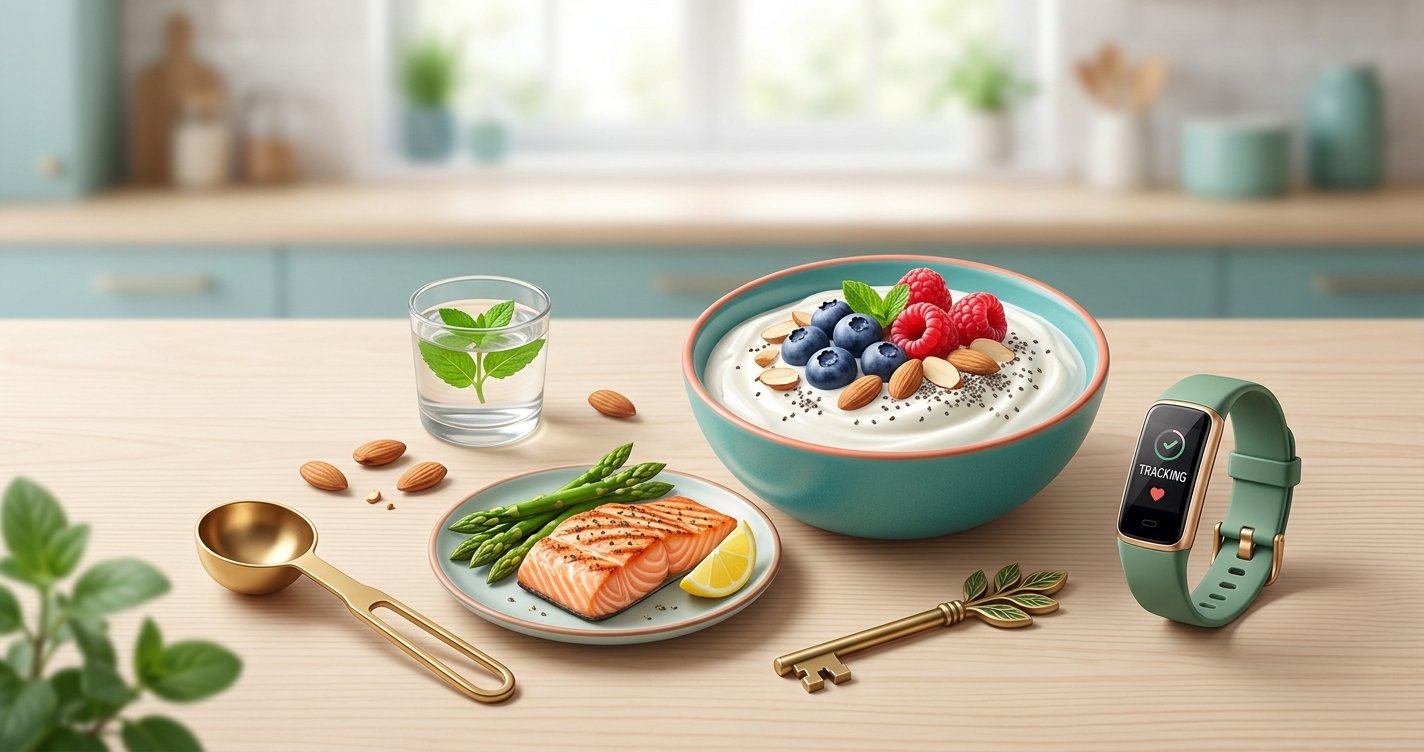
Are you tired of the endless cycle of diets that promise quick fixes but leave you feeling frustrated and no closer to your fat loss goals? You’re not alone. Many people focus solely on grueling workouts, overlooking the absolute cornerstone of sustainable fat loss: nutrition. While exercise is fantastic for your health and can certainly aid your journey, it’s truly in the kitchen where the magic happens.
Today, we’re going to dive deep into two powerful, evidence-based nutrition strategies that, when combined, create an unstoppable force for sustainable fat loss: a smart calorie deficit and the incredible power of protein. Forget restrictive eating and embrace a balanced, friendly approach that will not only help you shed unwanted fat but also build healthier habits for life. Let’s get started! this excellent wellness product
Understanding the Calorie Deficit: Your Foundation for Fat Loss
At its core, fat loss boils down to a simple scientific principle: you need to consume fewer calories than your body burns. This is known as creating a “calorie deficit.” Think of it like a bank account for your body’s energy. If you deposit more money (calories) than you spend (burn), your savings (fat stores) grow. If you spend more than you deposit, your savings decrease.
It’s not about starving yourself or feeling deprived. A sustainable calorie deficit means finding that sweet spot where you’re eating just enough less to encourage your body to tap into its fat reserves for energy, without feeling constantly hungry or zapping your energy levels. Here's why it’s non-negotiable:
- The First Law of Thermodynamics: Energy cannot be created or destroyed. If you want to lose stored energy (fat), you must create an energy imbalance.
- Targeting Fat Stores: When your body needs more energy than you're providing through food, it turns to its most efficient energy reserve: stored body fat.
How to Create a Smart Deficit:
First, you need an estimate of your Total Daily Energy Expenditure (TDEE) – the number of calories your body burns in a day, including basal metabolism, activity, and digestion. There are many online calculators that can give you a starting point. Once you have your TDEE, aim to subtract 300-500 calories to create a moderate deficit. This typically leads to a healthy and sustainable fat loss of 1-2 pounds per week. Consistency, not drastic cuts, is key here!
The Protein Powerhouse: Why It's Your Fat Loss Best Friend
Once you’ve established your calorie deficit, the next crucial step is prioritizing protein. Protein isn't just for bodybuilders; it's a vital macronutrient that plays several critical roles in making your fat loss journey smoother, more effective, and more enjoyable. Let's explore why:
Satiety and Hunger Control
Have you ever eaten a huge salad only to feel hungry an hour later? Or devoured a pastry and craved more shortly after? That’s often because these foods lack sufficient protein. Protein is the most satiating of all macronutrients. It helps you feel fuller for longer, reducing those pesky cravings and making it much easier to stick to your calorie deficit. When you feel satisfied, you’re less likely to overeat or reach for unhealthy snacks.
Muscle Preservation (and Growth!)
When you’re in a calorie deficit, your body is looking for energy. Without enough protein, there’s a risk that your body might break down precious muscle tissue for fuel, not just fat. This is a big problem because muscle is metabolically active – it burns more calories at rest than fat does. By consuming adequate protein, you signal to your body to preserve (and potentially even build) muscle mass, ensuring that the weight you lose is primarily fat, not muscle. This helps maintain your metabolism and gives you a leaner, stronger physique.
The Thermic Effect of Food (TEF)
Did you know that your body expends energy just to digest and process the food you eat? This is called the Thermic Effect of Food (TEF). Protein has the highest TEF among all macronutrients. About 20-30% of the calories you consume from protein are burned off during digestion, compared to 5-10% for carbohydrates and 0-3% for fats. This means that by choosing protein-rich foods, you’re effectively getting a slight metabolic boost with every meal!
Practical Tips for Increasing Protein Intake:
- Prioritize Protein at Every Meal: Aim for a palm-sized portion (20-40 grams) of protein at breakfast, lunch, and dinner.
- Smart Snacking: Opt for protein-rich snacks like Greek yogurt, cottage cheese, hard-boiled eggs, a handful of almonds, or a protein shake.
- Lean Sources: Choose lean meats (chicken breast, turkey, lean beef), fish (salmon, tuna, cod), eggs, dairy (yogurt, milk, cheese), legumes (lentils, beans), and plant-based options like tofu and tempeh.
- Don't Be Afraid of Supplements: If you struggle to meet your protein needs through whole foods, a protein powder can be a convenient and effective addition.
Beyond Calories and Protein: Other Nutritional Allies
While a calorie deficit and ample protein are your heavy hitters, a holistic approach to nutrition involves other key players that support your fat loss and overall health:
Fiber: The Unsung Hero
Fiber-rich foods are your allies in feeling full and keeping your digestive system happy. Found in fruits, vegetables, whole grains, and legumes, fiber adds bulk to your meals without adding many calories. It slows digestion, helps regulate blood sugar, and supports a healthy gut microbiome, all of which indirectly aid fat loss.
Healthy Fats: Essential for Hormones and Satiety
Don’t fear fats! While they are calorie-dense, healthy fats are crucial for hormone production, nutrient absorption, and long-term satiety. Incorporate sources like avocados, nuts, seeds, olive oil, and fatty fish (like salmon) in moderation. They contribute to the deliciousness and satisfaction of your meals, making your diet feel less restrictive.
Hydration: Simple Yet Powerful
Often overlooked, adequate water intake is fundamental. Sometimes, your body can confuse thirst for hunger, leading to unnecessary snacking. Drinking plenty of water also aids metabolism, helps with nutrient transport, and keeps you feeling refreshed. Aim for at least 8 glasses a day, and more if you’re active.
Building Your Sustainable Fat Loss Plate: Practical Strategies
Now that you understand the principles, how do you put them into action? Here are some practical strategies to build a sustainable fat loss plate:
- Prioritize Protein and Produce: Start by filling half your plate with non-starchy vegetables and a quarter with a lean protein source. The remaining quarter can be a source of complex carbohydrates like quinoa, brown rice, or sweet potatoes.
- Meal Planning and Preparation: Dedicate some time each week to plan your meals and prep ingredients. This reduces decision fatigue and helps you make healthier choices when hunger strikes.
- Mindful Eating: Pay attention to your food. Eat slowly, savor each bite, and listen to your body’s hunger and fullness cues. This can help prevent overeating and improve digestion.
- Don't Aim for Perfection, Aim for Consistency: Life happens. There will be days you go off track. Don't let one 'slip-up' derail your entire journey. Get back on track with your next meal. The 80/20 rule (eating well 80% of the time, allowing flexibility for 20%) can be very effective.
Navigating Challenges and Staying Motivated
Your fat loss journey won't always be a straight line, and that's perfectly normal. Here's how to tackle common hurdles:
- Plateaus: If progress stalls, don't panic. Reassess your calorie intake (are you truly in a deficit?), increase your activity slightly, or try a refeed day to boost metabolism. Sometimes, simply being patient is the best strategy.
- Social Situations: Learn to navigate social gatherings. You can eat mindfully, choose healthier options, or simply enjoy a small portion of treats without guilt. It's about balance, not deprivation.
- Focus on Non-Scale Victories: The scale is just one measure. Celebrate increased energy, better sleep, clothes fitting looser, improved mood, and greater strength. These are powerful motivators!
Your Journey to a Stronger, Healthier You
Sustainable fat loss isn't about quick fixes or extreme diets. It’s about understanding your body and making informed, consistent choices that support your goals. By embracing a smart calorie deficit and harnessing the power of protein, you’re not just losing fat; you’re building a foundation for lifelong health, energy, and confidence.
Remember, this is your journey. Be patient with yourself, celebrate your progress, and trust the process. With these evidence-based strategies, you've got all the tools you need to achieve your fat loss goals and maintain them for good. Start small, stay consistent, and watch yourself transform!