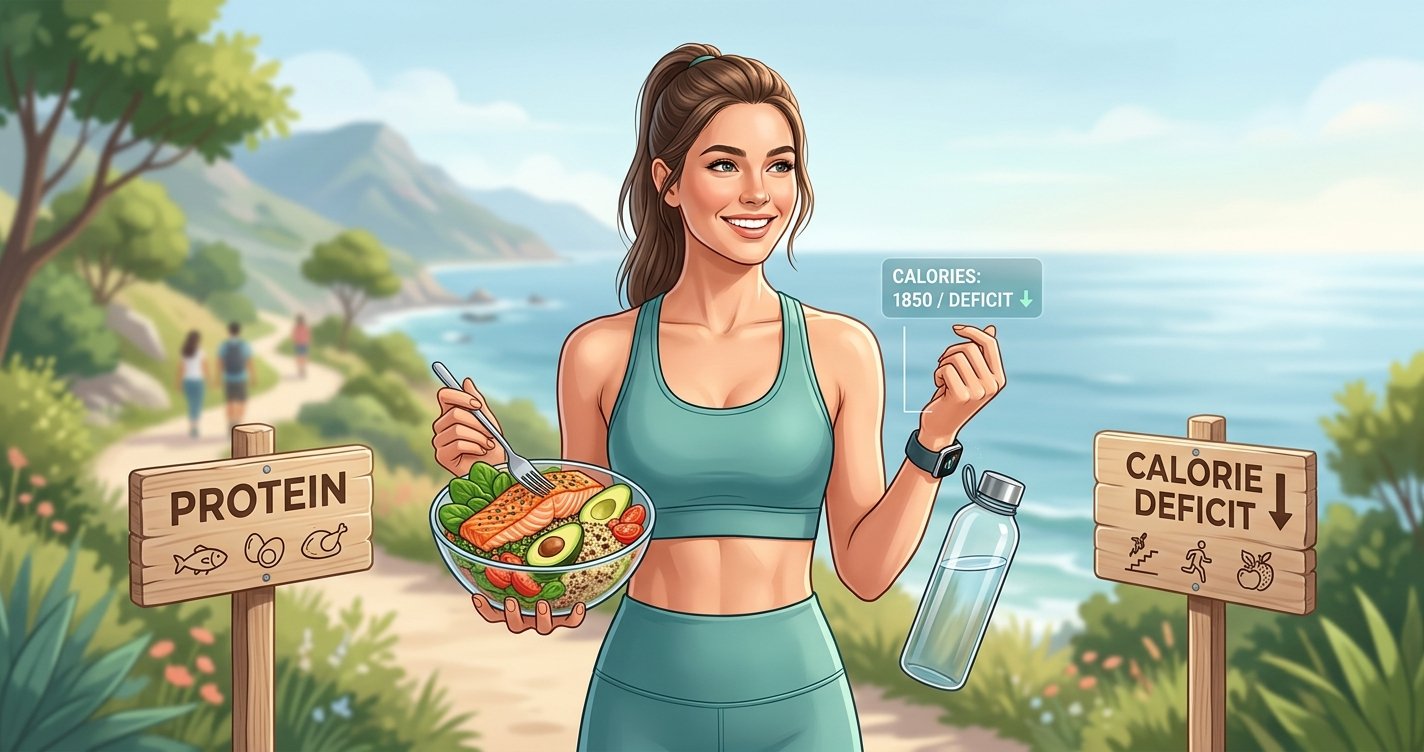
Embarking on a fat loss journey can feel overwhelming, with countless diets and strategies vying for your attention. But what if we told you that two fundamental, evidence-based principles hold the key to sustainable, healthy fat loss? Welcome to the world of the calorie deficit and the mighty macro: protein. Forget the fads and quick fixes; understanding and effectively implementing these two pillars will not only help you shed unwanted fat but also build a healthier, stronger you for the long term. Let's dive in!
Understanding the Calorie Deficit: Your Foundation for Fat Loss
What Exactly is a Calorie Deficit?
At its core, fat loss boils down to a simple energy balance equation: to lose fat, you must consume fewer calories than your body expends. This state is known as a calorie deficit. Your body needs energy (calories) to perform all its functions, from breathing and thinking to exercising and digesting food. When you consistently provide less energy than your body requires, it taps into its stored energy reserves – primarily body fat – to make up the difference. It’s not about starvation; it’s about smart energy management. this excellent wellness product
How to Calculate Your Calorie Deficit (Simply!)
While precise calculations can be complex, a good starting point is to estimate your Total Daily Energy Expenditure (TDEE) – the total number of calories your body burns in a day. Online calculators can give you a rough estimate based on your age, sex, weight, height, and activity level. Once you have your TDEE, aim for a moderate deficit of 300-500 calories per day. This amount is generally considered safe and effective for sustainable fat loss, leading to a loss of about 0.5-1 pound of fat per week. Remember, consistency is far more important than extreme restriction.
- Benefits of a Moderate Deficit:
- Sustainable: Easier to stick to long-term without feeling deprived.
- Muscle Preservation: Helps minimize muscle loss, which is crucial for maintaining a healthy metabolism.
- Energy Levels: Less likely to experience severe fatigue or nutrient deficiencies.
- Improved Relationship with Food: Fosters healthier eating habits rather than restrictive ones.
The Mighty Macro: Why Protein is Your Best Friend for Fat Loss
While a calorie deficit is the engine of fat loss, protein is the fuel that optimizes its performance. Often overlooked or underestimated, adequate protein intake is a game-changer for anyone looking to lose fat effectively and sustainably.
Satiety and Hunger Control
One of protein's superpowers is its ability to make you feel fuller for longer. Compared to carbohydrates and fats, protein has a higher satiety index. This means a high-protein meal can significantly reduce hunger pangs and cravings, making it easier to stick to your calorie deficit without feeling constantly deprived. Imagine going through your day feeling satisfied, not starving – that's the protein advantage!
Muscle Preservation is Key
When you're in a calorie deficit, your body can sometimes break down muscle tissue for energy, not just fat. This is where protein steps in as your protector. Consuming enough protein, especially when combined with strength training, signals to your body to preserve precious muscle mass. Why is this important? Because muscle is metabolically active, meaning it burns more calories at rest than fat does. Maintaining or even building muscle helps keep your metabolism humming, making long-term fat loss more achievable.
The Thermic Effect of Food (TEF)
Did you know that your body burns calories just to digest and process the food you eat? This is known as the Thermic Effect of Food (TEF). Protein has the highest TEF among all macronutrients, meaning your body expends more energy to digest protein than it does for carbs or fats. While not a massive calorie burner on its own, this effect contributes to your overall calorie deficit, giving you a slight metabolic boost just by choosing protein-rich foods.
How Much Protein Do You Really Need?
For fat loss, a general recommendation is to aim for 1.6 to 2.2 grams of protein per kilogram of body weight (or 0.7 to 1 gram per pound of body weight). For example, if you weigh 70 kg (about 154 lbs), you'd aim for 112-154 grams of protein per day. Spreading this intake evenly across your meals throughout the day is ideal for maximizing its benefits.
Practical Strategies to Optimize Protein Intake
Now that you know why protein is so important, let's talk about how to incorporate more of it into your daily diet.
High-Protein Food Sources
Variety is the spice of life, and it's also key to a nutrient-rich diet. Here are some fantastic protein sources:
- Lean Meats: Chicken breast, turkey, lean beef, pork loin.
- Fish and Seafood: Salmon, tuna, cod, shrimp, sardines.
- Eggs: A complete protein powerhouse, versatile and affordable.
- Dairy: Greek yogurt, cottage cheese, milk, whey protein powder.
- Legumes: Lentils, chickpeas, black beans (also a great source of fiber!).
- Plant-Based: Tofu, tempeh, edamame, seitan, plant-based protein powders.
- Nuts and Seeds: Almonds, peanuts, chia seeds, flax seeds (in moderation due to higher fat content).
Tips for Incorporating Protein into Every Meal
- Breakfast Boost: Start your day strong with eggs, Greek yogurt, or a protein smoothie.
- Lunch & Dinner Focus: Make a lean protein source the centerpiece of your main meals.
- Smart Snacking: Opt for protein-rich snacks like cottage cheese, hard-boiled eggs, or a handful of almonds instead of sugary treats.
- Plan Ahead: Meal prepping ensures you always have healthy, protein-packed options ready to go.
Combining Forces: Protein and Calorie Deficit in Action
The magic truly happens when you consciously combine a moderate calorie deficit with an emphasis on high-protein foods. This synergy allows you to lose fat efficiently, preserve muscle, and feel satisfied throughout the process.
Sample Meal Ideas for a Protein-Rich Calorie Deficit
These are just examples to spark your creativity:
- Breakfast: Scrambled eggs with spinach and whole-wheat toast, or Greek yogurt with berries and a sprinkle of nuts.
- Lunch: Large salad with grilled chicken or chickpeas, plenty of veggies, and a light vinaigrette.
- Dinner: Baked salmon with roasted sweet potatoes and steamed broccoli, or lentil soup with a side of whole-grain bread.
- Snacks: Cottage cheese with sliced cucumber, a small handful of almonds, or a protein shake.
Remember to adjust portion sizes to fit your specific calorie goals. The key is to prioritize whole, unprocessed foods as much as possible.
The Importance of Whole Foods
While protein powders and bars can be convenient, prioritize getting your protein from whole food sources. These foods come packed with essential vitamins, minerals, and fiber, contributing to overall health and satiety in ways supplements alone cannot.
Beyond the Plate: Lifestyle Factors for Success
While nutrition is paramount, sustainable fat loss is a holistic endeavor. Don't underestimate the power of these lifestyle factors:
The Role of Strength Training
Pairing your high-protein diet with regular strength training is a powerful combination. Lifting weights stimulates muscle growth and preservation, further enhancing your metabolism and body composition. You'll not only lose fat but also sculpt a stronger, more toned physique.
Sleep and Stress Management
Poor sleep and chronic stress can wreak havoc on your hormones, increasing cravings for unhealthy foods and making fat loss significantly harder. Prioritize 7-9 hours of quality sleep per night and find healthy ways to manage stress, whether it's through meditation, exercise, or hobbies.
Consistency and Patience
Fat loss is a marathon, not a sprint. There will be good days and challenging days. The most successful journeys are built on consistency, not perfection. Celebrate small victories, learn from setbacks, and be patient with your body. Sustainable results take time and dedication.
Common Pitfalls to Avoid
- Extreme Calorie Restriction: While tempting, very low-calorie diets often lead to muscle loss, nutrient deficiencies, metabolic slowdown, and are unsustainable.
- Ignoring Protein: Focusing only on calories without prioritizing protein can lead to muscle loss and constant hunger.
- Over-reliance on Supplements: While useful, supplements should complement a healthy diet, not replace whole foods.
- Comparing Yourself to Others: Everyone's journey is unique. Focus on your progress and well-being.
- Lack of Hydration: Water is crucial for metabolism, satiety, and overall health. Drink plenty throughout the day.
Your Sustainable Fat Loss Journey Starts Now!
By understanding and consistently applying the principles of a moderate calorie deficit and adequate protein intake, you're not just losing weight; you're building a foundation for lasting health, increased energy, and a stronger, more confident you. It's a journey of self-discovery, fueled by smart choices and empowered by knowledge. Embrace the process, be kind to yourself, and watch as your body transforms in a healthy, sustainable way. You've got this!