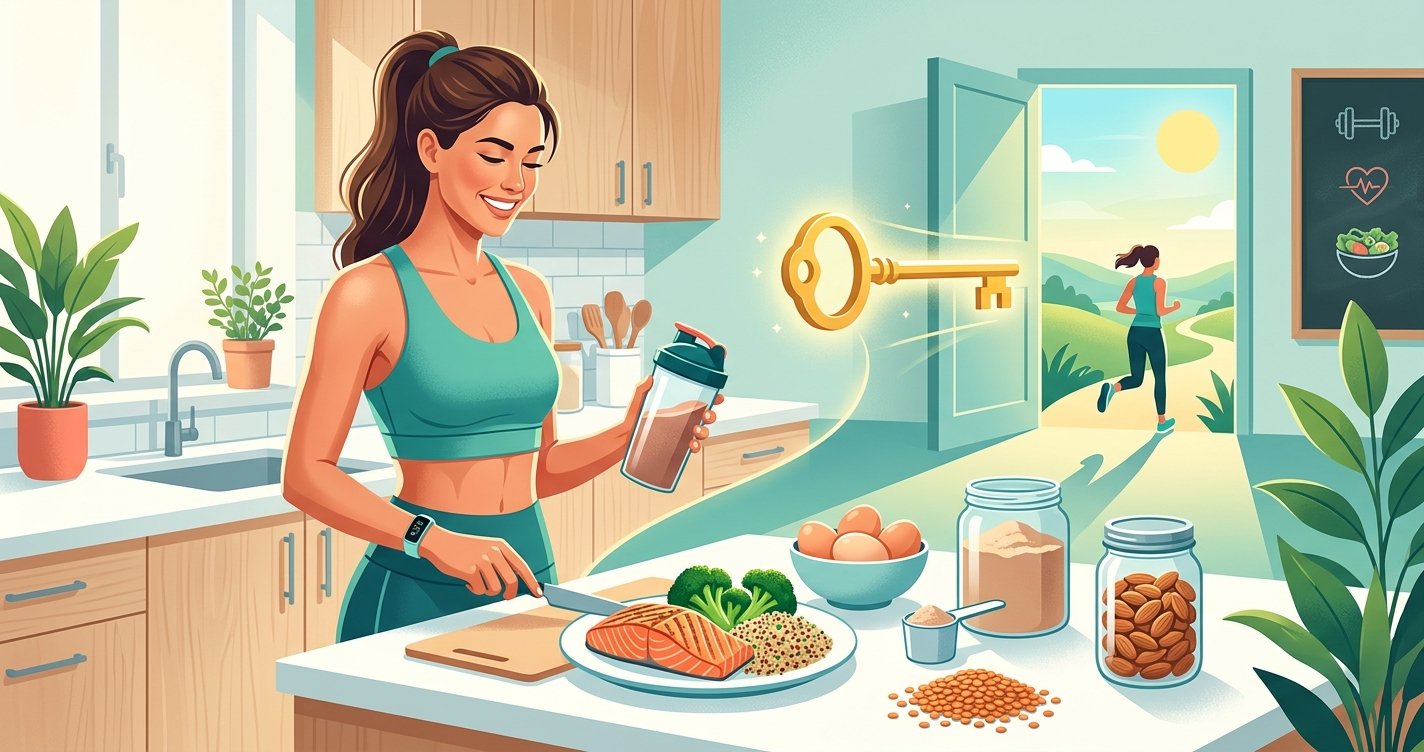
Tired of quick fixes and diets that promise the world but deliver only frustration? If you're ready to embrace a science-backed, sustainable approach to fat loss that actually works and lasts, you've come to the right place. Forget extreme restrictions and confusing rules. We're going to dive into the two foundational pillars of effective fat loss: creating a smart calorie deficit and harnessing the incredible power of protein. These aren't fads; they're the bedrock of healthy, sustainable results, delivered in a friendly, encouraging, and evidence-based way.
The Foundation: Understanding the Calorie Deficit
Let's start with the absolute non-negotiable truth of fat loss: you must be in a calorie deficit. Simply put, a calorie deficit means you're consistently consuming fewer calories than your body burns each day. Think of your body as a car and calories as fuel. If you put in less fuel than you use, the car eventually taps into its reserves – which, for us, means stored body fat. this excellent wellness product
It sounds simple, and in principle, it is. Your body burns calories for everything: breathing, thinking, digesting food, and moving around. This total energy expenditure is often referred to as your Total Daily Energy Expenditure (TDEE). To lose fat, your calorie intake needs to be consistently below your TDEE. Without this fundamental principle in place, no amount of 'superfoods' or specific exercises will lead to meaningful fat loss.
The good news? You don't need to starve yourself. A smart, moderate calorie deficit is far more effective and sustainable than a drastic one. We'll explore how to find your sweet spot shortly.
Your Secret Weapon: Why Protein is Non-Negotiable for Fat Loss
While the calorie deficit is the engine of fat loss, protein is your supercharger. It's often overlooked in favor of other macronutrients, but its role in successful, sustainable fat loss is absolutely critical. Let's break down why:
Satiety Powerhouse: Keeps You Fuller, Longer
One of the biggest challenges in a calorie deficit is managing hunger. This is where protein shines! Protein has a remarkable ability to keep you feeling full and satisfied for extended periods. It signals to your brain that you've eaten enough, reducing the urge to snack unnecessarily or overeat at your next meal. This makes adhering to your calorie goals significantly easier and more enjoyable.
Muscle Preservation: Protect Your Lean Mass
When you're in a calorie deficit, your body can sometimes break down muscle tissue for energy, not just fat. This is the last thing you want! Muscle is metabolically active, meaning it burns more calories at rest than fat does. A higher muscle mass supports a healthier metabolism and a leaner physique. Adequate protein intake during fat loss helps protect your precious muscle tissue, ensuring that the weight you lose is primarily fat, not muscle.
The Thermic Effect of Food (TEF): Burn More Calories Digesting
Did you know your body burns calories just to digest and process the food you eat? This is called the Thermic Effect of Food (TEF). Protein has the highest TEF of all macronutrients. Approximately 20-30% of the calories from protein are burned during its digestion and absorption, compared to 5-10% for carbohydrates and 0-3% for fats. This means by simply eating more protein, you're giving your metabolism a little boost!
- Summary of Protein Benefits for Fat Loss:
- Increased satiety, reducing hunger and cravings.
- Preservation of lean muscle mass during weight loss.
- Higher thermic effect, boosting calorie expenditure.
- Supports muscle repair and growth (especially important if you're exercising).
- Helps stabilize blood sugar levels.
Crafting Your Calorie Deficit: How to Find Your Sweet Spot
So, how do you create a calorie deficit without feeling deprived? The key is moderation and consistency. Drastic calorie cuts are unsustainable, can lead to nutrient deficiencies, and often result in rebound weight gain.
A good starting point for a sustainable calorie deficit is typically 300-500 calories below your estimated TDEE. This allows for steady fat loss (around 1-2 pounds per week for most people) while providing enough energy for daily activities and exercise.
How to estimate your TDEE:
- Online Calculators: Use a reputable online TDEE calculator (search for 'TDEE calculator'). You'll input your age, gender, height, weight, and activity level. Remember, these are estimates, but they provide a solid starting point.
- Track for a Few Days: For even greater accuracy, try tracking your current food intake for 3-5 days without trying to restrict. If your weight is stable, the average calorie intake during these days is a good estimate of your maintenance calories.
Once you have your estimated TDEE, subtract 300-500 calories to get your target daily calorie intake for fat loss. Focus on hitting this target consistently, rather than aiming for perfection every single day.
Smart Food Choices: Eating for Satiety, Nutrients, and Enjoyment
While calories and protein are crucial, the quality of your food choices profoundly impacts your satiety, energy levels, and overall health. Prioritizing whole, unprocessed foods will make your fat loss journey much more enjoyable and successful.
- Lean Protein Sources:
- Chicken breast, turkey, lean beef
- Fish (salmon, cod, tuna)
- Eggs and egg whites
- Greek yogurt, cottage cheese
- Lentils, beans, tofu, tempeh (plant-based options)
- Whey or plant-based protein powders (for convenience)
- Complex Carbohydrates:
- Oats, quinoa, brown rice, whole-wheat bread
- Sweet potatoes, potatoes
- Plenty of vegetables and fruits
- Healthy Fats:
- Avocado
- Nuts and seeds (almonds, walnuts, chia seeds)
- Olive oil, avocado oil
- Fatty fish (salmon, mackerel)
By filling your plate with these nutrient-dense options, you'll feel fuller on fewer calories, provide your body with essential vitamins and minerals, and avoid the energy crashes associated with highly processed foods.
Beyond Calories and Protein: The Supporting Cast (Fiber & Hydration)
While protein and calorie management are the headliners, don't underestimate the supporting roles of fiber and water. They play crucial parts in making your fat loss journey smoother and more effective.
Fiber: The Unsung Hero of Satiety and Gut Health
Fiber is a type of carbohydrate that your body can't digest. It adds bulk to your food, which helps you feel full without adding many calories. Soluble fiber, in particular, forms a gel-like substance in your digestive tract, slowing down digestion and nutrient absorption, which can help stabilize blood sugar levels and reduce cravings.
- High-Fiber Food Examples:
- Whole grains (oats, barley, whole-wheat products)
- Legumes (beans, lentils, chickpeas)
- Fruits (berries, apples, pears)
- Vegetables (broccoli, Brussels sprouts, leafy greens)
- Nuts and seeds
Hydration: Your Body's Best Friend
Water is essential for virtually every bodily function, including metabolism. Staying well-hydrated can also help with satiety, as sometimes thirst can be mistaken for hunger. Drinking a glass of water before meals can help you feel fuller and potentially eat less. Furthermore, adequate hydration supports proper digestion, nutrient transport, and detoxification processes, all of which are vital for overall health and effective fat loss.
Sustainable Habits for Long-Term Success
Fat loss isn't just about what you eat; it's about building habits that support your goals long-term. Consistency trumps intensity every single time.
Meal Planning and Preparation
Taking time to plan your meals and prepare some food in advance can be a game-changer. It reduces decision fatigue, minimizes the likelihood of impulsive unhealthy choices, and ensures you have nutrient-dense, protein-rich options readily available when hunger strikes.
Mindful Eating
Slow down and truly savor your meals. Pay attention to your hunger and fullness cues. Are you truly hungry, or are you eating out of boredom, stress, or habit? Eating mindfully can help you recognize when you're satisfied, preventing overeating.
Patience and Consistency
Fat loss is a marathon, not a sprint. There will be good days and challenging days. Don't let a minor setback derail your entire journey. Focus on consistency over perfection. Trust the process, celebrate small victories, and remember your 'why.'
Common Pitfalls to Avoid on Your Journey
Even with the best intentions, it's easy to stumble. Being aware of common pitfalls can help you navigate your journey more smoothly:
- Over-Restricting: Cutting calories too drastically often leads to extreme hunger, nutrient deficiencies, and eventual binge eating.
- Ignoring Hunger Cues Completely: While a deficit is key, learning to differentiate true hunger from emotional eating is vital. Don't ignore genuine hunger; adjust your meal timing or food choices instead.
- Giving Up Too Soon: Fat loss is not linear. There will be plateaus. Don't get discouraged; reassess your intake, activity, and consistency.
- Comparing Yourself to Others: Everyone's body is different. Focus on your own progress and celebrate your unique journey.
- Falling for Fad Diets: Quick fixes rarely lead to lasting results. Stick to the evidence-based principles of calorie deficit and adequate protein.
Your Journey to Sustainable Fat Loss Starts Now
You now have the fundamental knowledge to embark on a truly sustainable and effective fat loss journey. By understanding the critical role of a calorie deficit and embracing the power of protein, you're setting yourself up for success, not just for a few weeks, but for life.
Remember, this isn't about deprivation; it's about smart choices, consistency, and nourishing your body in a way that supports your goals. Be patient, be kind to yourself, and trust the process. You have the power to transform your body and your health, one protein-packed, calorie-controlled meal at a time. Start today, and build the healthy, vibrant life you deserve!