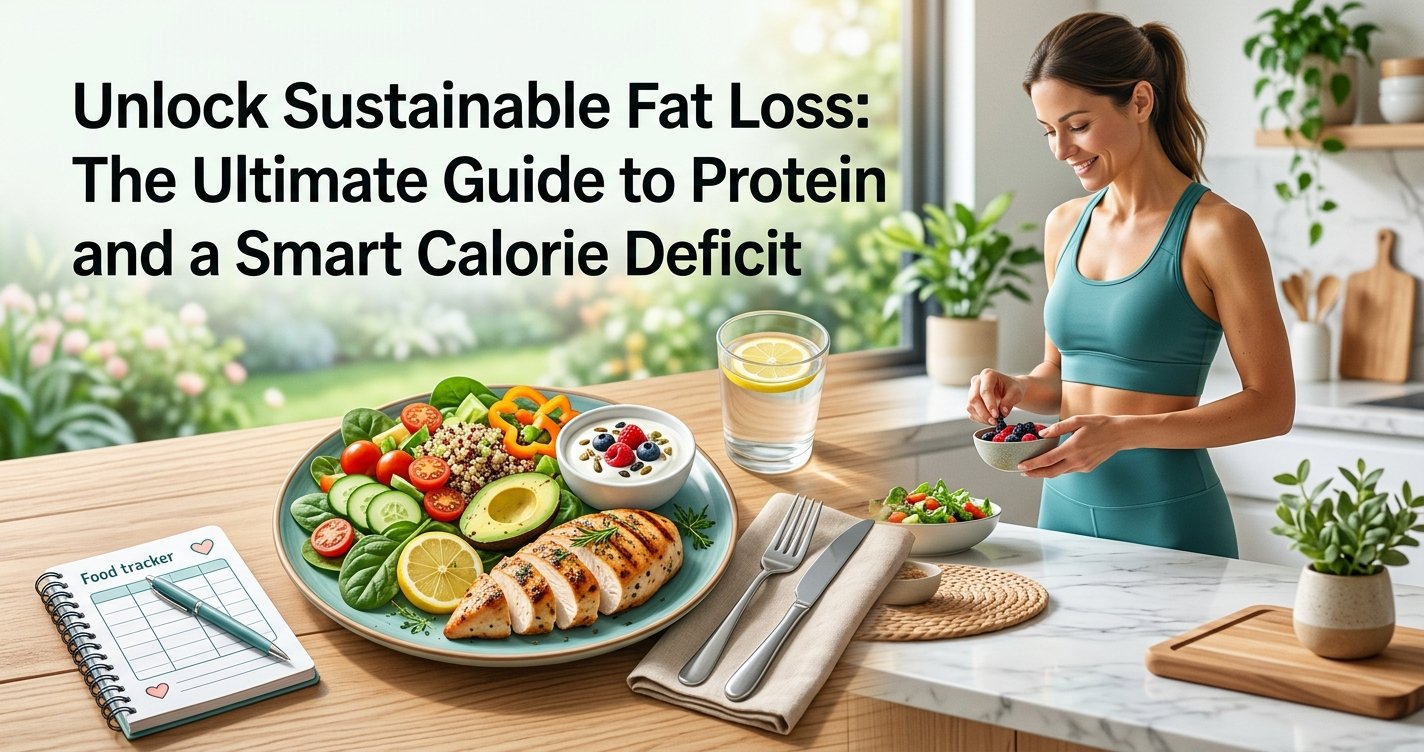
Tired of Yo-Yo Diets? Discover the Sustainable Path to Fat Loss!
Have you ever felt caught in the endless cycle of restrictive diets, only to see the numbers on the scale creep back up? You're not alone. Many people struggle with fat loss because they focus on quick fixes rather than fundamental, evidence-based strategies. But what if there was a simpler, more sustainable way to shed unwanted fat and keep it off, without feeling constantly deprived or exhausted?
The good news is, there is! While the fitness world often bombards us with complex theories and fleeting fads, the core principles of effective fat loss are surprisingly straightforward. Today, we're going to demystify two of the most powerful and often misunderstood pillars of sustainable fat loss: a smart calorie deficit and the incredible power of protein. Get ready to transform your approach and achieve lasting results! this excellent wellness product
The Non-Negotiable Foundation: Understanding the Calorie Deficit
Let's cut straight to the chase: if you want to lose fat, you need to be in a calorie deficit. This isn't a trendy diet rule; it's a fundamental law of thermodynamics. Simply put, a calorie deficit means you're consuming fewer calories than your body burns over a given period. When this happens, your body has no choice but to tap into its stored energy reserves – your fat cells – to make up the difference.
Think of your body as a car. If you put less fuel in than you burn on a trip, your car will eventually run out of gas. Similarly, if you provide less energy (calories) than your body needs to function and move, it will start burning its 'reserve fuel' (stored fat) to keep going. It's that simple, yet often overlooked in the quest for magic solutions.
How to Calculate Your Calorie Needs (And Create a Deficit)
So, how do you figure out your personal calorie sweet spot? It starts with understanding your Total Daily Energy Expenditure (TDEE). This is the total number of calories your body burns in a day, factoring in your Basal Metabolic Rate (BMR – calories burned at rest) and your activity level. While precise measurement requires specialized equipment, you can get a very good estimate using online TDEE calculators. Just plug in your age, gender, height, weight, and activity level.
Once you have your estimated TDEE, the next step is to create a moderate deficit. For sustainable fat loss, a deficit of 300-500 calories per day is generally recommended. This allows for steady progress (typically 1-2 pounds of fat loss per week) without causing extreme hunger, nutrient deficiencies, or excessive muscle loss. Avoid drastic cuts (e.g., more than 1000 calories below TDEE) as they can be detrimental to your metabolism, energy levels, and overall health.
- Start Small: Don't try to slash a massive amount of calories right away. A modest deficit is easier to maintain.
- Track for a Bit: Use a food tracking app for a week or two to understand your current intake. This isn't forever, just a learning tool.
- Smart Swaps: Look for easy ways to reduce calories without feeling deprived. Swap sugary drinks for water, opt for leaner protein sources, and increase your vegetable intake.
- Portion Control: Be mindful of serving sizes, especially for calorie-dense foods like oils, nuts, and grains.
Remember, this isn't a one-and-done calculation. Your TDEE can change as you lose weight or become more active. Regularly assess your progress and adjust your calorie intake as needed. The scale is one tool, but also pay attention to how your clothes fit, your energy levels, and how you feel.
The Mighty Macronutrient: Why Protein is Your Fat Loss Ally
While a calorie deficit is the engine of fat loss, protein is the fuel that keeps that engine running efficiently and ensures you're losing fat, not precious muscle. Protein is often hailed as the most important macronutrient for body composition, and for good reason. It plays several critical roles that make your fat loss journey smoother and more successful.
Satiety Powerhouse: Feeling Fuller for Longer
One of protein's greatest strengths is its ability to keep you feeling full and satisfied. Compared to carbohydrates and fats, protein has the highest satiety factor. This means that when you eat protein, your body releases hormones like PYY and GLP-1 that signal fullness to your brain, while simultaneously suppressing ghrelin, the 'hunger hormone'. The result? Fewer cravings, less mindless snacking, and an easier time sticking to your calorie deficit.
Muscle Preservation & Metabolism Boost
When you're in a calorie deficit, your body is looking for energy. Without adequate protein, it might start breaking down muscle tissue for fuel, especially if you're also exercising. This is detrimental because muscle is metabolically active – it burns more calories at rest than fat does. Preserving muscle mass is crucial for maintaining a healthy metabolism and ensuring that the weight you lose is primarily fat, not muscle.
Furthermore, protein has a higher Thermic Effect of Food (TEF) than carbs or fats. This means your body expends more energy (calories) digesting and metabolizing protein than it does for the other macronutrients. It's a small but significant boost to your overall calorie expenditure, helping you burn a little extra just by eating!
The Building Blocks: Repair and Recovery
If you're combining your nutrition strategy with exercise (which you absolutely should!), protein becomes even more vital. It provides the amino acids necessary for muscle repair and growth. After a workout, your muscles need protein to recover and adapt, becoming stronger and more resilient. This cycle of breakdown and repair is essential for maintaining an active lifestyle and supporting your overall health.
How Much Protein Do You Really Need for Fat Loss?
So, we know protein is important, but how much is enough? While general dietary guidelines suggest around 0.8 grams of protein per kilogram of body weight (0.36g/lb) for sedentary individuals, those aiming for fat loss, especially when active, often benefit from significantly more. Research suggests that consuming between 1.6 to 2.2 grams of protein per kilogram of body weight (or roughly 0.7 to 1.0 grams per pound of body weight) is optimal for muscle preservation and satiety during a calorie deficit.
For example, if you weigh 150 pounds, aiming for 105-150 grams of protein per day would be a good target. This might seem like a lot initially, but with smart food choices, it's very achievable.
- Lean Meats: Chicken breast, turkey, lean beef, pork loin.
- Fish: Salmon, tuna, cod, tilapia.
- Eggs: Whole eggs or egg whites.
- Dairy: Greek yogurt, cottage cheese, milk, whey protein.
- Legumes & Lentils: Beans, chickpeas (great plant-based options).
- Tofu & Tempeh: Excellent for vegetarians and vegans.
- Protein Powder: A convenient way to boost intake, especially post-workout or as a snack.
Practical Strategies for Implementing a High-Protein, Calorie-Controlled Diet
Knowing the science is one thing; putting it into practice is another. Here are some actionable tips to help you integrate a smart calorie deficit and high-protein intake into your daily life:
Smart Meal Planning & Preparation
Failing to plan is planning to fail. Take some time each week to plan your meals and snacks. Create a grocery list based on your plan and stick to it. Batch cooking protein sources like chicken breast, hard-boiled eggs, or lentils can save you a lot of time and effort during busy weekdays.
Prioritize Protein at Every Meal
Instead of just adding protein, make it the centerpiece of your meals. Aim to include a good source of protein in your breakfast, lunch, dinner, and even your snacks. This ensures a steady supply of amino acids throughout the day and helps manage hunger.
- Breakfast Ideas: Scrambled eggs with veggies, Greek yogurt with berries and a scoop of protein powder, cottage cheese with fruit.
- Lunch/Dinner Ideas: Chicken salad, baked salmon with roasted vegetables, lentil soup with whole-grain bread, lean beef stir-fry.
- Snack Ideas: A handful of almonds, a protein shake, a slice of turkey, a small container of cottage cheese.
Hydration and Fiber: Your Supporting Cast
While not primary macronutrients, water and fiber play crucial roles. Staying well-hydrated can help with satiety, energy levels, and overall bodily functions. Fiber, found in fruits, vegetables, and whole grains, also contributes to fullness, aids digestion, and can help stabilize blood sugar levels, preventing energy crashes and cravings.
Mindful Eating and Listening to Your Body
Even with the best meal plan, mindful eating is key. Eat slowly, savor your food, and pay attention to your body's hunger and fullness cues. Avoid eating while distracted (e.g., watching TV, scrolling on your phone). This practice can help you recognize when you're truly satisfied, preventing overeating.
Beyond Calories and Protein: The Holistic Picture
While a calorie deficit and adequate protein are the cornerstones of fat loss, it's important to remember that they operate within a larger system – your body. For truly sustainable and healthy results, consider these other vital components:
- Quality Sleep: Lack of sleep can wreak havoc on your hunger hormones (ghrelin and leptin), making you hungrier and more prone to cravings. Aim for 7-9 hours of quality sleep per night.
- Stress Management: Chronic stress elevates cortisol levels, which can promote fat storage, especially around the midsection. Incorporate stress-reducing activities like meditation, yoga, or spending time in nature.
- Regular Movement and Exercise: While diet is paramount for fat loss, exercise complements it beautifully. Strength training, in particular, is excellent for preserving and building muscle mass, which supports your metabolism. Cardiovascular exercise contributes to your calorie deficit and improves heart health.
- Consistency and Patience: Fat loss is a journey, not a race. There will be ups and downs. Consistency over time is far more effective than sporadic bursts of extreme effort. Be patient with yourself and the process.
Overcoming Challenges and Staying Motivated
No fat loss journey is without its challenges. Plateaus will happen, social events can feel tricky, and motivation might wane. Here's how to navigate them:
- Track More Than Just the Scale: Take progress photos, measure your waist and hips, notice how your clothes fit, and celebrate non-scale victories like increased energy or strength.
- Seek Support: Share your goals with a trusted friend, family member, or join a supportive community. Having accountability can make a huge difference.
- Learn from Setbacks: Don't view a deviation from your plan as a failure. It's an opportunity to learn what triggers you and how you can better prepare next time. Get back on track with your next meal.
- Be Kind to Yourself: This is a journey of self-improvement, not self-punishment. Practice self-compassion and celebrate every step forward, no matter how small.
Your Sustainable Fat Loss Journey Starts Now!
You now have the knowledge and tools to approach fat loss in a way that is not only effective but also sustainable and healthy. By mastering the art of the calorie deficit and harnessing the power of protein, you're setting yourself up for success that lasts far beyond any temporary diet.
Embrace these evidence-based principles, be patient and consistent, and listen to your body. Your journey to a healthier, happier you begins with smart choices, not extreme restrictions. Take that first step today, and watch as you build a foundation for lifelong well-being!