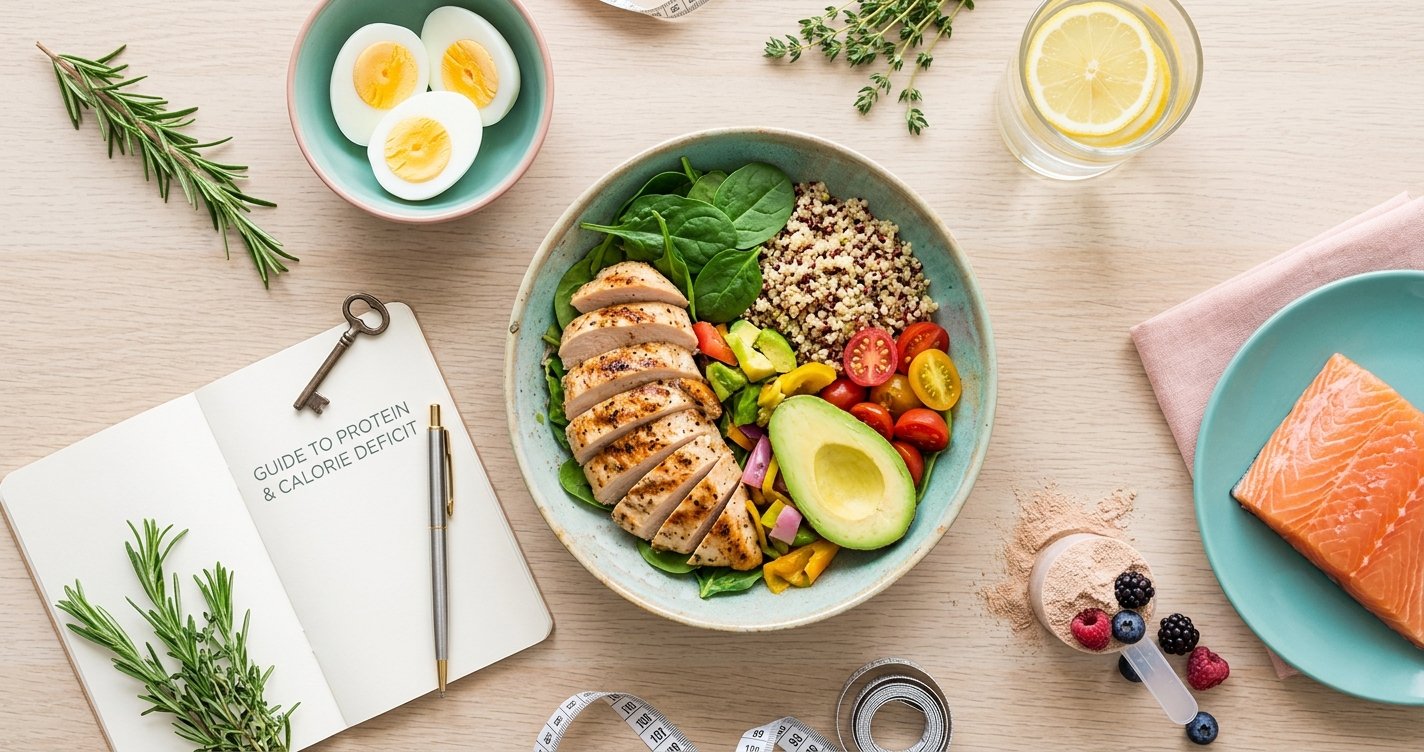
Are you tired of quick-fix diets that promise the world but deliver fleeting results? Do you feel overwhelmed by conflicting information on how to truly lose fat and keep it off? You're not alone. The journey to sustainable fat loss can feel like navigating a maze, but what if we told you there are two fundamental, evidence-based pillars that simplify the entire process?
Welcome to the ultimate guide where we'll demystify the science behind sustainable fat loss, focusing on two incredibly powerful strategies: mastering the calorie deficit and harnessing the immense power of protein. Forget the fads; these are the foundational principles that science consistently supports, and understanding them will empower you to achieve lasting results. Let's dive in! this excellent wellness product
Understanding the Calorie Deficit: The Golden Rule of Fat Loss
At its core, fat loss boils down to a simple equation: energy in vs. energy out. To lose fat, your body needs to burn more calories than it consumes. This state is known as a calorie deficit, and it's the non-negotiable bedrock of any effective fat loss strategy.
What is a Calorie Deficit?
Imagine your body as a car. To move, it needs fuel (calories). If you put in exactly enough fuel for your daily commute, you maintain your current fuel level. If you put in less fuel than you burn, your car starts tapping into its reserves – and for your body, those reserves are stored fat.
Every day, your body burns a certain number of calories just to exist (breathing, circulating blood, thinking) – this is your Basal Metabolic Rate (BMR). Add in the calories you burn through daily activities, exercise, and even digesting food, and you get your Total Daily Energy Expenditure (TDEE). To create a calorie deficit, you simply need to consume fewer calories than your TDEE.
How to Calculate Your Calorie Deficit (Simply!)
While precise calculations can be complex, you don't need to be a mathematician to get started. Here's a practical approach:
- Estimate Your TDEE: Use an online TDEE calculator (many reputable fitness websites offer them). Input your age, sex, height, weight, and activity level. This will give you an estimated daily calorie maintenance number.
- Subtract for a Deficit: For sustainable fat loss, aim for a deficit of 250-500 calories below your TDEE.
- Example: If your TDEE is 2500 calories, aiming for 2000-2250 calories per day would create a healthy deficit.
Why 250-500 calories? This range allows for steady, sustainable fat loss (typically 0.5-1 pound per week) without feeling overly deprived or triggering metabolic adaptations that can hinder progress. Remember, slow and steady wins the race!
The Power of Protein: Your Secret Weapon for Fat Loss
While a calorie deficit is essential, how you achieve that deficit matters immensely. This is where protein steps in as your ultimate ally. Protein isn't just for bodybuilders; it's a critical macronutrient that plays a multifaceted role in successful, sustainable fat loss.
Why Protein is Crucial for Fat Loss
Let's break down the science-backed benefits of prioritizing protein:
- Satiety & Hunger Control: Protein is king when it comes to keeping you feeling full and satisfied. It slows down digestion and impacts hormones that signal fullness (like PYY and GLP-1), helping to curb cravings and prevent overeating. When you feel full, you're less likely to snack on calorie-dense, nutrient-poor foods, making it easier to stick to your calorie deficit.
- Higher Thermic Effect of Food (TEF): Your body expends energy to digest, absorb, and metabolize the food you eat. This is called the Thermic Effect of Food (TEF). Protein has a significantly higher TEF than carbohydrates or fats. This means you burn more calories just by eating protein-rich foods!
- Muscle Preservation: When you're in a calorie deficit, your body can sometimes break down muscle tissue for energy, not just fat. Adequate protein intake, especially when combined with resistance training, helps to signal your body to preserve precious muscle mass. Why is this important? Muscle is metabolically active, meaning it burns more calories at rest than fat tissue. Preserving muscle helps keep your metabolism humming along.
- Repair and Recovery: Protein is the building block for all your tissues, including muscles. If you're exercising as part of your fat loss journey, sufficient protein intake is vital for muscle repair and recovery, helping you bounce back stronger for your next workout.
How Much Protein Do You Really Need?
For fat loss, general recommendations often suggest higher protein intake than for general health. Evidence suggests aiming for approximately 1.6 to 2.2 grams of protein per kilogram of body weight per day (or roughly 0.7 to 1 gram per pound of body weight). If you're very active or significantly restricting calories, you might even benefit from the higher end of this range.
Example: A person weighing 70 kg (approx. 154 lbs) might aim for 112-154 grams of protein daily.
Practical Strategies to Implement Protein & Calorie Deficit
Understanding the science is one thing; putting it into practice is another. Here are actionable steps to integrate these powerful principles into your daily life:
Smart Food Choices: Prioritizing Nutrient-Dense Foods
Focus on whole, unprocessed foods that are naturally rich in protein and nutrients:
- Lean Protein Sources: Chicken breast, turkey, lean beef, fish (salmon, tuna, cod), eggs, Greek yogurt, cottage cheese, lentils, beans, tofu, tempeh, edamame.
- Fiber-Rich Vegetables: Broccoli, spinach, kale, bell peppers, zucchini, carrots. These add volume and nutrients with minimal calories, helping you feel full.
- Healthy Fats (in moderation): Avocados, nuts, seeds, olive oil. Essential for overall health, but remember they are calorie-dense, so portion control is key.
- Complex Carbohydrates: Oats, quinoa, brown rice, sweet potatoes. Provide sustained energy.
Minimize sugary drinks, processed snacks, fast food, and excessive added sugars, as these often contribute significant calories without much nutritional value or satiety.
Meal Planning and Preparation
Consistency is key. Planning your meals ahead of time can dramatically increase your success rate:
- Batch Cook: Dedicate a few hours each week to prepare protein sources (e.g., grilled chicken, hard-boiled eggs) and chop vegetables.
- Plan Your Meals: Decide what you'll eat for breakfast, lunch, dinner, and snacks for the week. This reduces decision fatigue and impulse eating.
- Track (Initially): For a few weeks, consider using a food tracking app to get an accurate idea of your calorie and protein intake. This helps build awareness and ensures you're hitting your targets.
Mindful Eating and Portion Control
Even with the right foods, how you eat them matters:
- Listen to Your Body: Eat when you're hungry, stop when you're satisfied, not stuffed.
- Eat Slowly: Savor your food. It takes about 20 minutes for your brain to register fullness.
- Use Smaller Plates: A simple trick to make portions look larger.
- Measure Occasionally: Especially for calorie-dense foods like nuts, oils, or dressings, occasional measuring can help recalibrate your perception of a serving size.
Beyond the Basics: What Else Matters?
While calorie deficit and protein are foundational, other lifestyle factors significantly support your fat loss journey.
Hydration, Sleep, and Stress Management
- Hydration: Drinking plenty of water can help with satiety, boost metabolism slightly, and support overall bodily functions.
- Sleep: Poor sleep disrupts hormones that regulate hunger (ghrelin and leptin), leading to increased cravings and reduced willpower. Aim for 7-9 hours of quality sleep.
- Stress: Chronic stress can elevate cortisol, a hormone linked to increased fat storage, especially around the belly. Practice stress-reducing activities like meditation, yoga, or spending time in nature.
Incorporating Movement (Don't Forget Strength Training!)
While you can lose weight with diet alone, exercise accelerates fat loss, improves body composition, and offers numerous health benefits:
- Resistance Training: Crucial for building and preserving muscle mass, which as we discussed, boosts your metabolism. Aim for 2-4 sessions per week.
- Cardio: Great for burning extra calories and improving cardiovascular health. Find activities you enjoy!
Overcoming Challenges and Staying Motivated
The path to sustainable fat loss isn't always linear. There will be plateaus, slips, and moments of frustration. Here’s how to navigate them:
- Patience and Consistency: Fat loss takes time. Celebrate small victories and focus on consistent effort rather than perfection.
- Be Flexible: Life happens! Don't let one off-plan meal derail your entire week. Get back on track with your next meal.
- Adjust as Needed: If you hit a plateau, reassess your calorie intake and activity levels. Your body adapts, so you may need to make slight adjustments to continue progressing.
- Seek Support: Connect with a friend, join a community, or consider working with a registered dietitian or certified personal trainer for personalized guidance.
Your Sustainable Fat Loss Journey Starts Now!
You now have the fundamental tools to embark on a truly sustainable fat loss journey. By understanding and consistently applying the principles of a moderate calorie deficit and prioritizing protein intake, you're setting yourself up for success that lasts far beyond any crash diet.
Remember, this isn't about deprivation; it's about empowerment through informed choices. It's about nourishing your body, feeling satisfied, and building a healthier, stronger you. Take these insights, apply them with patience and consistency, and watch as you transform your body and your relationship with food for good. You've got this!