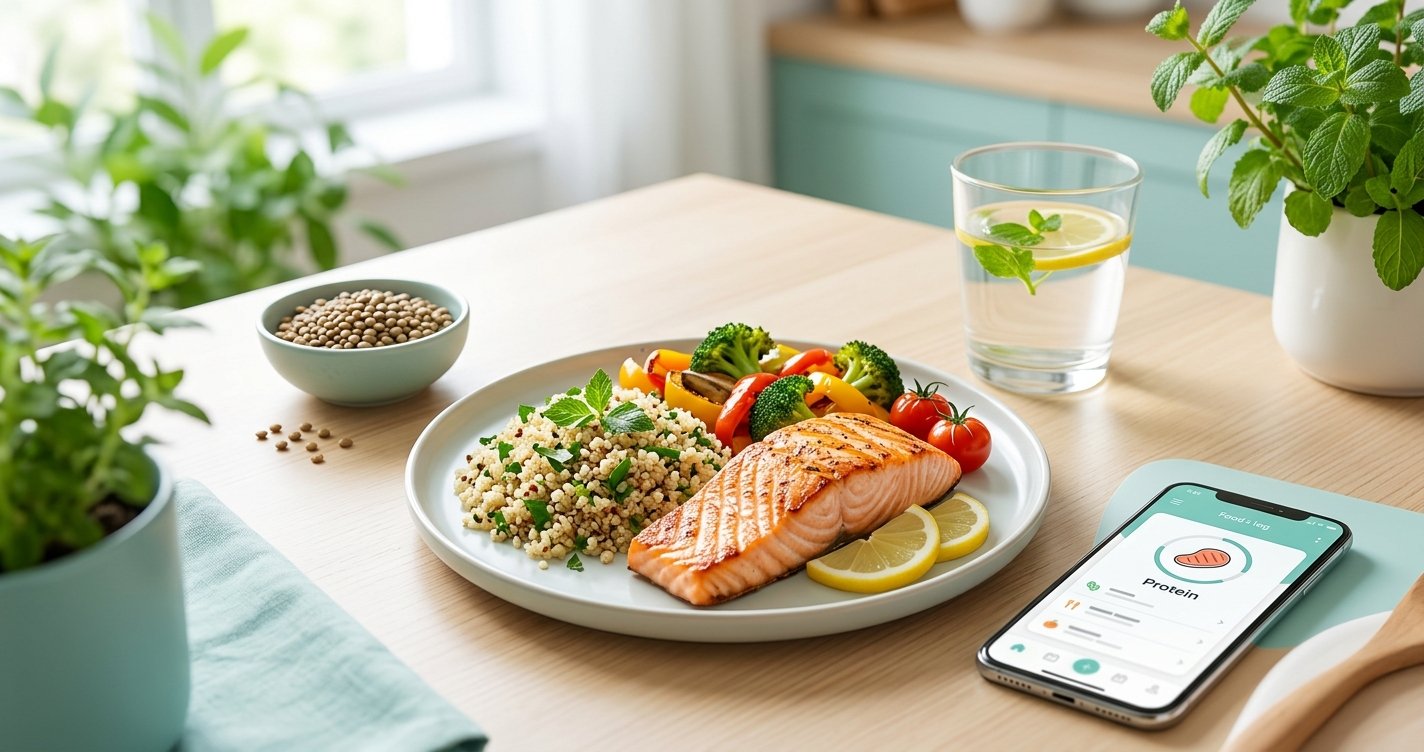
Are you tired of diet fads that promise the moon but deliver only frustration? Do you feel stuck in a cycle of restrictive eating followed by regaining all the weight you lost? If so, you're not alone. The journey to sustainable fat loss can feel overwhelming, but it doesn't have to be. Forget the complicated rules and expensive supplements. The truth about effective, lasting fat loss boils down to a few fundamental, evidence-based principles, with two stars shining brightest: mastering your calorie deficit and harnessing the power of protein.
This guide will cut through the noise, providing you with a clear, friendly, and science-backed roadmap to achieving your fat loss goals. We’ll explore why these two pillars are non-negotiable for not just losing weight, but losing fat specifically, while preserving your hard-earned muscle and boosting your overall health. Get ready to transform your approach to nutrition and build habits that stick for life! this excellent wellness product
Understanding the Calorie Deficit: The Golden Rule of Fat Loss
Let's start with the absolute bedrock of fat loss: the calorie deficit. Simply put, a calorie deficit means consuming fewer calories than your body expends in a day. It’s a fundamental law of thermodynamics applied to your body: if you consistently provide less energy (calories) than your body needs to function and fuel its activities, your body will tap into its stored energy reserves – primarily body fat – to make up the difference. This is the only way fat loss occurs.
How to Approach Your Calorie Deficit Smartly
- Don't Drastically Cut: A severe deficit can be counterproductive, leading to muscle loss, nutrient deficiencies, extreme hunger, and a slowed metabolism. Aim for a moderate deficit of 300-500 calories below your maintenance level for steady, sustainable fat loss (typically 1-2 pounds per week) without feeling deprived.
- Estimate Your Maintenance Calories: Use online calculators (search for "TDEE calculator") as a starting point. These tools estimate how many calories you burn daily based on your age, gender, weight, height, and activity level.
- Track and Adjust: For a week or two, track your food intake and monitor your weight. If your weight is stable, that’s roughly your maintenance. Then, subtract 300-500 calories. Remember, these are estimates, and your body adapts, so regular adjustments based on progress are key.
Why Protein is Your Best Friend for Fat Loss
While a calorie deficit dictates whether you lose weight, protein largely dictates what kind of weight you lose. Protein is a macronutrient powerhouse, playing several critical roles that make it indispensable for successful fat loss.
1. Satiety and Hunger Control
Managing hunger and cravings is a major challenge in a calorie deficit. Protein is king here. Research consistently shows that protein is the most satiating macronutrient, helping you feel fuller for longer compared to carbohydrates or fats. A high-protein diet can significantly reduce appetite and overall calorie intake, making it easier to stick to your deficit without constant hunger.
2. Muscle Preservation
In a calorie deficit, your body can break down both fat and muscle for energy. Losing muscle mass is detrimental: it can slow your metabolism, make you look "skinny fat," and hinder your strength. Adequate protein intake, especially combined with resistance training, signals to your body to preserve muscle tissue, ensuring the majority of weight lost comes from fat.
3. The Thermic Effect of Food (TEF)
Digesting food itself burns calories – this is the Thermic Effect of Food (TEF). Protein has the highest TEF of all macronutrients. Approximately 20-30% of the calories you consume from protein are used just to digest and metabolize it, compared to carbs (5-10%) and fats (0-3%). This gives a high-protein diet a slight metabolic advantage, burning more calories throughout the day without extra effort.
Practical Protein Power: How Much and From Where?
Now that you understand why protein is so important, let's talk about how much you need and the best sources.
How Much Protein Do You Need?
For fat loss and muscle preservation, aim for a higher protein intake than standard recommendations. A good target for most active individuals looking to lose fat is around 1.6 to 2.2 grams of protein per kilogram of body weight (or 0.7 to 1.0 grams per pound of body weight). For example, a person weighing 150 pounds (approx. 68 kg) would aim for roughly 105-150 grams of protein per day.
- Spread it Out: Distribute your protein intake relatively evenly across 3-5 meals or snacks throughout the day. This optimizes muscle protein synthesis and keeps you feeling fuller.
- Prioritize Protein at Each Meal: Make protein the cornerstone of every meal. Think about your protein source first, then build your meal around it.
Excellent Protein Sources:
- Lean Meats: Chicken breast, turkey, lean beef, pork tenderloin.
- Fish and Seafood: Salmon, tuna, cod, shrimp, sardines.
- Eggs: Whole eggs are packed with nutrients and protein.
- Dairy: Greek yogurt, cottage cheese, milk, whey protein powder.
- Legumes: Lentils, beans, chickpeas (also great sources of fiber!).
- Plant-Based Proteins: Tofu, tempeh, edamame, seitan, plant-based protein powders.
Beyond Calories and Protein: The Role of Fiber, Healthy Fats, and Hydration
While calorie deficit and protein are the leading stars, a holistic approach to nutrition is crucial for overall health and sustainable fat loss. Don't neglect these supporting actors:
- Fiber-Rich Foods: Found in fruits, vegetables, whole grains, and legumes, fiber adds bulk to your meals, promoting satiety and aiding digestion. It's a secret weapon for managing hunger in a calorie deficit.
- Healthy Fats: Essential for hormone production, nutrient absorption, and cell function. Include sources like avocados, nuts, seeds, and olive oil in moderation. While calorie-dense, healthy fats contribute to satiety and overall well-being.
- Hydration: Drinking plenty of water is often overlooked but incredibly important. It can help manage hunger (thirst is sometimes mistaken for hunger), support metabolism, and keep your body functioning optimally. Aim for at least 8 glasses a day, more if you're active.
Navigating Challenges: Hunger, Cravings, and Plateaus
The path to fat loss isn't always smooth. You'll encounter hurdles, but knowing how to navigate them is key.
- Managing Hunger:
- Increase high-volume, low-calorie foods (vegetables!).
- Drink water before meals.
- Ensure adequate protein and fiber at each meal.
- Consider time-restricted eating if it suits your lifestyle.
- Conquering Cravings:
- Don't ban foods entirely; this can lead to binging. Allow for occasional treats in moderation.
- Find healthier alternatives (e.g., Greek yogurt with berries).
- Distract yourself – often a craving passes after 15-20 minutes.
- Ensure you're not overly restrictive with your overall calories.
- Breaking Plateaus:
- Re-evaluate your calorie intake; your body adapts, and you might need to slightly reduce calories.
- Increase your activity level.
- Ensure adequate sleep and manage stress, as these impact fat loss hormones.
- Consider a "diet break" (a week or two at maintenance calories) to reset your metabolism and mental state.
Building Sustainable Habits: It's a Marathon, Not a Sprint
True fat loss isn't about a quick fix; it's about building a lifestyle that supports your health goals long-term. Consistency trumps perfection every single time.
- Focus on Progress, Not Perfection: One "bad" meal or day won't derail your progress. Get back on track with your next meal.
- Listen to Your Body: Learn your hunger and fullness cues. Understand what foods make you feel energized and satisfied.
- Be Patient: Fat loss takes time. Celebrate small victories and trust the process.
- Combine with Activity: While nutrition is king for fat loss, incorporating regular physical activity (especially strength training) will accelerate your results, improve body composition, and boost overall health.
- Seek Support: Whether it's a friend, family member, or a professional, having a support system can make a huge difference.
Your Journey Starts Now: Embrace the Power of Knowledge
Sustainable fat loss isn't a mystery; it's a science, beautifully simple in its core principles. By understanding and consistently applying the power of a calorie deficit and prioritizing protein intake, you're not just embarking on another diet – you're adopting a sustainable, evidence-based strategy for long-term success.
Remember, this is your journey. Be kind to yourself, stay consistent, and trust that with these powerful tools in your arsenal, you have everything you need to achieve your fat loss goals and maintain a healthier, happier you for years to come. Start small, make one change today, and watch as those small steps lead to incredible transformations.