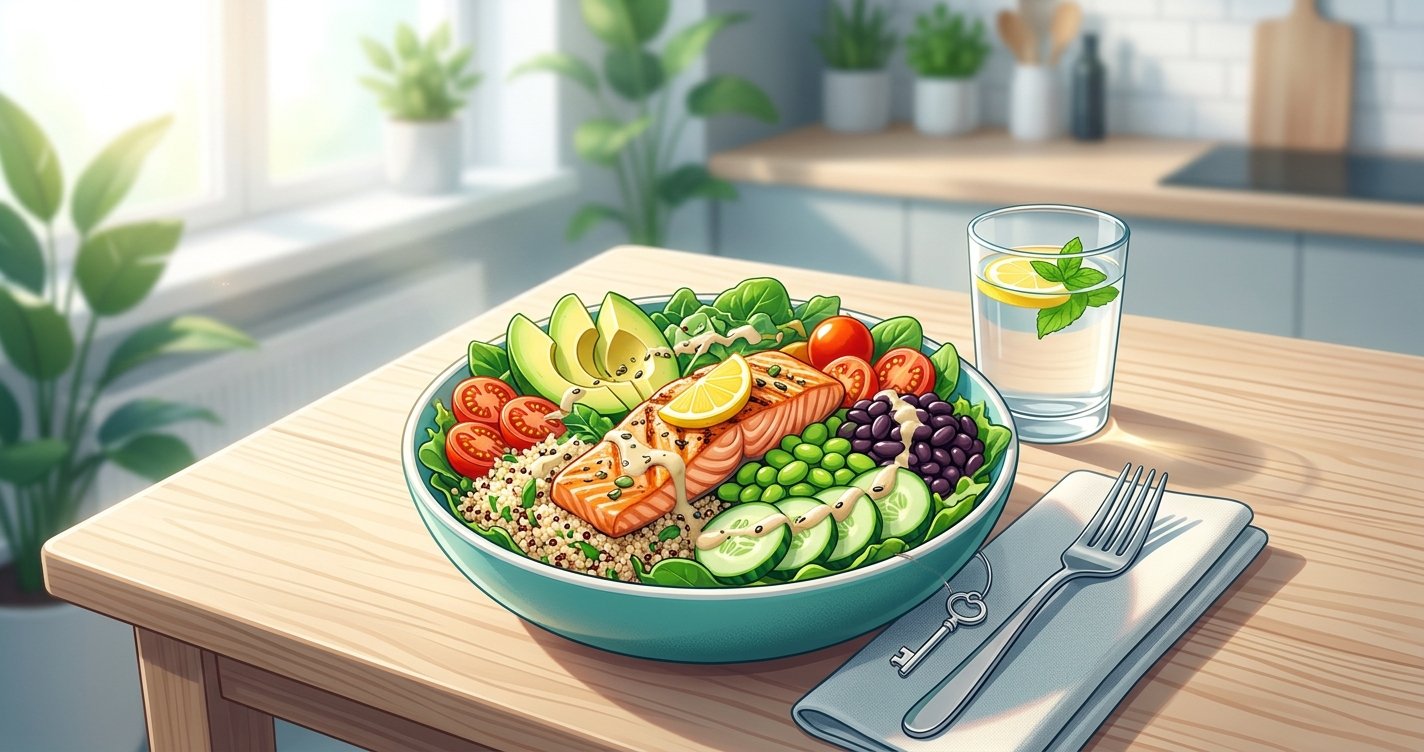
Unlock Sustainable Fat Loss: The Power of Protein and Smart Calorie Choices
Embarking on a fat loss journey can feel like navigating a complex maze, filled with confusing diets, conflicting advice, and the ever-present temptation of quick fixes. Many people jump from one extreme to another, only to find themselves back where they started, feeling frustrated and discouraged. But what if there was a simpler, more sustainable path to achieving your fat loss goals – one rooted in evidence, kindness to your body, and lasting results?
The good news is, there is! Forget the fads and restrictive rules for a moment. Today, we're going to dive into two of the most powerful, yet often misunderstood, pillars of sustainable fat loss: understanding your calorie intake and harnessing the incredible power of protein. These aren't just buzzwords; they're the foundational elements that will empower you to transform your body not just for a season, but for life. Ready to build a healthier, stronger you? this excellent wellness product
The Core Equation: Why Calories Still Count (And How to Make Them Work For You)
Let's get straight to it: at its heart, fat loss boils down to a calorie deficit. This means consistently consuming fewer calories than your body burns. Think of your body as a sophisticated energy system. If you give it less fuel than it needs to operate, it will start to tap into its stored energy reserves – and those reserves are primarily fat.
Now, before you groan and imagine tedious calorie counting, let's reframe this. Understanding calories isn't about deprivation; it's about awareness and empowerment. It's about making informed choices that align with your goals, rather than blindly following a diet that might leave you hungry and unsatisfied.
Understanding Your Caloric Needs: A Starting Point
Everyone's body is unique, and so are their caloric needs. Factors like your age, sex, current weight, height, activity level, and metabolism all play a role. While precise calculations can be complex, you can get a good estimate of your Total Daily Energy Expenditure (TDEE) using online calculators. This number represents the calories your body burns in a day, including basic functions (like breathing and digestion) and physical activity.
Once you have your TDEE, aiming for a modest deficit of 300-500 calories below that number is a great starting point for sustainable fat loss. This allows for steady progress without feeling overly restricted, which is crucial for long-term adherence.
Protein: Your Secret Weapon for Sustainable Fat Loss
If there's one nutrient that deserves a spotlight in any fat loss journey, it's protein. This powerhouse macronutrient does so much more than just build muscles; it's a vital ally in helping you shed fat and keep it off. Let's explore why.
Satiety Powerhouse: Stay Fuller, Longer
One of protein's biggest advantages is its ability to promote satiety – that feeling of fullness and satisfaction after a meal. Compared to carbohydrates and fats, protein takes longer to digest, sending signals to your brain that you're satisfied. This means fewer cravings, less mindless snacking, and ultimately, easier adherence to your calorie goals.
Muscle Protection: Preserve Your Metabolism
When you're in a calorie deficit, your body can sometimes break down muscle tissue for energy, not just fat. This is undesirable because muscle is metabolically active, meaning it burns more calories at rest than fat does. A higher protein intake helps to preserve your precious muscle mass, ensuring that the weight you lose is primarily fat, and keeping your metabolism humming along.
The Thermic Effect of Food (TEF): Burn More Calories Just By Eating
Did you know that your body expends energy just to digest, absorb, and metabolize the food you eat? This is known as the Thermic Effect of Food (TEF). Protein has the highest TEF of all macronutrients, meaning your body burns more calories processing protein-rich foods than it does processing carbs or fats. It's like a mini metabolic boost with every protein-packed meal!
How Much Protein Do You Really Need?
For fat loss, general recommendations range from 0.7 to 1.0 grams of protein per pound of your target body weight (or current lean body mass). For example, if you weigh 150 lbs, aiming for 105-150 grams of protein per day can be highly effective. Distribute your protein intake throughout the day across your meals and snacks to maximize its benefits.
- Lean Meats: Chicken breast, turkey, lean beef, pork tenderloin
- Fish and Seafood: Salmon, cod, shrimp, tuna
- Eggs: Whole eggs or egg whites
- Dairy: Greek yogurt, cottage cheese, milk
- Legumes: Lentils, beans, chickpeas
- Plant-Based Options: Tofu, tempeh, edamame, protein powder
Smart Calorie Choices: Beyond Just Numbers
While a calorie deficit is fundamental, the quality of those calories matters immensely. Not all calories are created equal when it comes to satiety, nutrient density, and overall health. Focusing on nutrient-dense foods will make your fat loss journey far more effective and enjoyable.
Focus on Whole, Unprocessed Foods
Prioritize whole foods that are minimally processed. Think fruits, vegetables, lean proteins, whole grains, and healthy fats. These foods are packed with vitamins, minerals, and fiber, which contribute to overall health and help you feel full without excessive calories. Processed foods, on the other hand, often contain empty calories, added sugars, unhealthy fats, and lack the nutrients your body truly needs.
Don't Fear Healthy Fats & Smart Carbs
In the pursuit of fat loss, many mistakenly cut out entire food groups. However, healthy fats (like avocados, nuts, seeds, olive oil) are crucial for hormone production, nutrient absorption, and satiety. Complex carbohydrates (like oats, brown rice, quinoa, sweet potatoes) provide sustained energy and fiber. The key is balance and portion control. Integrate these into your diet thoughtfully.
Fiber's Role: The Unsung Hero
Fiber, found in abundance in fruits, vegetables, whole grains, and legumes, is another powerful ally. It adds bulk to your meals, aiding digestion and promoting a feeling of fullness. This means you can eat a larger volume of food for fewer calories, making adherence to your deficit much easier.
Putting It All Together: Practical Strategies for Success
Knowledge is power, but application is transformation. Here’s how to integrate these principles into your daily life for lasting fat loss.
Meal Planning & Preparation: Your Blueprint for Success
Take time each week to plan your meals. Decide what you’ll eat for breakfast, lunch, dinner, and snacks. Then, prepare as much as you can in advance. Batch cooking protein sources (chicken, lentils), chopping vegetables, and portioning out snacks can save you immense time and prevent impulsive, unhealthy choices when hunger strikes.
Tracking Your Intake (Initially): Awareness, Not Obsession
For a period, consider tracking your food intake using an app. This isn't about becoming obsessive, but about building awareness. You might be surprised at the calorie content of certain foods or how little protein you're actually consuming. This data empowers you to make adjustments and learn what works best for your body. Once you've developed a good sense of portion sizes and nutrient content, you can ease off the tracking.
Hydration is Key: Don't Forget Water
Often overlooked, adequate water intake is vital for fat loss. Water helps with metabolism, nutrient transport, and can even help you feel fuller. Sometimes, what we perceive as hunger is actually thirst. Aim for at least 8 glasses of water a day, and consider drinking a glass before meals.
Listen to Your Body: Hunger & Fullness Cues
Beyond tracking, cultivate mindfulness around your eating. Learn to distinguish between true physical hunger and emotional hunger. Eat slowly, savor your food, and stop when you feel satisfied, not stuffed. This intuitive approach, combined with strategic nutrition, creates a powerful synergy.
Overcoming Common Hurdles on Your Journey
No fat loss journey is perfectly smooth. You'll encounter challenges, and that's okay! Here’s how to navigate some common obstacles.
Plateaus: What to Do When Progress Stalls
It's normal for fat loss to slow down or temporarily stop. When you hit a plateau, don't despair! Re-evaluate your calorie intake and activity levels. Your body adapts, and as you lose weight, your TDEE might decrease. Small adjustments to your deficit or increasing your activity can often reignite progress.
Social Eating: Navigating Restaurants & Gatherings
Social events don't have to derail your progress. Plan ahead: look at menus online, choose leaner options, and practice portion control. Don't be afraid to ask for sauces on the side or extra vegetables. Remember, it's okay to enjoy treats in moderation; consistency over time is what truly matters.
Emotional Eating: Finding Healthier Coping Mechanisms
Food is often tied to emotions. If you find yourself eating due to stress, boredom, or sadness, acknowledge these feelings without judgment. Then, explore non-food coping strategies: go for a walk, call a friend, read a book, or practice mindfulness. Addressing the root cause can be incredibly liberating.
Embrace the Journey: Sustainable Fat Loss is Within Your Reach
Achieving sustainable fat loss isn't about perfection; it's about consistency, knowledge, and kindness to yourself. By understanding the power of a modest calorie deficit and leveraging protein as your primary ally, you're not just losing weight – you're building a foundation for a healthier, more energetic life.
This journey is unique to you. Be patient, celebrate small victories, and remember that every healthy choice you make is a step towards your goals. You have the tools now; go forth and create the body and lifestyle you desire. You've got this!