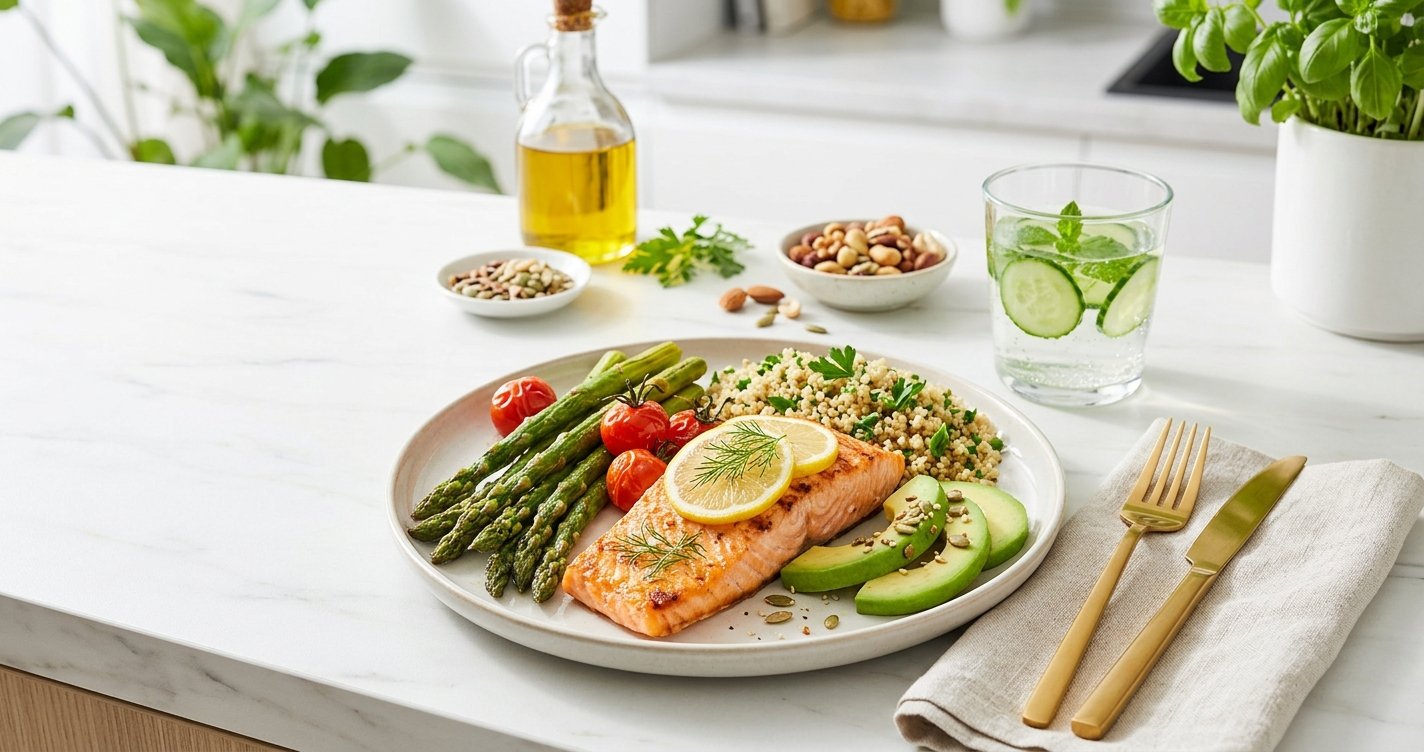
Unlock Sustainable Fat Loss: The Power of Protein & Smart Calorie Deficits
Are you tired of the endless cycle of restrictive diets, quick fixes, and disappointing results when it comes to fat loss? You're not alone. Many people get caught in the trap of extreme measures, only to find themselves back where they started, often feeling more frustrated and demotivated than before. The truth is, sustainable fat loss isn't about deprivation; it's about smart, evidence-based strategies that nourish your body and fit into your life.
Today, we're going to dive deep into two foundational pillars of effective and sustainable fat loss: understanding the calorie deficit and harnessing the incredible power of protein. Forget the fads and prepare to build a solid, scientific approach that empowers you to reach your goals and maintain them for good. Let's embark on this journey with a friendly, encouraging, and evidence-based mindset! this excellent wellness product
Understanding the Calorie Deficit: Your Fat Loss Foundation
At its core, fat loss boils down to one undeniable scientific principle: you must consume fewer calories than your body expends. This is what we call a 'calorie deficit.' Think of your body like a car. If you put less fuel in than it burns, its fuel tank (your fat stores) will gradually empty.
It sounds simple, right? And it is, in theory. But implementing it correctly is where many stumble. Here’s how to approach it smartly:
- Estimate Your Maintenance Calories (TDEE): Your Total Daily Energy Expenditure (TDEE) is the number of calories your body burns in a day, including basal metabolic rate, exercise, and daily activities. Online calculators can give you a good starting estimate based on your age, sex, weight, height, and activity level.
- Create a Sustainable Deficit: Once you have your TDEE, you'll subtract a certain number of calories to create your deficit. A common recommendation for sustainable fat loss is a deficit of 300-500 calories per day. This typically results in a healthy and manageable fat loss of 0.5 to 1 pound per week. A larger deficit might lead to faster initial weight loss, but it's often harder to sustain, can lead to muscle loss, and may negatively impact energy levels and metabolism.
- Consistency is Key: It's not about being perfect every single day, but about consistent effort over time. Don't let one 'off' day derail your entire week. Get back on track with your next meal.
Remember, this isn't about starving yourself. It's about finding that sweet spot where you're providing your body with enough energy to function optimally while gently encouraging it to tap into its fat reserves.
The Mighty Macronutrient: Why Protein is Your Fat Loss MVP
While a calorie deficit is the mechanism for fat loss, how you achieve that deficit matters immensely. This is where protein steps onto the stage as your most valuable player (MVP). Protein isn't just for bodybuilders; it's a cornerstone of effective fat loss for everyone, backed by a mountain of evidence.
Here's why protein is so powerful:
- Satiety Superstar: Protein is the most satiating macronutrient. Eating enough protein helps you feel fuller for longer, reducing cravings and the likelihood of overeating. Imagine fewer mid-afternoon snack attacks!
- Thermic Effect of Food (TEF): Your body expends energy (burns calories) to digest, absorb, and metabolize food. This is known as the Thermic Effect of Food (TEF). Protein has a significantly higher TEF than carbohydrates or fats. This means that a larger percentage of the calories from protein are burned off just in the process of digestion.
- Muscle Preservation: When you're in a calorie deficit, your body can sometimes break down muscle tissue for energy, alongside fat. Consuming adequate protein helps to spare your precious muscle mass. Maintaining muscle is crucial because muscle tissue is metabolically active, meaning it burns more calories at rest than fat tissue. More muscle = higher metabolism = easier fat loss!
How much protein do you need?
For fat loss, aiming for 0.7 to 1 gram of protein per pound of your target body weight (or current body weight if you're quite overweight) is a great starting point. For example, if you weigh 150 pounds, aim for 105-150 grams of protein per day. Spread your protein intake throughout your meals to maximize its benefits.
Excellent Protein Sources:
- Lean Meats (chicken breast, turkey, lean beef)
- Fish and Seafood (salmon, tuna, cod, shrimp)
- Eggs (whole eggs are great!)
- Dairy (Greek yogurt, cottage cheese, milk)
- Legumes (lentils, beans, chickpeas)
- Protein Powder (whey, casein, plant-based options)
Beyond Calories & Protein: The Importance of Food Quality
While calories and protein are crucial, the source of those calories matters significantly for your health and long-term success. A calorie isn't just a calorie when it comes to micronutrient density, fiber content, and overall impact on your hunger and energy levels.
- Focus on Whole, Unprocessed Foods: Prioritize foods that are as close to their natural state as possible. Think fresh fruits, vegetables, whole grains, lean proteins, and healthy fats. These foods provide essential vitamins, minerals, and antioxidants that support overall health and energy.
- Embrace Fiber: Fiber-rich foods (found in fruits, vegetables, whole grains, and legumes) contribute to satiety, aid digestion, and help stabilize blood sugar levels, preventing energy crashes and subsequent cravings.
- Don't Fear Healthy Fats: Healthy fats (from avocados, nuts, seeds, olive oil, fatty fish) are essential for hormone production, nutrient absorption, and also contribute to satiety. Just remember they are calorie-dense, so moderation is key.
By prioritizing food quality, you not only make your calorie deficit more manageable due to increased satiety but also fuel your body for optimal performance and well-being.
Practical Strategies for Implementing Your Nutrition Plan
Knowledge is power, but action is where change happens. Here are some practical tips to weave these principles into your daily life:
- Meal Planning & Preparation: Dedicate some time each week to plan your meals and snacks. Batch cooking certain components (like grilled chicken, roasted vegetables, or quinoa) can save you immense time and effort during busy weekdays.
- Track (Initially): For a few weeks, use a food tracking app to get an accurate idea of your current calorie and protein intake. This isn't forever, but it's an incredibly powerful tool for awareness and learning portion sizes. You might be surprised by how quickly you learn to eyeball your intake.
- Hydration is Key: Often mistaken for hunger, thirst can lead to unnecessary snacking. Drink plenty of water throughout the day. Sometimes a glass of water is all you need.
- Smart Snacking: If you need snacks, make them protein-rich. Greek yogurt, a hard-boiled egg, a handful of almonds, or a protein shake can bridge the gap between meals without derailing your progress.
- Portion Control Awareness: Even healthy foods can contribute to a calorie surplus if eaten in excessive amounts. Learn what a serving size looks like for different foods.
Navigating Challenges and Staying Consistent
The path to sustainable fat loss isn't always linear. There will be good days and challenging days, and that's perfectly normal. Here’s how to stay on track:
- Manage Cravings Mindfully: Instead of immediately giving in, pause. Ask yourself if you're truly hungry or if it's boredom, stress, or habit. Try a glass of water, a quick walk, or a different activity. If you do indulge, do so mindfully and in moderation, then get back to your plan.
- Eating Out Strategically: You don't have to become a hermit. Look at menus online beforehand, choose lean protein options with plenty of vegetables, and don't be afraid to ask for sauces on the side.
- Patience and Persistence: Fat loss takes time. Celebrate small victories, track non-scale victories (like clothes fitting better, increased energy, better sleep), and understand that consistency beats perfection every single time.
- Seek Support: Whether it's a friend, family member, or a professional coach, having a support system can make a huge difference in keeping you motivated and accountable.
Your Journey to Sustainable Fat Loss Starts Now!
You now have the fundamental tools to approach fat loss in a way that is both effective and sustainable. By understanding the non-negotiable role of a calorie deficit and embracing protein as your fat loss ally, you're setting yourself up for success that lasts. Combine these principles with quality whole foods and practical strategies, and you're not just losing fat; you're building a healthier, stronger, and more vibrant you.
This isn't about quick fixes or extreme measures; it's about making informed choices that empower you to take control of your health and well-being. Be patient, be consistent, and most importantly, be kind to yourself throughout this incredibly rewarding journey. You’ve got this!