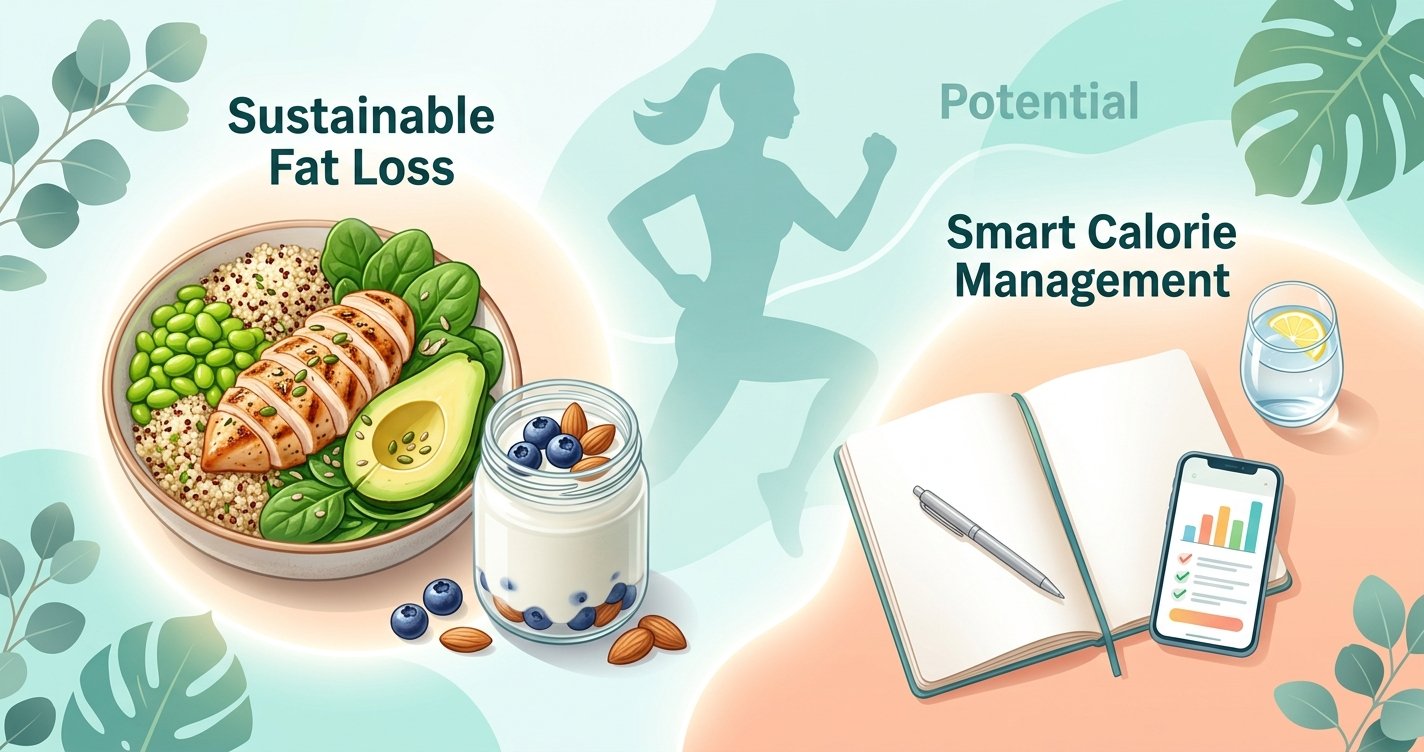
Sustainable Fat Loss: Unlock Your Potential with Protein & Smart Calorie Management
Are you tired of the endless cycle of restrictive diets, quick fixes, and disappointing results when it comes to fat loss? You're not alone. Many of us have fallen prey to the allure of rapid weight loss, only to find ourselves back where we started, often feeling more frustrated and discouraged than before. But what if there was a better way? A sustainable, evidence-based approach that not only helps you shed unwanted fat but also empowers you to keep it off for good, all while feeling energized and nourished?
Welcome to the world of sustainable fat loss, where extreme deprivation is replaced by smart strategies, and short-term suffering gives way to long-term success. Today, we're going to dive deep into two of the most powerful, yet often misunderstood, pillars of effective fat loss: prioritizing protein intake and mastering the art of a manageable calorie deficit. Get ready to transform your understanding and approach to achieving your body composition goals with confidence and lasting results. this excellent wellness product
Understanding the Core Principles of Sustainable Fat Loss
Before we jump into the 'how,' let's firmly grasp the 'why.' Sustainable fat loss isn't about magic pills or fad diets; it's about understanding your body and implementing strategies that work with it, not against it.
The Non-Negotiable: Calorie Deficit
At its heart, fat loss boils down to one fundamental principle: you must consume fewer calories than your body expends. This is known as a calorie deficit. Think of your body as a car. If you put less fuel in than it uses, it starts tapping into its stored fuel (body fat) to keep running. It's simple physics, and no amount of 'clean eating' or specific food groups can bypass this rule.
- It's About Energy Balance: Your Total Daily Energy Expenditure (TDEE) is the number of calories your body burns in a day through basic metabolic functions, digestion, and physical activity. To lose fat, you need to eat less than your TDEE.
- Moderation is Key: A moderate deficit (typically 250-500 calories below your TDEE) is crucial. Too aggressive, and you risk muscle loss, nutrient deficiencies, fatigue, and intense hunger, making adherence nearly impossible. Too small, and progress will be frustratingly slow.
- Consistency Over Perfection: It's better to maintain a small, consistent deficit over weeks and months than to swing wildly between extreme restriction and overeating.
Why Protein is Your Best Friend for Fat Loss
While a calorie deficit is the engine, protein is the premium fuel that keeps everything running smoothly and efficiently during your fat loss journey. Its benefits are multifaceted and scientifically backed.
- Satiety Superstar: Protein is the most satiating macronutrient. Eating enough protein helps you feel fuller for longer, significantly reducing cravings and the urge to snack unnecessarily. This makes adhering to your calorie deficit much easier.
- Muscle Preservation: When you're in a calorie deficit, your body can break down not just fat but also muscle tissue for energy. Adequate protein intake signals to your body to hold onto that precious muscle, which is vital for maintaining a healthy metabolism and a toned physique.
- Thermic Effect of Food (TEF): Protein has a higher TEF than carbohydrates or fats. This means your body expends more energy (burns more calories) to digest, absorb, and metabolize protein. While not a huge factor on its own, every little bit helps in a deficit.
- Repair and Recovery: If you're incorporating exercise (which you should!), protein is essential for muscle repair and recovery, helping you bounce back stronger for your next workout.
Practical Strategies to Master Your Protein & Calorie Goals
Now that we understand the 'why,' let's get into the actionable 'how' to integrate these principles into your daily life.
Prioritizing Protein in Every Meal
Making protein a centerpiece of your meals is one of the easiest and most effective changes you can make.
- Breakfast Boost: Ditch sugary cereals. Opt for Greek yogurt with berries, eggs, a protein smoothie, or cottage cheese.
- Lunch & Dinner Anchors: Ensure a lean protein source is the largest component of your plate. Think chicken breast, fish, lean beef, tofu, lentils, or beans.
- Portion Power: Aim for roughly 20-40 grams of protein per meal, depending on your total daily needs. A good rule of thumb for many is a palm-sized portion of lean protein.
- Snack Smart: Instead of chips or cookies, reach for protein-rich snacks like a handful of almonds, a hard-boiled egg, a protein bar, or string cheese.
Navigating Calorie Deficits Without Feeling Deprived
A calorie deficit doesn't mean eating tiny, unsatisfying meals. It means making smarter food choices.
- Focus on Whole, Nutrient-Dense Foods: Prioritize fruits, vegetables, lean proteins, and whole grains. These foods offer high volume and nutrients for fewer calories, keeping you full and nourished.
- Volume Eating: Load up on non-starchy vegetables like broccoli, spinach, salads, and bell peppers. They are very low in calories but high in fiber and water, making your plate look fuller and helping you feel satisfied.
- Be Mindful of Liquid Calories: Sugary drinks, elaborate coffees, and alcohol can quickly add hundreds of empty calories without contributing to satiety. Opt for water, unsweetened tea, or black coffee.
- Track (Initially): For a few weeks, consider using a food tracking app. This isn't about obsession but about learning. It helps you understand the calorie and macronutrient content of the foods you eat regularly and reveals hidden calorie culprits.
Beyond the Plate: Lifestyle Factors That Amplify Your Efforts
While nutrition is paramount, sustainable fat loss is a holistic endeavor. Other lifestyle factors play a significant role in optimizing your body's ability to burn fat and maintain a healthy weight.
The Role of Strength Training: Build & Preserve
Don't just think cardio! Incorporating strength training into your routine is a game-changer for fat loss.
- Boosts Metabolism: Muscle tissue is more metabolically active than fat tissue. The more muscle you have, the more calories your body burns at rest.
- Body Composition: Strength training helps you build or maintain muscle while losing fat, leading to a more toned, sculpted physique rather than just being 'smaller.'
- Bone Health: It also strengthens your bones, an added long-term health benefit.
Aim for 2-4 strength training sessions per week, focusing on compound movements that work multiple muscle groups.
Sleep, Stress, and Hydration: The Unsung Heroes
These often-overlooked factors can significantly impact your fat loss progress.
- Sleep: Lack of sleep can disrupt hunger-regulating hormones (ghrelin and leptin), leading to increased appetite and cravings for unhealthy foods. Aim for 7-9 hours of quality sleep per night.
- Stress Management: Chronic stress elevates cortisol levels, a hormone that can promote fat storage, particularly around the midsection. Find healthy ways to manage stress, such as meditation, yoga, hobbies, or spending time in nature.
- Hydration: Drinking enough water is crucial for metabolic processes, can help with satiety, and sometimes thirst is mistaken for hunger. Keep a water bottle handy and sip throughout the day.
Building Sustainable Habits for Long-Term Success
True success in fat loss isn't about reaching a destination; it's about building a healthier lifestyle that you can maintain indefinitely.
Consistency Over Perfection
You will have off days. You will make less-than-optimal food choices. That's perfectly normal! The key is to not let one slip-up derail your entire journey. Get back on track with your next meal or next day. Consistency over weeks and months is far more impactful than fleeting moments of perfection.
Listening to Your Body & Adjusting
Pay attention to your hunger cues, energy levels, and how different foods make you feel. Your body is constantly giving you feedback. As you progress, you may need to adjust your calorie intake or exercise routine. Fat loss isn't a linear process; be patient and willing to adapt.
Seeking Support & Celebrating Progress
Whether it's a supportive friend, a coach, or an online community, having a support system can make a huge difference. And don't forget to celebrate your non-scale victories – increased energy, stronger lifts, clothes fitting better, or simply feeling more confident and healthy. These are just as important as the number on the scale.
Your Empowered Journey to Sustainable Fat Loss
Embarking on a sustainable fat loss journey is a powerful act of self-care. By understanding the critical roles of a moderate calorie deficit and ample protein intake, and integrating supportive lifestyle habits, you're setting yourself up for success that lasts a lifetime. No more yo-yo dieting, no more frustration. Just intelligent, evidence-based strategies that empower you to take control of your health and achieve the vibrant, energetic body you deserve.
Start small, stay consistent, and trust the process. Your journey towards sustainable fat loss and a healthier you begins now!