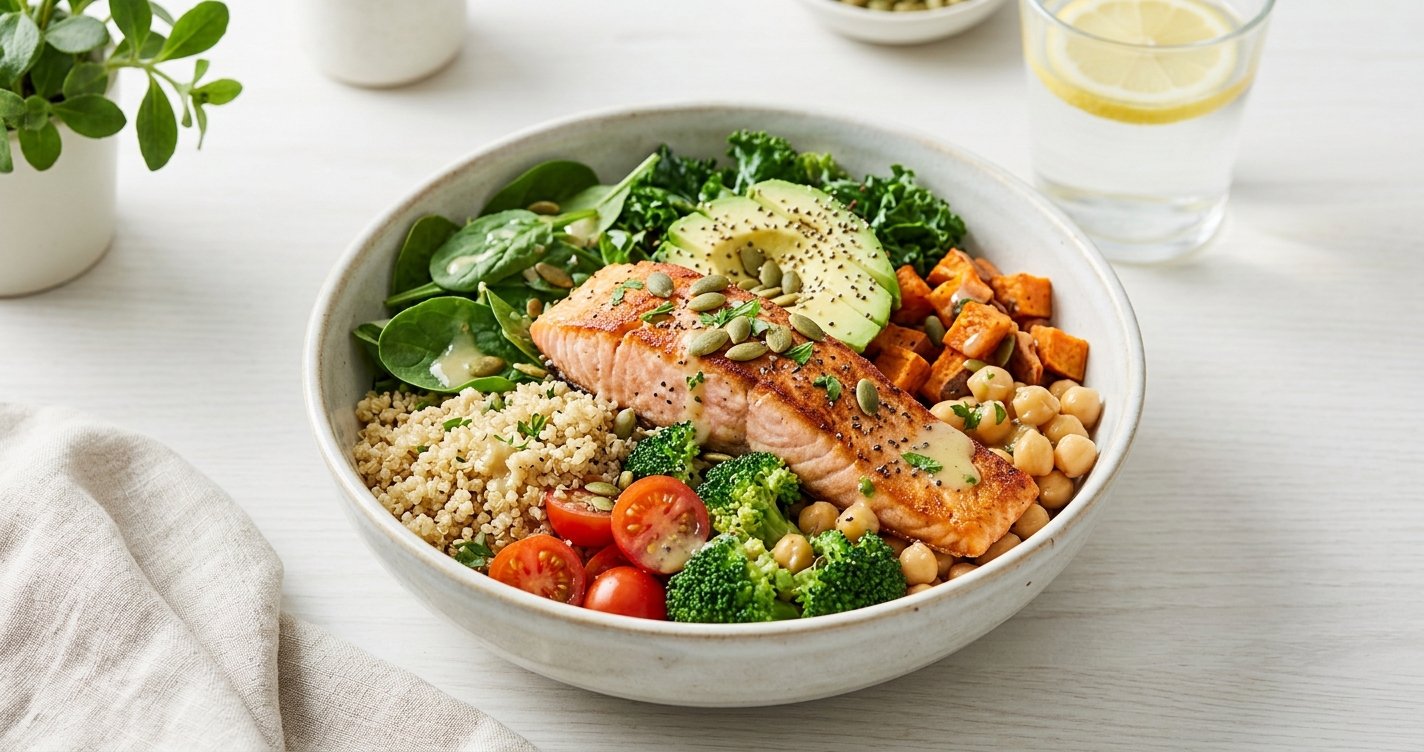
Unlock Sustainable Fat Loss: The Power Duo of Protein and Fiber
Are you tired of the fat loss roller coaster? The endless cycle of restrictive diets, quick fixes, and the inevitable rebound? If you’re nodding along, you’re not alone. The truth is, sustainable fat loss isn't about deprivation; it's about smart, evidence-based nutrition that fuels your body, keeps you satisfied, and supports your metabolism. And at the heart of this approach lies a powerful, often underestimated duo: protein and fiber.
These two nutritional superstars don't just contribute to overall health; they are absolute game-changers when it comes to shedding unwanted body fat and keeping it off for good. They work together in a synergistic way, addressing many of the common challenges people face on their fat loss journey, from relentless cravings to a sluggish metabolism. In this comprehensive guide, we'll dive deep into why protein and fiber are your best allies, how they work their magic, and most importantly, practical, friendly strategies to effortlessly incorporate more of them into your daily life. Get ready to transform your approach to fat loss, one delicious, nutrient-dense bite at a time! this excellent wellness product
Why Protein is Your Fat Loss MVP (Most Valuable Player)
When it comes to fat loss, protein isn't just important; it's absolutely crucial. Think of it as your body's most valuable player, working tirelessly on multiple fronts to support your goals. Science consistently backs up protein's pivotal role, making it a non-negotiable component of any effective fat loss strategy.
The Science-Backed Benefits of Protein for Fat Loss:
- Satiety Superstar: Protein is renowned for its ability to keep you feeling full and satisfied for longer. Compared to carbohydrates and fats, protein has the highest satiety index. This means a high-protein meal can significantly reduce hunger pangs and curb those pesky cravings, making it easier to stick to a calorie deficit without feeling deprived.
- Metabolic Booster (TEF): Our bodies burn calories to digest, absorb, and metabolize the food we eat – this is known as the Thermic Effect of Food (TEF). Protein has a significantly higher TEF than carbs or fats (20-30% vs. 5-10% for carbs and 0-3% for fats). This means that a substantial portion of the calories from protein are actually burned off during digestion, giving you a metabolic advantage.
- Muscle Protector: When you're in a calorie deficit, your body can sometimes break down muscle tissue for energy, not just fat. This is detrimental because muscle is metabolically active, meaning it burns more calories at rest than fat does. Adequate protein intake is vital for preserving lean muscle mass during fat loss, ensuring your metabolism stays revved up and you primarily lose fat, not muscle.
- Hormonal Harmony: Protein plays a key role in regulating hunger and satiety hormones. It helps to decrease levels of ghrelin, the 'hunger hormone', and increase levels of satiety hormones like GLP-1, PYY, and cholecystokinin (CCK). This hormonal balancing act makes managing your appetite much more straightforward.
How Much Protein Do You Need? For fat loss, aiming for 1.6 to 2.2 grams of protein per kilogram of body weight per day is a commonly recommended range. For an active individual, it might even be slightly higher. Spreading your protein intake throughout the day (e.g., 20-40 grams per meal) can also maximize its benefits.
Excellent Protein Sources: Lean meats (chicken breast, turkey, lean beef), fish (salmon, cod, tuna), eggs, dairy (Greek yogurt, cottage cheese), legumes (lentils, beans), tofu, tempeh, and protein powders (whey, casein, plant-based).
Fiber: The Unsung Hero of Sustainable Fat Loss
While protein often gets the spotlight, fiber is quietly working behind the scenes, playing an equally critical role in your fat loss journey. Often overlooked, this dietary component is a true unsung hero, offering a myriad of benefits that make shedding pounds not only easier but also healthier and more sustainable.
The Incredible Benefits of Fiber for Fat Loss:
- Enhanced Satiety & Reduced Cravings: Just like protein, fiber is fantastic at making you feel full. Soluble fiber, in particular, forms a gel-like substance in your digestive tract, slowing down digestion and nutrient absorption. This prolonged feeling of fullness helps prevent overeating and reduces the urge to snack unnecessarily between meals.
- Blood Sugar Stabilization: High-fiber foods, especially those rich in soluble fiber, help to slow the absorption of sugar into your bloodstream. This prevents rapid spikes and crashes in blood sugar, which can otherwise lead to increased cravings, energy dips, and a greater likelihood of fat storage. Stable blood sugar means stable energy and fewer temptations.
- Gut Health Powerhouse: Fiber acts as a prebiotic, feeding the beneficial bacteria in your gut. A healthy gut microbiome is increasingly recognized for its influence on metabolism, inflammation, and even mood, all of which can indirectly impact weight management. A happy gut is a healthier you, inside and out!
- Calorie Density Reduction: Most high-fiber foods (fruits, vegetables, whole grains) are naturally lower in calories for their volume. This means you can eat a larger quantity of food, feel more satisfied, and still consume fewer calories overall. It's a win-win for satiety and calorie management.
- Improved Digestion & Waste Elimination: Insoluble fiber adds bulk to your stool, promoting regular bowel movements and preventing constipation. A well-functioning digestive system is crucial for overall health and can help reduce bloating, making you feel lighter and more comfortable.
How Much Fiber Do You Need? The general recommendation for adults is around 25-38 grams of fiber per day, with women typically needing less than men. However, most people fall significantly short of this target. It's important to increase fiber intake gradually and ensure adequate hydration to avoid digestive discomfort.
Fantastic Fiber Sources: All fruits (especially berries, apples, pears with skin), vegetables (broccoli, spinach, Brussels sprouts, carrots), whole grains (oats, quinoa, brown rice, whole wheat bread), legumes (beans, lentils, chickpeas), nuts, and seeds (chia seeds, flax seeds, almonds).
The Synergy: How Protein and Fiber Work Together for Optimal Results
While protein and fiber are powerful on their own, their true magic for fat loss unfolds when they are combined. Think of them as a dynamic duo, each amplifying the other's benefits to create an unstoppable force against excess body fat. Their synergy is what makes a balanced, nutrient-dense diet so effective for sustainable results.
Imagine starting your day with a bowl of Greek yogurt topped with berries and a sprinkle of chia seeds. You're getting a powerful dose of protein from the yogurt, providing sustained energy and muscle support, while the berries and chia seeds deliver a punch of fiber, keeping you full and regulating blood sugar. This combination isn't just delicious; it's a strategic move that sets you up for success throughout the day.
When you combine protein and fiber, you're creating meals that are:
- Doubly Satiating: The combined effect of protein's hormonal signaling and fiber's bulk and slow digestion means you'll feel fuller for longer than if you consumed either nutrient alone. This drastically reduces the likelihood of overeating and mindless snacking.
- Metabolically Favorable: You benefit from protein's higher thermic effect and muscle-preserving qualities, while fiber helps stabilize blood sugar, preventing energy crashes that can lead to cravings for quick-fix, high-calorie foods.
- Nutrient-Dense & Satisfying: Meals rich in both protein and fiber are typically packed with vitamins, minerals, and antioxidants. They nourish your body at a cellular level, reducing nutrient deficiencies that can sometimes drive cravings for less healthy options.
This powerful partnership helps you create a consistent calorie deficit more easily and enjoyably, without feeling hungry or deprived. It's about feeding your body smart, not starving it.
Practical Strategies to Boost Your Protein & Fiber Intake
Now that you understand the immense benefits, let's talk about how to actually put this into practice. Integrating more protein and fiber into your diet doesn't have to be complicated or boring. Here are some friendly, actionable tips:
1. Prioritize Protein at Every Meal:
- Breakfast Boost: Start strong! Incorporate eggs, Greek yogurt, cottage cheese, protein powder in smoothies, or lean breakfast meats.
- Lunch & Dinner Anchor: Make a lean protein source the centerpiece of your main meals (chicken, fish, tofu, beans, lentils).
- Smart Snacking: Keep protein-rich snacks on hand like hard-boiled eggs, a handful of almonds, string cheese, or a small container of Greek yogurt.
2. Embrace Fiber-Rich Whole Foods:
- Veggies First: Fill half your plate with non-starchy vegetables at lunch and dinner. Steam them, roast them, or enjoy them raw in salads.
- Fruit for Snacks: Reach for whole fruits (apples, berries, pears) instead of fruit juice. The skin and pulp are where the fiber lives!
- Whole Grains Over Refined: Swap white bread, pasta, and rice for their whole-grain counterparts (whole wheat, brown rice, quinoa, oats).
- Legume Love: Add beans, lentils, and chickpeas to soups, stews, salads, and curries. They're a double whammy of protein and fiber!
3. Hydration is Key:
As you increase your fiber intake, it's crucial to drink plenty of water. Fiber absorbs water, and without adequate hydration, it can lead to constipation and discomfort. Aim for 8 glasses (or more) of water throughout the day.
4. Gradual & Consistent Changes:
Don't overhaul your entire diet overnight. Start by adding one extra serving of protein or fiber to a meal each day, then gradually build up. Your digestive system will thank you for it!
5. Meal Prep & Planning:
Spend a little time planning your meals and snacks for the week. Having healthy, high-protein, high-fiber options readily available makes it much easier to make good choices, especially when you're busy or tired.
Common Pitfalls and How to Avoid Them
Even with the best intentions, it's easy to stumble into common traps when trying to optimize your diet. Being aware of these pitfalls can help you navigate your fat loss journey more smoothly and effectively.
1. Not Enough Variety:
Sticking to the same few protein and fiber sources can lead to nutrient deficiencies, boredom, and eventually, giving up. Aim for a wide array of lean proteins, colorful fruits, and diverse vegetables to ensure you're getting a broad spectrum of nutrients and keeping your taste buds engaged.
2. Ignoring Portion Sizes (Even for Healthy Foods):
While protein and fiber are fantastic, they still contain calories. Overeating even healthy foods like nuts, avocados, or larger-than-needed portions of lean meat can hinder your progress. Pay attention to serving sizes, especially if you're not seeing the results you expect.
3. Relying Solely on Supplements:
Protein powders and fiber supplements can be useful tools, but they should complement, not replace, whole food sources. Whole foods offer a complex matrix of vitamins, minerals, and other beneficial compounds that supplements often lack. Always prioritize real food first.
4. Neglecting Hydration When Increasing Fiber:
As mentioned, increasing fiber without sufficient water intake can lead to digestive discomfort like bloating, gas, and constipation. Make sure to steadily increase your water intake as you boost your fiber-rich foods.
5. Expecting Overnight Miracles:
Sustainable fat loss takes time and consistency. While you might feel better and more energetic quickly, visible changes in body composition are a gradual process. Stay patient, celebrate small victories, and focus on building healthy habits for the long term.
Your Journey to Sustainable Fat Loss Starts Now!
You've now uncovered the incredible power of protein and fiber – not just for temporary weight loss, but for building a foundation of health and vitality that supports sustainable fat loss and overall well-being. These aren't just diet trends; they are fundamental pillars of smart nutrition, backed by solid science and proven results.
Remember, your fat loss journey doesn't have to be about strict rules and endless deprivation. Instead, it can be an empowering exploration of delicious, nourishing foods that make you feel amazing, inside and out. By consciously prioritizing protein and fiber in your meals, you're equipping your body with the tools it needs to feel satisfied, maintain muscle, boost metabolism, and keep cravings at bay.
So, take that first step today. Start small, be consistent, and listen to your body. Add an extra serving of vegetables to your dinner, swap out a sugary snack for Greek yogurt and berries, or choose whole grains over refined. Each mindful choice brings you closer to your goals. You have the knowledge and the power to make lasting changes. Embrace the journey, trust the process, and get ready to enjoy a healthier, happier you!