Introduction: Beyond the Quick Fix – Embracing Sustainable Fat Loss
Tired of the endless cycle of restrictive diets, fleeting results, and the frustrating rebound? You're not alone. The world of fat loss is often cluttered with fads, extreme measures, and promises that rarely deliver long-term success. But what if there was a simpler, more sustainable path – one rooted in science, satisfaction, and real food? Good news: there is! It’s time to shift our focus from deprivation to strategic nourishment, and at the heart of this approach lies a powerful, often underestimated duo: protein and fiber.
This isn’t about counting every single calorie or cutting out entire food groups. Instead, we’re going to explore how consciously incorporating more protein and fiber into your daily diet can revolutionize your fat loss journey, making it feel less like a battle and more like a natural progression towards a healthier, happier you. Prepare to discover how these nutritional superstars keep you feeling full, fuel your metabolism, preserve precious muscle, and even boost your overall well-being. Let's dive in! this excellent wellness product
Why Fad Diets Fail (and What Science Says Works Instead)
Before we celebrate our dynamic duo, let’s briefly touch on why so many quick-fix diets fall short. Extreme calorie restriction often leads to nutrient deficiencies, intense cravings, and a significant drop in energy. Worse, it can trigger metabolic adaptation, where your body slows down its energy expenditure in an attempt to conserve resources. This makes sustained fat loss incredibly challenging and often results in weight regain once the diet ends.
The evidence-based approach to fat loss emphasizes creating a moderate calorie deficit while prioritizing nutrient density. This means choosing foods that provide ample vitamins, minerals, and macronutrients (protein, carbohydrates, fats) to support your body's functions, keep you satiated, and preserve muscle mass. This is where protein and fiber shine, offering a powerful one-two punch that addresses many of the common pitfalls of traditional dieting.
The Mighty Macro: How Protein Powers Your Fat Loss Journey
Protein isn't just for bodybuilders; it's a non-negotiable hero for anyone pursuing fat loss. Here’s why:
- Satiety Supreme: Protein is renowned for its ability to keep you feeling fuller for longer compared to carbohydrates or fats. When you eat protein, your body releases hormones like GLP-1 and CCK, which signal to your brain that you're satisfied. This naturally reduces overall calorie intake by curbing hunger and preventing mindless snacking.
- Thermic Effect of Food (TEF): Digesting and metabolizing food requires energy, and protein has the highest TEF of all macronutrients. This means a significant portion of the calories from protein are burned off just through its digestion. While not a massive burner, it adds up over time and contributes to your daily calorie expenditure.
- Muscle Preservation: When you're in a calorie deficit, your body can sometimes break down muscle tissue for energy, which is detrimental to your metabolism and overall strength. Adequate protein intake is crucial for preserving lean muscle mass during fat loss. More muscle means a higher resting metabolic rate, helping you burn more calories even at rest.
- Repair and Recovery: Protein provides the amino acids necessary for repairing tissues and building new cells, essential for recovery from exercise and maintaining overall health.
Practical Tips for Boosting Protein:
- Include a protein source at every meal: chicken, fish, lean beef, eggs, Greek yogurt, cottage cheese, tofu, lentils, beans.
- Opt for protein-rich snacks: a handful of almonds, a hard-boiled egg, a scoop of protein powder mixed with water or milk.
- Aim for approximately 0.7-1 gram of protein per pound of your target body weight (or current lean body mass) daily, spread throughout your meals.
Fiber: Your Secret Weapon for a Leaner You
Often overlooked, dietary fiber is a nutritional powerhouse that plays a critical role in sustainable fat loss and overall health. Think of it as your internal scrub brush and satiety booster.
- Fills You Up, Not Out: Fiber adds bulk to your meals without adding significant calories. Soluble fiber, found in oats, beans, and fruits, forms a gel-like substance in your digestive tract, slowing down digestion and nutrient absorption. This prolongs feelings of fullness and helps regulate blood sugar. Insoluble fiber, found in whole grains and vegetables, adds bulk to stool, promoting regular bowel movements and gut health.
- Blood Sugar Control: By slowing down the absorption of sugars, fiber helps prevent rapid spikes and crashes in blood glucose levels. Stable blood sugar means fewer cravings, more sustained energy, and a reduced likelihood of your body storing excess energy as fat.
- Gut Health Hero: A healthy gut microbiome is increasingly linked to metabolic health and weight management. Fiber acts as a prebiotic, feeding the beneficial bacteria in your gut. A diverse and thriving gut microbiome can positively influence hormone regulation, inflammation, and even mood.
- Reduced Calorie Absorption: Some types of fiber can bind with fats and sugars, leading to a slight reduction in their absorption, meaning fewer calories actually make it into your system.
Practical Tips for Upping Your Fiber:
- Load up on vegetables: Aim for half your plate to be non-starchy vegetables at lunch and dinner.
- Choose whole grains over refined: Opt for oats, quinoa, brown rice, and whole-wheat bread.
- Don't forget fruits: Berries, apples, pears, and oranges are packed with fiber.
- Legumes are your friends: Lentils, beans, and chickpeas are excellent sources.
- Increase fiber gradually to avoid digestive discomfort, and remember to drink plenty of water!
Synergistic Superstars: Protein and Fiber Working Together
While powerful on their own, protein and fiber truly shine when combined. They amplify each other's benefits, creating meals that are incredibly satisfying, nutrient-dense, and metabolism-boosting. Imagine a meal rich in both: the protein keeps you full and preserves muscle, while the fiber adds bulk, stabilizes blood sugar, and supports gut health. This combination is a recipe for success in maintaining a calorie deficit without feeling hungry or deprived.
Examples of Power Pairings:
- Breakfast: Greek yogurt with berries and a sprinkle of chia seeds; scrambled eggs with spinach and whole-grain toast.
- Lunch: Large salad with grilled chicken/chickpeas and a variety of colorful vegetables; lentil soup with a side of whole-wheat crackers.
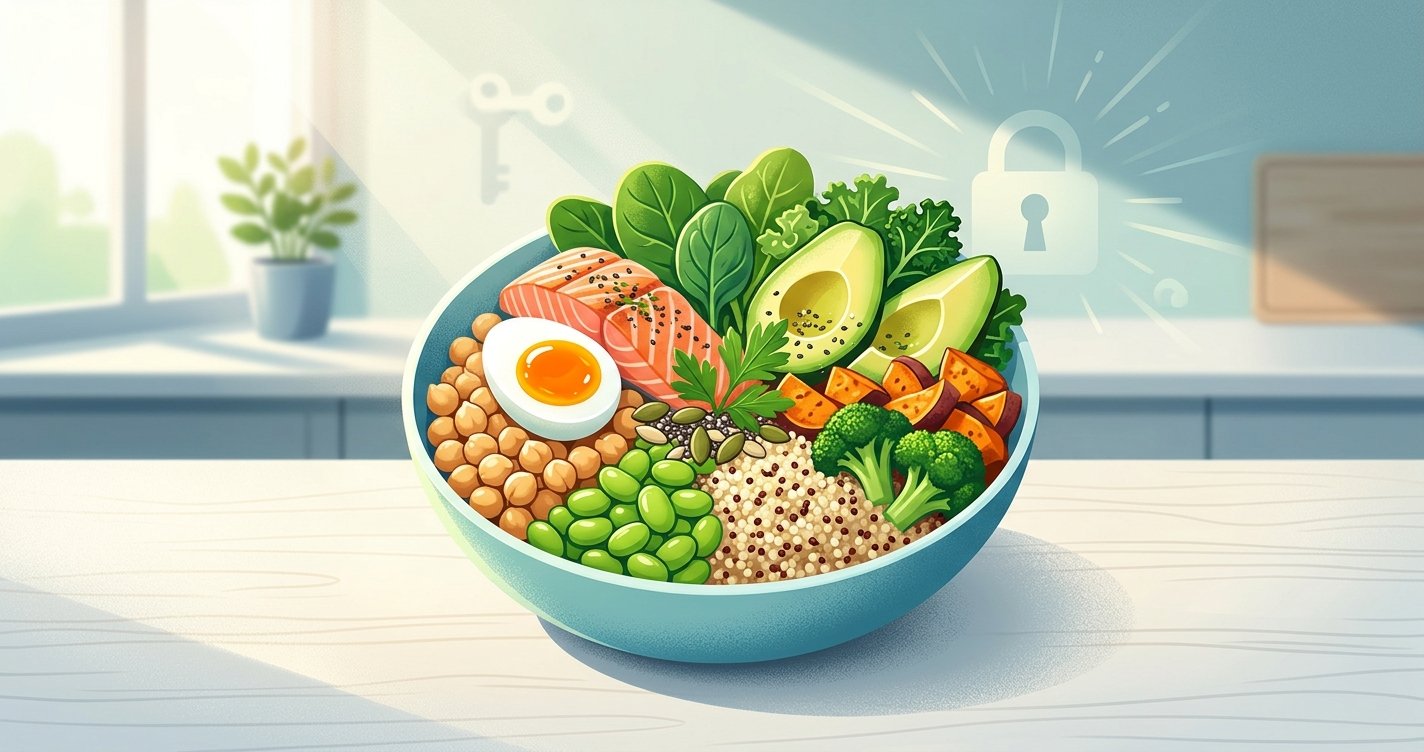
- Dinner: Baked salmon with roasted broccoli and quinoa; turkey chili loaded with beans and vegetables.
- Snacks: Apple slices with almond butter; cottage cheese with cucumber and dill.
Beyond the Plate: Integrating Protein and Fiber into Your Lifestyle
Making protein and fiber a cornerstone of your diet isn't just about what you eat; it's about how you approach your meals and snacks. Here are some lifestyle tips to make it effortless:
- Meal Planning: Take a little time each week to plan your meals and snacks. This ensures you always have protein and fiber-rich options readily available, reducing the temptation for less nutritious choices.
- Smart Snacking: Ditch the empty calories and opt for snacks that offer both protein and fiber. Think hard-boiled eggs, a small handful of nuts and seeds, fruit with a smear of nut butter, or veggie sticks with hummus.
- Hydration is Key: Especially when increasing fiber, drinking plenty of water is essential to aid digestion and prevent discomfort. Water also contributes to feelings of fullness.
- Cook at Home More: Restaurant meals, while delicious, can often be low in fiber and have hidden fats and sugars. Cooking at home gives you control over ingredients and portion sizes.
- Consistency Over Perfection: Don't aim for perfection overnight. Start by adding one extra serving of protein or fiber to a meal each day and build from there. Small, consistent changes lead to lasting results.
Dispelling Myths and Common Pitfalls
It's natural to have questions, and some common myths might deter you from embracing these power nutrients:
- “Too much protein is bad for my kidneys.” For healthy individuals, current research shows that a high-protein diet (even up to 1.6-2.2 g/kg of body weight) is safe and beneficial for fat loss. Always consult your doctor if you have pre-existing kidney conditions.
- “Fiber makes me bloated.” While a sudden drastic increase in fiber can cause temporary bloating, gradually increasing your intake and staying well-hydrated can mitigate this. Your gut microbiome will adapt over time.
- “I need supplements for protein/fiber.” While supplements can be convenient, prioritize whole food sources first. They offer a broader spectrum of nutrients and beneficial compounds that supplements often lack.
Conclusion: Your Path to Sustainable, Satisfying Fat Loss
Embarking on a fat loss journey doesn't have to mean endless hunger or restrictive eating. By harnessing the incredible power of protein and fiber, you can transform your approach to nutrition, making it both effective and enjoyable. These two nutrients are your allies in feeling full, preserving muscle, boosting metabolism, and nurturing a healthy gut – all crucial elements for sustainable fat loss.
Remember, this isn't about a quick fix; it's about building lasting habits that support your health and well-being in the long run. Start small, be consistent, and listen to your body. You have the knowledge now to make smarter choices that will not only help you achieve your fat loss goals but also empower you to lead a more vibrant, energetic life. You’ve got this!