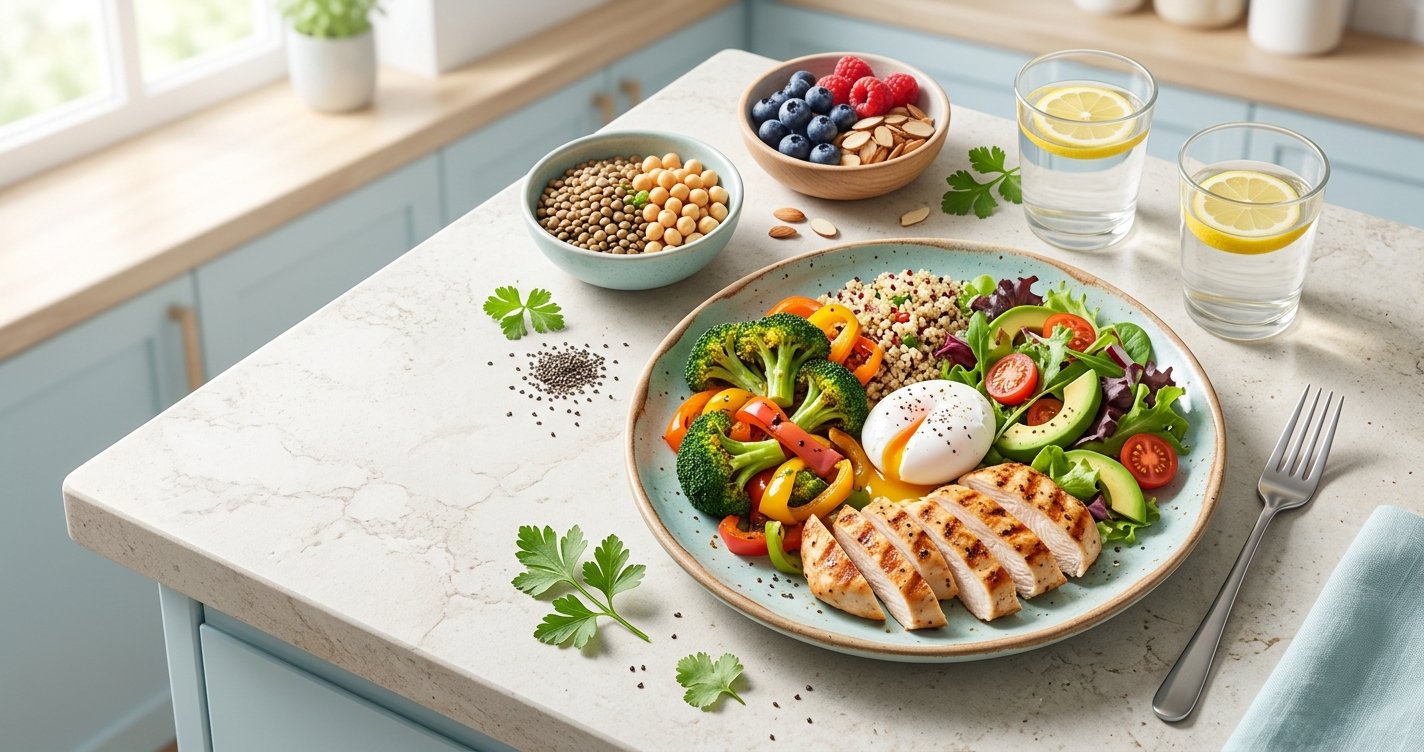
Feeling stuck on your fat loss journey? It’s a common frustration. Many of us jump from one trendy diet to another, only to find ourselves back where we started, feeling defeated. But what if the secret to sustainable fat loss wasn't about deprivation or extreme measures, but rather about strategically fueling your body with two incredibly powerful nutrients: protein and fiber?
Forget complicated calorie counting for a moment and let’s focus on the quality of what’s on your plate. When you harness the synergistic power of protein and fiber, you’re not just cutting calories; you’re optimizing your body’s natural ability to burn fat, feel full, and maintain energy levels throughout the day. This isn't just about 'losing weight'; it's about transforming your body composition, boosting your metabolism, and creating a healthier, more vibrant you. Ready to discover how these unsung heroes can revolutionize your approach to fat loss? Let's dive in! this excellent wellness product
Why Protein is Your Ultimate Ally for Fat Loss
Protein isn't just for bodybuilders; it's a critical macronutrient that plays a multifaceted role in effective fat loss. Think of it as your body's essential building block and metabolic booster rolled into one.
The Satiety Factor: Feeling Full, Longer
One of protein's most celebrated benefits is its incredible ability to keep you feeling full and satisfied. When you consume protein, it sends powerful signals to your brain that reduce hunger and increase feelings of fullness. It influences hormones like ghrelin (the 'hunger hormone') and GLP-1 and PYY (satiety hormones), helping to curb those nagging cravings and prevent overeating. Imagine going longer between meals without that gnawing hunger – that's the protein advantage!
Boosting Your Metabolism: The Thermic Effect of Food (TEF)
Did you know your body actually burns calories just to digest and process the food you eat? This is known as the Thermic Effect of Food (TEF). And guess what? Protein has the highest TEF of all macronutrients. Approximately 20-30% of the calories from protein are burned off during digestion, compared to just 5-10% for carbohydrates and 0-3% for fats. This means that by simply increasing your protein intake, you're giving your metabolism a little extra kick, burning more calories effortlessly throughout the day.
Protecting Your Muscles, Burning More Fat
When you're aiming for fat loss, it's crucial to differentiate between losing 'weight' and losing 'fat'. Often, when people restrict calories too severely without adequate protein, they end up losing valuable muscle mass along with fat. Muscle is metabolically active tissue, meaning it burns more calories at rest than fat does. Protein helps preserve this precious muscle mass, especially when you're in a calorie deficit. By maintaining or even building muscle, you keep your metabolism revving, ensuring that more of the weight you lose comes directly from fat stores.
Fiber: The Unsung Hero of Sustainable Fat Loss
Often overlooked, dietary fiber is another powerhouse nutrient that deserves a prime spot in your fat loss strategy. It’s not just good for digestion; it’s a game-changer for weight management and overall health.
The Fullness Factor, Part Two: Fiber's Role in Satiety
Just like protein, fiber is excellent at promoting satiety, but it does so through different mechanisms. Fiber, particularly soluble fiber, absorbs water and forms a gel-like substance in your digestive tract. This slows down the emptying of your stomach, making you feel fuller for longer. Insoluble fiber adds bulk to your stool, promoting regularity and contributing to a feeling of fullness. Both types help you eat less without feeling deprived, making adherence to a calorie-controlled diet much easier.
Stabilizing Blood Sugar and Crushing Cravings
One of the biggest culprits behind unwanted fat gain and intense cravings is unstable blood sugar. When you eat refined carbohydrates, your blood sugar can spike rapidly, leading to a subsequent crash that leaves you feeling hungry, tired, and reaching for more sugary snacks. Fiber, especially soluble fiber, helps to slow down the absorption of sugar into your bloodstream, preventing these dramatic spikes and crashes. This steady energy supply means fewer cravings, better mood, and more consistent energy levels throughout the day.
Gut Health and Fat Loss: An Unexpected Connection
The trillions of bacteria living in your gut play a surprisingly significant role in your metabolism and weight. A healthy, diverse gut microbiome has been linked to better weight management and reduced inflammation. Fiber acts as a prebiotic, feeding the beneficial bacteria in your gut. A thriving gut microbiome can improve nutrient absorption, regulate appetite, and potentially even influence how your body stores fat. It's a fascinating and rapidly evolving area of research, highlighting yet another reason to prioritize fiber.
How Much Protein and Fiber Do You REALLY Need?
Now that you understand their immense benefits, let's talk about practical targets.
Protein Targets Made Simple
- For general fat loss: Aim for approximately 0.7 to 1 gram of protein per pound of your ideal body weight (or lean body mass). For example, if you weigh 150 pounds, targeting 105-150 grams per day is a good starting point.
- Spread it out: Try to get 20-40 grams of protein at each main meal to maximize satiety and muscle protein synthesis.
Fiber Goals for Optimal Health and Fat Loss
- General recommendation: The average adult should aim for 25-38 grams of fiber per day. Most people fall far short of this.
- Go slow: If you're currently eating very little fiber, increase your intake gradually to avoid digestive discomfort. Drink plenty of water as you increase fiber!
Practical Strategies to Power Up Your Plate
Incorporating more protein and fiber into your diet doesn't have to be complicated. Here are some simple, delicious ways to boost your intake:
Protein-Packed Meal Ideas
- Breakfast: Greek yogurt with berries, eggs with spinach, protein smoothie with a scoop of protein powder, cottage cheese.
- Lunch/Dinner: Lean chicken breast, fish (salmon, cod), lean beef, turkey, tofu, lentils, beans, quinoa.
- Snacks: A handful of almonds, a hard-boiled egg, jerky (low sodium), a small container of plain Greek yogurt, edamame.
Fiber-Rich Food Choices
- Fruits: Berries (raspberries, blackberries), apples (with skin), pears, oranges, bananas.
- Vegetables: Broccoli, spinach, kale, Brussels sprouts, carrots, bell peppers, sweet potatoes, green beans.
- Whole Grains: Oats, quinoa, brown rice, whole-wheat bread/pasta (in moderation), barley.
- Legumes: Black beans, kidney beans, lentils, chickpeas (hummus).
- Nuts & Seeds: Chia seeds, flax seeds, almonds, walnuts.
Tips for Success
- Prioritize protein at every meal: Make it the first thing you think about when building your plate.
- Load up on veggies first: Fill half your plate with non-starchy vegetables. They are packed with fiber and nutrients for minimal calories.
- Read labels: Check the protein and fiber content of packaged foods.
- Stay hydrated: Water is essential when increasing fiber intake to help it move through your digestive system smoothly.
- Don't forget healthy fats: While not the focus, healthy fats (avocado, olive oil, nuts) are crucial for overall health and satiety.
Beyond the Plate: A Holistic Approach
While protein and fiber are incredibly powerful tools, remember they are part of a larger picture. For truly sustainable fat loss, don't neglect other crucial elements like:
- Adequate Sleep: Poor sleep disrupts hunger hormones and can increase cravings.
- Stress Management: Chronic stress can lead to increased cortisol, which promotes fat storage.
- Consistent Movement: Incorporate both strength training and cardiovascular exercise for optimal results.
Embrace the Power of Protein and Fiber
Fat loss doesn't have to be a battle against your body. By strategically incorporating more protein and fiber into your diet, you're not just cutting calories; you're actively working with your body to optimize its natural fat-burning capabilities, manage hunger, and improve overall health. This isn't a quick fix, but a sustainable, evidence-based approach that empowers you to take control of your nutrition and achieve lasting results.
Start small, be consistent, and listen to your body. You'll soon discover the transformative power of this dynamic duo on your journey to a leaner, healthier, and happier you!