Are you tired of the endless cycle of restrictive diets, calorie counting, and the frustrating feeling of hunger that inevitably leads to giving up? You're not alone. Many traditional fat loss approaches focus solely on deprivation, making them unsustainable in the long run. But what if there was a simpler, more satisfying, and evidence-based way to achieve lasting fat loss?
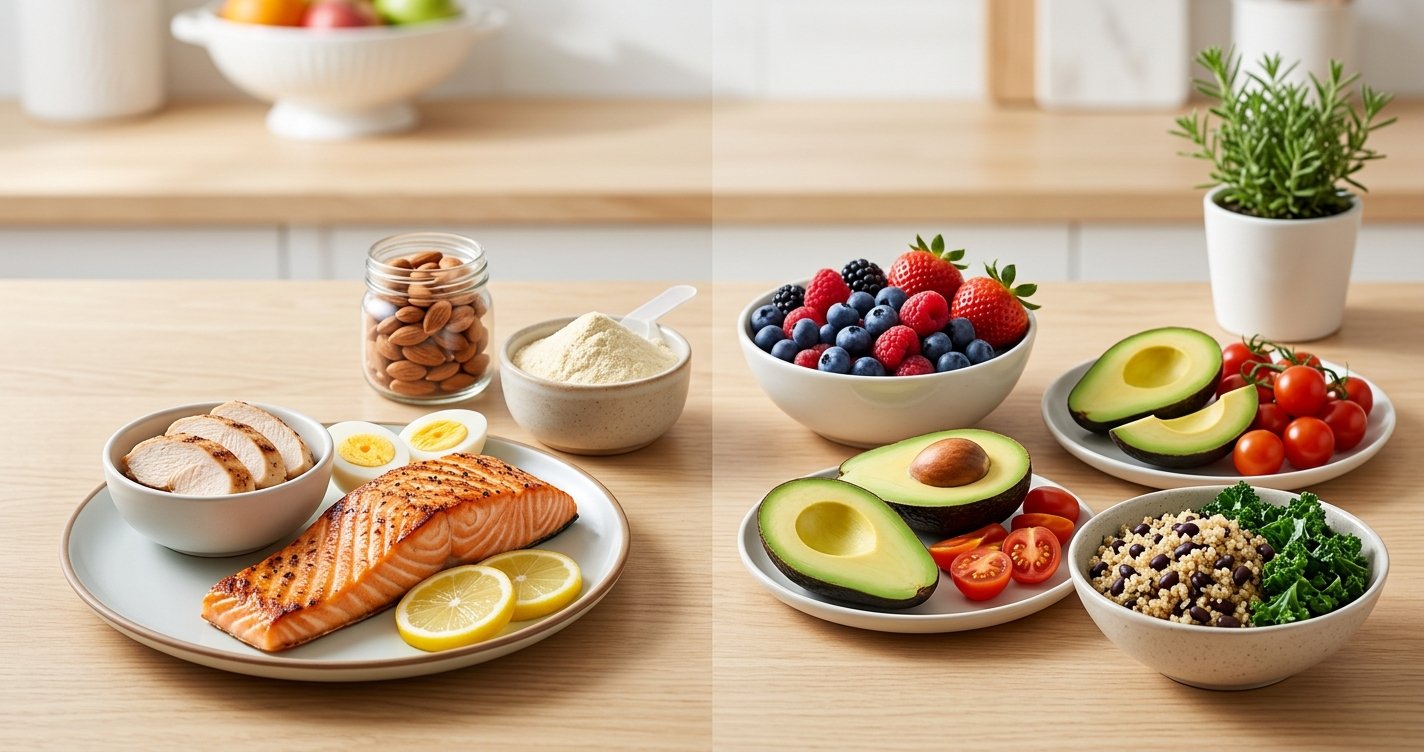
Enter the dynamic duo: Protein and Fiber. These two nutritional powerhouses aren't just good for you; they are your secret weapons for building a body that feels strong, energized, and naturally inclined to shed excess fat. Forget feeling deprived; by strategically incorporating more protein and fiber into your daily meals, you can transform your relationship with food, conquer cravings, and create a sustainable path to the body you desire. Let's dive into how these two superstars work together to revolutionize your fat loss journey. this excellent wellness product
Why Traditional Diets Often Miss the Mark
Many diets fail because they don't address the fundamental human experience of hunger and satiety. When you drastically cut calories without focusing on nutrient density, your body sends strong signals to eat more. This can lead to intense cravings, low energy, and a feeling of constant deprivation, making it incredibly difficult to stick to your goals. Furthermore, severe calorie restriction can sometimes lead to muscle loss, which in turn slows down your metabolism, making fat loss even harder.
The beauty of protein and fiber lies in their ability to combat these common diet pitfalls. They help you feel full and satisfied, support your metabolism, and provide essential nutrients, transforming fat loss from a battle of willpower into a more natural and enjoyable process.
Protein: Your Muscle-Sparing, Hunger-Crushing Ally
Protein is much more than just a building block for muscles. It plays a pivotal role in fat loss through several key mechanisms:
The Satiety Superstar
Perhaps protein's most celebrated fat loss benefit is its incredible ability to keep you feeling full and satisfied for longer periods. When you eat protein, it triggers the release of hormones like CCK and GLP-1, which signal fullness to your brain, while simultaneously suppressing ghrelin, the hunger hormone. This means fewer cravings, less mindless snacking, and a natural reduction in overall calorie intake without feeling like you're starving.
The Thermic Effect of Food (TEF) Boost
Digesting and metabolizing food requires energy, and protein demands the most. This is known as the Thermic Effect of Food (TEF). While carbohydrates have a TEF of 5-10% and fats 0-3%, protein boasts a TEF of 20-30%. This means that for every 100 calories of protein you consume, your body burns 20-30 calories just to process it. It's a small but significant metabolic advantage that adds up over time.
Muscle Preservation is Key
During a fat loss phase, it's crucial to preserve your lean muscle mass. Muscle is metabolically active tissue, meaning it burns more calories at rest than fat. A higher protein intake helps protect your muscles from being broken down for energy, ensuring your metabolism stays humming and your body composition improves. This is particularly important when combined with strength training.
How Much Protein Do You Need?
While individual needs vary, a general guideline for active individuals aiming for fat loss is to consume between 1.6 to 2.2 grams of protein per kilogram of body weight per day. Spreading your protein intake throughout the day, aiming for 20-40 grams per meal, can optimize muscle protein synthesis and satiety.
Top Protein Sources:
- Lean meats (chicken breast, turkey, lean beef)
- Fish and seafood (salmon, cod, tuna, shrimp)
- Eggs
- Dairy (Greek yogurt, cottage cheese, milk)
- Legumes (lentils, beans, chickpeas)
- Tofu and tempeh
- Protein powder (whey, casein, plant-based)
Fiber: The Gut-Friendly, Fat-Loss Facilitator
Often overlooked, fiber is an unsung hero in the world of fat loss. This indigestible carbohydrate offers a wealth of benefits that directly support your goals:
The Volume & Fullness Factor
Fiber adds bulk to your meals without adding significant calories. When you eat fiber-rich foods, they expand in your stomach, creating a feeling of fullness and satisfaction. This helps reduce overall food intake by making your meals more substantial and enjoyable, preventing you from overeating or feeling hungry shortly after a meal.
Blood Sugar Regulation for Stable Energy
Soluble fiber, in particular, slows down the absorption of sugar into your bloodstream. This prevents rapid spikes and crashes in blood sugar, which are often followed by intense cravings and energy dips. By maintaining stable blood sugar levels, fiber helps you sustain energy throughout the day and reduces the urge to reach for sugary snacks.
Gut Health Hero
Fiber is essential for a healthy gut microbiome. It acts as a prebiotic, feeding the beneficial bacteria in your digestive system. A balanced gut microbiome is increasingly linked to better metabolism, reduced inflammation, and improved weight management. A happy gut often means a healthier weight.
How Much Fiber Do You Need?
Most adults in Western countries don't get enough fiber. The recommended daily intake is 25 grams for women and 38 grams for men. When increasing your fiber intake, do so gradually and remember to drink plenty of water to help with digestion.
Top Fiber Sources:
- Fruits (berries, apples, pears with skin)
- Vegetables (broccoli, spinach, carrots, Brussels sprouts)
- Whole grains (oats, quinoa, brown rice, whole-wheat bread)
- Legumes (beans, lentils, chickpeas)
- Nuts and seeds (almonds, chia seeds, flax seeds)
Synergy in Action: Combining Protein and Fiber for Optimal Results
While protein and fiber are powerful on their own, their true magic happens when they are combined. Think about it: a meal rich in both will not only be incredibly filling and satisfying but also provide a sustained release of energy, keep your blood sugar stable, and support your metabolism.
Imagine a breakfast of Greek yogurt with berries and a sprinkle of chia seeds. Or a lunch of a vibrant salad packed with leafy greens, roasted vegetables, lentils, and grilled chicken. These meals exemplify the perfect synergy, offering maximum satiety and nutritional value for fewer calories, making fat loss feel effortless rather than a struggle.
Practical Tips to Boost Your Protein & Fiber Intake Daily
Breakfast Power-Up:
- Add a scoop of protein powder to your oatmeal or smoothie.
- Opt for scrambled eggs with spinach and whole-grain toast.
- Choose Greek yogurt with berries and a handful of nuts.
Lunch & Dinner Strategies:
- Aim to fill half your plate with non-starchy vegetables.
- Include a lean protein source (chicken, fish, tofu, beans) at every meal.
- Swap white rice/pasta for quinoa, brown rice, or whole-wheat alternatives.
- Add legumes to soups, stews, and salads.
Smart Snacking:
- Keep hard-boiled eggs, cottage cheese, or Greek yogurt handy.
- Pair an apple with a tablespoon of nut butter.
- Grab a handful of almonds or walnuts.
- Munch on raw veggies with hummus.
Hydration is Key:
When increasing fiber, ensure you're drinking plenty of water throughout the day. This helps fiber move through your digestive system smoothly and prevents discomfort.
Beyond the Plate: Lifestyle Factors for Sustainable Success
While nutrition is paramount, remember that sustainable fat loss is a holistic journey. Don't forget these crucial lifestyle factors:
- Adequate Sleep: Poor sleep can disrupt hunger hormones (ghrelin and leptin), leading to increased cravings and appetite.
- Stress Management: Chronic stress elevates cortisol, which can promote fat storage, especially around the midsection. Find healthy ways to manage stress.
- Strength Training: Incorporating resistance exercises helps build and maintain muscle mass, further boosting your metabolism and improving body composition.
Embrace the Power of Protein and Fiber
You don't need extreme diets or complicated plans to achieve sustainable fat loss. By focusing on the powerful combination of protein and fiber, you can eat delicious, satisfying meals that naturally support your body's ability to burn fat. This approach fosters a healthier relationship with food, reduces cravings, and keeps you feeling full and energized. Start making small, consistent changes today, and watch as the dynamic duo of protein and fiber transforms your fat loss journey into a path of sustainable success and genuine well-being. Your body will thank you!