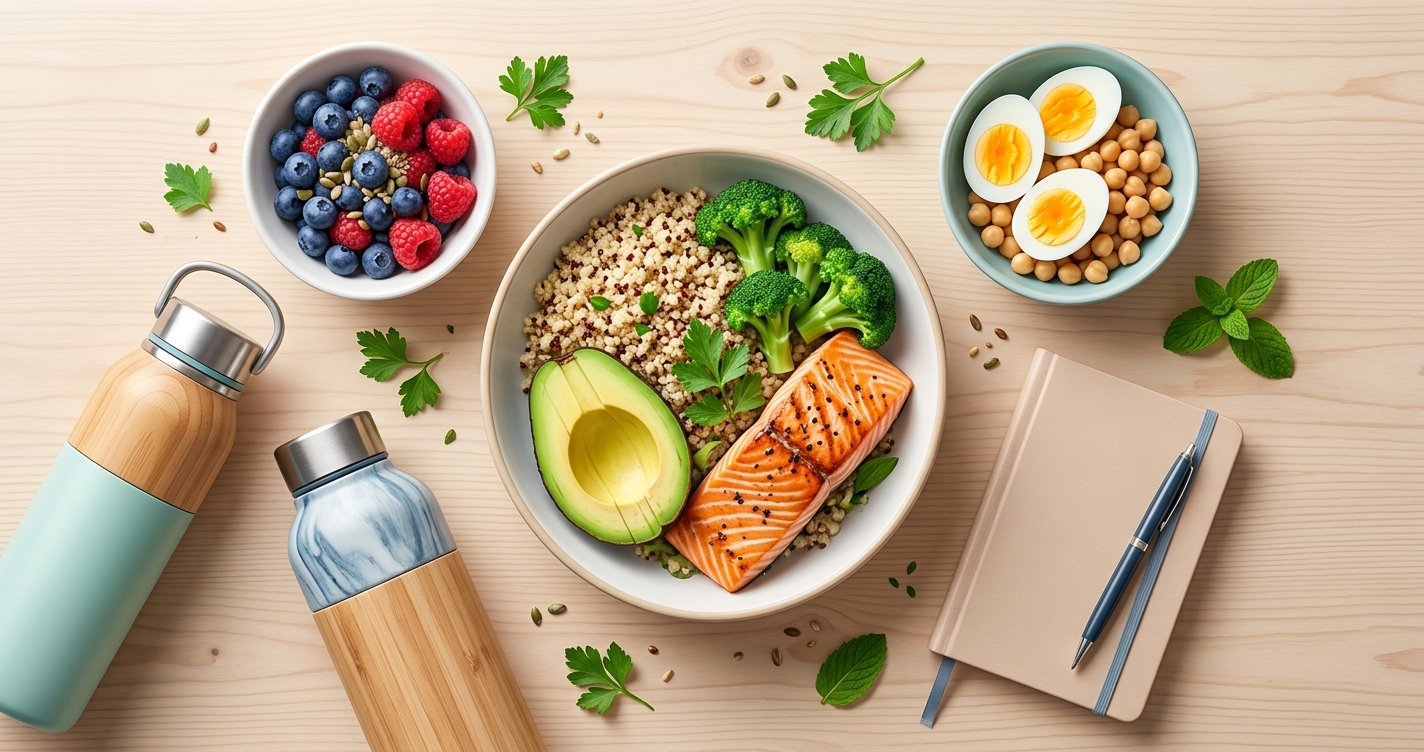
Beyond Calories: Unlock Sustainable Fat Loss with Protein, Fiber & Smart Nutrition
Are you tired of the endless cycle of restrictive diets, quick fixes, and the frustration of fat loss plateaus? You're not alone. Many of us have been conditioned to believe that losing fat is simply about 'eating less' or 'working out more.' While a calorie deficit is fundamental, focusing solely on calorie counting can often lead to burnout, nutrient deficiencies, and a metabolism that just doesn't want to cooperate. The good news? There's a smarter, more sustainable, and frankly, more enjoyable way to achieve lasting fat loss.
This isn't about deprivation; it's about empowerment through smart nutrition. Today, we're diving deep into the often-underestimated power of two nutritional superstars – protein and fiber – and how making strategic food swaps can revolutionize your fat loss journey, keeping you full, energized, and thriving. Get ready to ditch the diet mentality and embrace a lifestyle that truly works! this excellent wellness product
Why "Just Eating Less" Often Fails: The Metabolic & Hunger Factor
It sounds simple, right? Eat fewer calories than you burn, and you'll lose weight. And scientifically, that's true. However, the human body is a complex, adaptive machine. When you drastically cut calories, especially without considering nutrient quality, your body can interpret this as a famine. This often triggers a cascade of metabolic adaptations designed to conserve energy and hold onto fat stores. Your metabolism can slow down, and your hunger hormones (like ghrelin) can go into overdrive, making you constantly crave food.
Furthermore, extreme calorie restriction often leads to muscle loss alongside fat loss. Muscle is metabolically active tissue, meaning it burns more calories at rest than fat does. Losing muscle means your resting metabolic rate drops, making it even harder to maintain fat loss in the long run. This is where the concept of nutrient density and satiety becomes incredibly powerful – it's about getting the most nutritional bang for your caloric buck, keeping you full and satisfied, and preserving that precious muscle.
The Protein Powerhouse: Your Ally for Fat Loss
If there's one nutrient that deserves a spotlight in any fat loss strategy, it's protein. It's not just for bodybuilders; it's a critical component for everyone aiming for a leaner, healthier body.
How Protein Boosts Metabolism and Satiety
- High Thermic Effect of Food (TEF): Protein has the highest TEF compared to carbohydrates and fats. This means your body expends more energy (calories) just to digest, absorb, and metabolize protein. It's like a built-in calorie burner!
- Satiety & Reduced Cravings: Protein is incredibly satiating. It helps you feel fuller for longer, reducing the likelihood of overeating and snacking on unhealthy foods. Studies consistently show that higher protein diets lead to greater feelings of fullness and can significantly reduce late-night cravings.
- Muscle Preservation: When you're in a calorie deficit, your body can break down muscle for energy. Adequate protein intake helps to protect your muscle mass, which is crucial for maintaining a healthy metabolism and a toned physique.
Practical Tips for Upping Your Protein Intake
- Prioritize Protein at Every Meal: Aim for a lean protein source with breakfast, lunch, and dinner. Think eggs, Greek yogurt, chicken breast, fish, lean beef, tofu, or lentils.
- Smart Snacking: Instead of chips or cookies, opt for protein-rich snacks like a handful of almonds, cottage cheese, a protein shake, or hard-boiled eggs.
- Be Mindful of Portions: A general guideline for active individuals aiming for fat loss is to consume around 0.7-1 gram of protein per pound of body weight. Consult with a nutritionist for personalized recommendations.
Fiber: The Unsung Hero of Satiety and Gut Health
Often overlooked, fiber is another nutritional superstar that plays a pivotal role in sustainable fat loss. It's not just about regularity; it's a key player in keeping you full, balancing blood sugar, and nurturing your gut.
The Double Whammy: Fullness and Digestive Wellness
- Increased Satiety: Fiber, particularly soluble fiber, absorbs water and forms a gel-like substance in your digestive system. This slows down digestion, making you feel fuller for longer and preventing rapid spikes and crashes in blood sugar that can lead to cravings.
- Blood Sugar Control: By slowing the absorption of sugar, fiber helps to stabilize blood glucose levels. This prevents insulin spikes, which can otherwise signal your body to store fat.
- Gut Health: Dietary fiber acts as a prebiotic, feeding the beneficial bacteria in your gut. A healthy gut microbiome is increasingly linked to better weight management, improved mood, and overall well-being.
Easy Ways to Add More Fiber to Your Diet
- Load Up on Veggies and Fruits: Aim for a variety of colorful vegetables at every meal. Berries, apples, pears (with skin), and leafy greens are excellent fiber sources.
- Embrace Whole Grains: Swap white bread, white rice, and refined pasta for their whole-grain counterparts like oats, quinoa, brown rice, and whole-wheat pasta.
- Don't Forget Legumes, Nuts, and Seeds: Lentils, beans, chickpeas, chia seeds, flax seeds, and almonds are packed with fiber and can be easily incorporated into salads, yogurts, or as snacks.
- Increase Gradually: If you're not used to a high-fiber diet, increase your intake slowly to avoid digestive discomfort, and remember to drink plenty of water!
Smart Swaps: Making Every Calorie Count
Sustainable fat loss isn't about cutting out entire food groups; it's about making smarter choices that align with your goals. These "smart swaps" allow you to enjoy delicious food while maximizing nutrient density and minimizing empty calories.
Ditch the Empty Calories, Embrace Nutrient Density
- Sugary Drinks & Juices > Water, Unsweetened Tea/Coffee, Sparkling Water: Liquid calories don't provide the same satiety as solid food, and sugar-sweetened beverages are a major contributor to excess calorie intake. Hydration is key for metabolism and overall health.
- White Grains > Whole Grains: As mentioned, whole grains offer more fiber and nutrients, keeping you fuller and supporting stable blood sugar.
- Processed Snacks (Chips, Cookies) > Nuts, Seeds, Fruit, Veggie Sticks & Hummus: These swaps replace highly palatable, low-nutrient snacks with options rich in healthy fats, fiber, and vitamins.
- Creamy/Sugary Dressings > Vinegar-Based Dressings, Lemon Juice, Herbs & Spices: Many store-bought dressings are loaded with hidden sugars, unhealthy fats, and excess calories. Make your own or opt for lighter alternatives.
- Unhealthy Fats (Trans Fats, Excessive Saturated) > Healthy Fats (Avocado, Olive Oil, Nuts): While fats are calorie-dense, healthy fats are essential for hormone production, nutrient absorption, and satiety. Focus on quality.
Think about volume eating – choosing foods that are low in calories but high in volume (like vegetables) allows you to eat more and feel more satisfied without overdoing your calorie intake.
Beyond Food: The Lifestyle Pillars of Sustainable Fat Loss
While nutrition is paramount, sustainable fat loss is a holistic endeavor. Your lifestyle plays a massive role in how your body responds and adapts.
Sleep, Stress, and Hydration: Don't Underestimate Their Impact
- Quality Sleep: Lack of sleep can wreak havoc on your hunger hormones (ghrelin increases, leptin decreases), making you hungrier and more prone to cravings. Aim for 7-9 hours of quality sleep per night.
- Stress Management: Chronic stress elevates cortisol levels, which can promote fat storage, particularly around the midsection. Incorporate stress-reducing activities like meditation, yoga, or spending time in nature.
- Hydration: Often mistaken for hunger, thirst can lead to unnecessary snacking. Drinking enough water throughout the day supports metabolism, energy levels, and can help you feel fuller.
The Role of Movement (It's Not Just About Cardio!)
- Strength Training: Lifting weights is crucial for building and preserving muscle mass, which boosts your metabolism and helps create a more toned physique. Don't be afraid to lift heavy!
- Non-Exercise Activity Thermogenesis (NEAT): This refers to the calories you burn from everyday movements outside of structured exercise – walking, fidgeting, taking the stairs. Increasing your NEAT can significantly contribute to your daily calorie expenditure.
- Mindful Movement: Find activities you enjoy, whether it's dancing, hiking, cycling, or playing sports. Consistency is far more important than intensity if you don't enjoy it.
Your Journey to a Healthier You: Taking the First Step
Embarking on a sustainable fat loss journey can feel overwhelming, but remember, every big change starts with small, consistent steps. Focus on progress, not perfection. Instead of drastic overhauls, pick one or two areas from this guide that resonate with you and start there.
Perhaps it's adding a protein source to every meal, or swapping your sugary soda for water. Maybe it's committing to 30 minutes of walking each day. Celebrate these small victories! Consistency, patience, and self-compassion are your most powerful tools. Your body is capable of amazing things when nourished and treated with respect.
Sustainable fat loss isn't just about a number on the scale; it's about building a healthier, stronger, and more vibrant you – inside and out. It's about cultivating habits that serve you for a lifetime, allowing you to enjoy food, feel great, and live life to the fullest. You've got this!