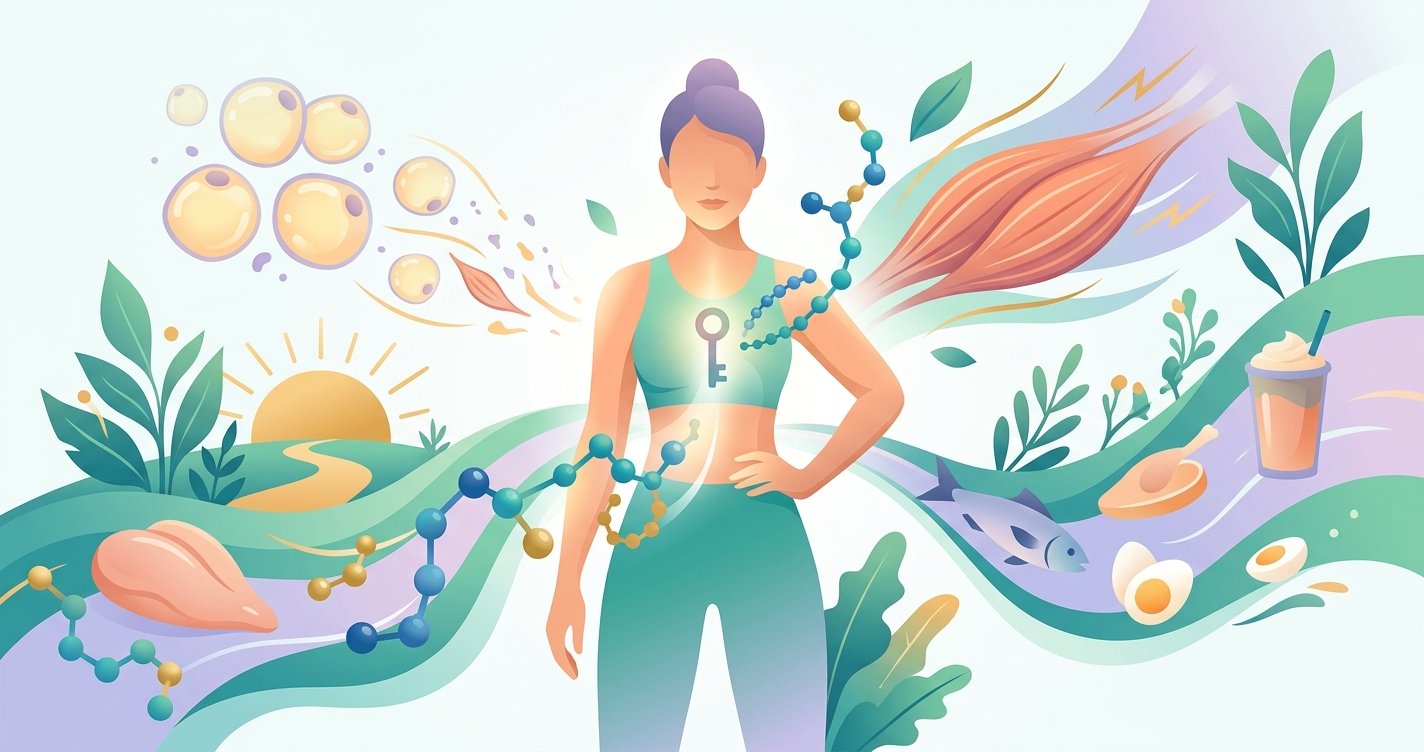
Unlock Sustainable Fat Loss: The Unbeatable Power of Protein
Are you tired of the endless cycle of restrictive diets, fleeting results, and feeling constantly hungry? You're not alone. Many people struggle with fat loss, often overlooking one of the most powerful allies in their journey: protein. It's not just for bodybuilders; protein is a fundamental nutrient that plays a crucial, multifaceted role in helping you achieve and maintain a leaner, healthier body.
Forget the fads and unsustainable quick fixes. This isn't about deprivation; it's about smart, evidence-based nutrition that empowers you. In this post, we're going to dive deep into why protein is your secret weapon for sustainable fat loss, how much you really need, and practical, delicious ways to incorporate more of it into your daily life. Get ready to feel fuller, preserve muscle, and boost your metabolism – all while enjoying your food! this excellent wellness product
Why Protein is Your Ultimate Ally for Fat Loss
Protein isn't just a building block; it's a metabolic powerhouse that impacts several key areas critical for successful fat loss. Let's break down its incredible benefits.
1. The Satiety Superpower: Feeling Full, Longer
One of the biggest hurdles in any fat loss journey is hunger. Constant cravings and a rumbling stomach can derail even the most determined efforts. This is where protein shines! Numerous studies show that protein is the most satiating macronutrient. When you eat protein, it signals to your brain that you've had enough, reducing ghrelin (the hunger hormone) and increasing peptide YY and GLP-1 (satiety hormones).
Imagine eating a meal and feeling genuinely satisfied, without the urge to snack again an hour later. That's the protein effect in action! By keeping you fuller for longer, protein naturally helps you consume fewer calories throughout the day without feeling deprived or constantly battling your appetite. This makes adhering to a modest calorie deficit significantly easier and more enjoyable.
2. Boosting Your Metabolism: The Thermic Effect of Food (TEF)
Did you know that your body expends energy just to digest, absorb, and metabolize the food you eat? This is called the Thermic Effect of Food (TEF), and protein has a significantly higher TEF than carbohydrates or fats. While fats have a TEF of 0-3% and carbohydrates 5-10%, protein boasts a whopping 20-30% TEF.
What does this mean for you? It means that for every 100 calories of protein you consume, your body uses 20-30 of those calories just to process it. In contrast, for 100 calories of fat, only 0-3 calories are used. By increasing your protein intake, you essentially give your metabolism a gentle, continuous boost, helping you burn more calories around the clock. Over time, this cumulative effect can make a meaningful difference in your fat loss progress.
3. Protecting Your Hard-Earned Muscle Mass
When you're in a calorie deficit to lose fat, your body doesn't always discriminate between fat and muscle. Unfortunately, muscle tissue can be lost alongside fat, which is detrimental to your long-term health and metabolism. Muscle is metabolically active, meaning it burns more calories at rest than fat does. Losing muscle can slow down your metabolism, making it harder to keep the weight off.
This is where protein steps in as your muscle guardian! A high protein intake, especially when combined with resistance training, is crucial for preserving lean muscle mass during a fat loss phase. Protein provides the amino acids necessary for muscle repair and synthesis, signaling to your body to hold onto that valuable muscle tissue while encouraging fat stores to be utilized for energy. This ensures that the weight you lose is primarily fat, not muscle, keeping your metabolism revved up and your body strong.
How Much Protein Do You Really Need for Fat Loss?
The Recommended Dietary Allowance (RDA) for protein is 0.8 grams per kilogram of body weight, but this is merely the minimum to prevent deficiency, not necessarily optimal for fat loss or muscle preservation. For active individuals or those aiming for fat loss, research suggests a significantly higher intake.
Most evidence-based recommendations for fat loss fall within the range of 1.6 to 2.2 grams of protein per kilogram of body weight (0.7 to 1.0 grams per pound of body weight). For example, if you weigh 70 kg (about 154 lbs), aiming for 112-154 grams of protein per day would be a great target. If you're very active or have a higher body fat percentage, you might even benefit from the upper end of this range.
It's also important to distribute your protein intake throughout the day. Aim for 20-40 grams of protein at each main meal (breakfast, lunch, and dinner) and consider protein-rich snacks to ensure a steady supply of amino acids and maximize satiety.
Practical Strategies to Boost Your Protein Intake
Increasing your protein doesn't have to be complicated or boring! Here are some simple, delicious ways to incorporate more into your daily routine:
1. Prioritize Protein at Every Meal
- Breakfast: Ditch sugary cereals. Opt for scrambled eggs, Greek yogurt with berries, cottage cheese, a protein smoothie, or even leftover lean meat.
- Lunch & Dinner: Build your plate around a lean protein source. Think chicken breast, fish, lean beef, turkey, tofu, tempeh, or lentils.
- Snacks: Instead of chips or sweets, reach for hard-boiled eggs, a handful of almonds, string cheese, a protein bar, or a small serving of cottage cheese.
2. Smart Meal Planning & Preparation
A little planning goes a long way. Cook larger batches of protein sources (like grilled chicken or roasted chickpeas) at the beginning of the week to easily add to meals and snacks. Keep convenient protein options on hand.
3. Don't Forget Plant-Based Proteins
While animal sources are complete proteins, plant-based options are fantastic too! Legumes (beans, lentils, chickpeas), tofu, tempeh, edamame, quinoa, and nuts/seeds all contribute valuable protein and fiber. Combining different plant proteins throughout the day ensures you get all essential amino acids.
4. Harness the Power of Protein Supplements (When Needed)
Protein powders (whey, casein, soy, pea, rice) can be incredibly convenient, especially if you struggle to meet your protein targets through whole foods alone or for a quick post-workout boost. They are supplements, not meal replacements, so focus on getting most of your protein from whole, unprocessed foods first.
Beyond the Macro: Quality Matters!
While hitting your protein target is important, the quality of your protein sources also makes a difference. Opt for lean, minimally processed options whenever possible:
- Lean Meats: Chicken breast, turkey, lean beef cuts (sirloin, round), pork tenderloin.
- Fish & Seafood: Salmon, tuna, cod, shrimp, tilapia (rich in omega-3s too!).
- Eggs: A complete protein powerhouse.
- Dairy: Greek yogurt, cottage cheese, milk, cheese (in moderation).
- Legumes: Beans, lentils, chickpeas.
- Soy Products: Tofu, tempeh, edamame.
These sources not only provide ample protein but often come with a host of other beneficial nutrients, vitamins, and minerals.
Integrating Protein for Lasting Success (Not Just a Diet!)
Embracing a higher protein intake isn't just a temporary diet strategy; it's a sustainable lifestyle change that supports your overall health and body composition goals. It's about building healthy habits that you can maintain long-term, leading to lasting fat loss and improved well-being.
Remember, fat loss is a journey, not a race. Be patient with yourself, focus on consistency, and celebrate small victories. Combine your increased protein intake with a balanced diet rich in whole foods, plenty of vegetables, adequate hydration, regular physical activity (including strength training!), and sufficient sleep for the best results. Protein is a powerful tool, but it works best as part of a holistic approach to health.
Conclusion: Your Protein-Powered Path to a Leaner You
Protein is far more than just a macronutrient; it's a cornerstone of effective and sustainable fat loss. By prioritizing protein in your diet, you'll naturally feel fuller, boost your metabolism, and protect your precious muscle mass, all while making your fat loss journey more manageable and enjoyable.
Start today by making small, consistent changes. Add an extra serving of protein to your breakfast, choose a protein-rich snack, or swap out a carb-heavy side for a lean protein source. These small adjustments can lead to significant, lasting results. Embrace the power of protein and embark on your path to a healthier, stronger, and leaner you!