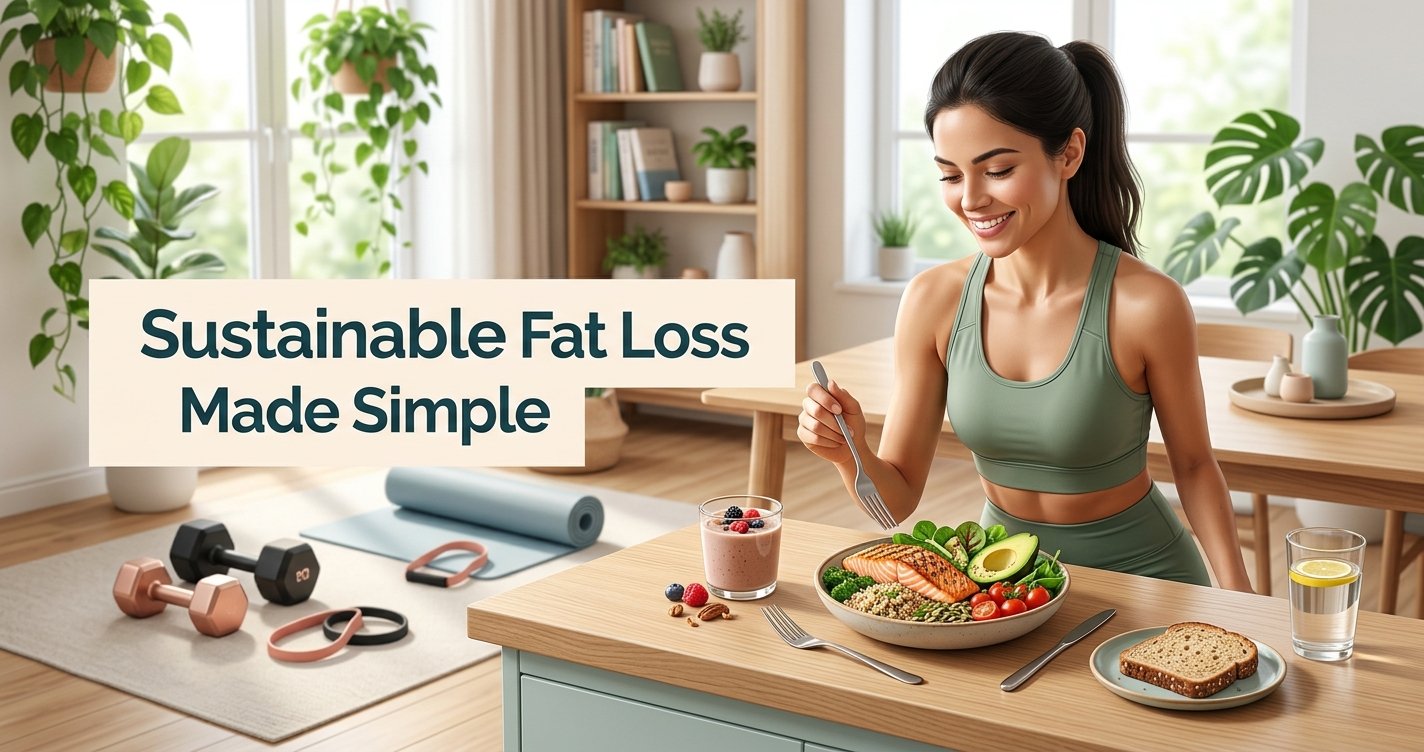
Tired of the Yo-Yo? Unlock Sustainable Fat Loss with a Smarter Approach
Have you ever felt caught in the endless cycle of crash diets, quick fixes, and the inevitable rebound? You’re not alone. The journey to fat loss can often feel like a frustrating maze, filled with conflicting advice and unsustainable restrictions. But what if there was a simpler, more effective way to achieve lasting results without sacrificing your well-being or joy in eating? The good news is, there is!
Forget extreme deprivation and exhausting cardio marathons. True, sustainable fat loss isn't about punishment; it's about building a foundation of healthy habits that nourish your body, boost your metabolism, and foster a positive relationship with food. In this comprehensive guide, we'll dive deep into three powerful, evidence-based pillars that can transform your body and mind: optimizing your protein intake, embracing the incredible benefits of strength training, and cultivating mindful eating practices. Get ready to discover a path to a leaner, stronger, and healthier you – for good! this excellent wellness product
Why Crash Diets Always Fail (And What to Do Instead)
Before we dive into the solutions, let's briefly understand why so many traditional 'diet' approaches fall short. Crash diets, characterized by severe calorie restriction and often the elimination of entire food groups, might offer rapid initial weight loss. However, this loss is often a mix of water, muscle, and some fat, rather than purely fat. The human body is incredibly adaptable, and when faced with extreme deprivation, it often slows down its metabolism to conserve energy – a process known as metabolic adaptation.
Furthermore, restrictive diets are notoriously difficult to maintain long-term. They can lead to nutrient deficiencies, intense cravings, fatigue, and a negative psychological impact, including increased anxiety around food. The moment these diets end, the body, still in 'starvation mode,' is primed to store energy (fat) more efficiently, leading to rapid weight regain, often surpassing the initial starting point. This yo-yo effect isn't just disheartening; it can be detrimental to your long-term health and metabolism.
Instead of battling your body, we need to work with it. Our focus shifts from rapid, unsustainable loss to gradual, consistent progress built on practices that support your metabolism, preserve muscle, and feel genuinely good.
The Mighty Macronutrient: Why Protein is Your Fat Loss Ally
When it comes to fat loss, protein isn't just important; it's arguably the most crucial macronutrient. Here's why making protein a priority can revolutionize your results:
- Satiety Superstar: Protein is incredibly satiating, meaning it keeps you feeling fuller for longer compared to carbohydrates or fats. This natural appetite suppression helps reduce overall calorie intake by curbing cravings and preventing mindless snacking, making it easier to stick to a calorie deficit without feeling constantly hungry.
- Thermic Effect of Food (TEF): Your body expends energy just to digest and metabolize the food you eat. This is known as the Thermic Effect of Food (TEF). Protein has the highest TEF of all macronutrients, meaning a significant portion of the calories from protein are burned off during digestion. While not a magic bullet, this small metabolic boost adds up over time.
- Muscle Preservation: During a calorie deficit, your body doesn't just burn fat; it can also break down muscle tissue for energy. Adequate protein intake is absolutely essential to preserve lean muscle mass. Maintaining muscle is critical because muscle is metabolically active, burning more calories at rest than fat tissue does. Losing muscle means a slower metabolism, making fat loss harder and weight regain easier.
- Repair and Recovery: Protein provides the amino acids necessary for repairing and building tissues, including muscle. If you're incorporating strength training (which we'll discuss next!), sufficient protein intake is vital for recovery and adapting to your workouts, leading to stronger muscles.
How Much Protein Do You Need?
For fat loss, a good general guideline is to aim for 1.6 to 2.2 grams of protein per kilogram of body weight (or 0.7 to 1 gram per pound of body weight) per day. Distribute this intake across your meals and snacks for optimal absorption and satiety. Excellent sources include lean meats (chicken, turkey, beef), fish (salmon, tuna, cod), eggs, dairy (Greek yogurt, cottage cheese), legumes (lentils, beans), tofu, and protein supplements like whey or plant-based powders.
Sculpt Your Body, Boost Your Metabolism: The Magic of Strength Training
If you're still relying solely on endless cardio for fat loss, it's time to embrace the game-changer: strength training. While cardio has its place for cardiovascular health, strength training is unparalleled for body recomposition – changing your body's fat-to-muscle ratio – and metabolic health. It's not just about 'bulking up'; it's about building a more efficient, resilient, and aesthetically pleasing body.
- Metabolic Powerhouse: Muscle tissue is far more metabolically active than fat tissue. This means that the more muscle you have, the more calories your body burns at rest, even when you're just sitting on the couch. Think of it as investing in your resting metabolism – a higher resting metabolic rate makes achieving and maintaining a calorie deficit much easier.
- The 'Afterburn Effect' (EPOC): Unlike cardio, which primarily burns calories during the activity itself, intense strength training triggers Excess Post-exercise Oxygen Consumption (EPOC). This means your body continues to burn calories at an elevated rate for hours, sometimes even a full day, after your workout as it recovers and repairs muscle tissue.
- Improved Body Composition: While the scale might not always show dramatic drops with strength training (because you're building dense muscle while losing fat), your body composition will transform. You'll look leaner, more toned, and feel incredibly stronger. Clothes will fit differently, and your reflection will show a more sculpted physique.
- Beyond Aesthetics: Strength training offers a wealth of health benefits far beyond fat loss. It improves bone density, reduces the risk of injury, enhances functional strength for daily activities, improves insulin sensitivity, and can significantly boost mood and confidence.
Getting Started with Strength Training
You don't need to live in the gym to reap these benefits. Aim for 2-4 strength training sessions per week, focusing on compound movements that work multiple muscle groups (e.g., squats, deadlifts, lunges, push-ups, rows). You can use bodyweight, resistance bands, dumbbells, or gym machines. The key is progressive overload – gradually increasing the challenge (more weight, more reps, more sets, or less rest) over time to continually stimulate muscle growth and adaptation. Don't be afraid to lift heavy; it's how you build strength and shape your body!
Beyond the Plate: Cultivating Mindful Eating for Lasting Change
We've talked about what to eat (protein) and how to move (strength training), but how you eat is just as crucial for sustainable fat loss and a healthy relationship with food. Mindful eating is a practice that involves bringing full awareness to your eating experience – paying attention to your hunger and fullness cues, the flavors and textures of your food, and the overall experience, rather than simply consuming food on autopilot.
In our fast-paced world, it's easy to eat while distracted by screens, work, or stress. This often leads to overeating, poor digestion, and a disconnect from our body's natural signals. Mindful eating helps you:
- Recognize Hunger and Fullness: Learn to distinguish between true physical hunger and emotional hunger (boredom, stress, habit). Start eating when you're moderately hungry and stop when you're satisfied, not stuffed.
- Slow Down and Savor: Eating slowly allows your body time to register fullness signals, which typically take about 20 minutes to reach your brain. It also enhances the enjoyment of your food, making the experience more satisfying.
- Reduce Overeating: By being present, you're less likely to mindlessly consume large portions or snack unnecessarily. You'll notice when you've had enough, even if there's still food on your plate.
- Improve Digestion: Eating slowly and chewing thoroughly aids digestion, preventing discomfort and improving nutrient absorption.
- Foster a Healthier Relationship with Food: Mindful eating moves away from labeling foods as 'good' or 'bad' and instead encourages a balanced, non-judgmental approach. It empowers you to make conscious choices that serve your body and health, rather than feeling controlled by cravings or restrictive rules.
Practical Tips for Mindful Eating:
- Eliminate Distractions: Turn off the TV, put away your phone, and focus solely on your meal.
- Eat Slowly: Put your fork down between bites. Take a moment to chew thoroughly and taste your food.
- Engage Your Senses: Notice the colors, aromas, textures, and flavors of your meal.
- Check-in with Your Body: Before, during, and after eating, ask yourself how hungry or full you feel on a scale of 1-10.
- Listen to Your Body's Wisdom: Trust that your body knows what it needs.
Bringing It All Together: Your Sustainable Fat Loss Roadmap
Achieving sustainable fat loss isn't about chasing perfection; it's about consistent, intentional effort in key areas. By integrating these three powerful pillars – optimal protein intake, regular strength training, and mindful eating – you create a holistic approach that supports both your physical and mental well-being.
- Prioritize Protein at Every Meal: Start your day with protein, include it in your snacks, and make it the centerpiece of your main meals.
- Commit to Strength Training: Aim for 3-4 sessions per week. Consistency is more important than intensity in the beginning. Focus on proper form and progressive overload.
- Practice Mindful Eating: Even if it's just for one meal a day to start, consciously slow down, tune into your body, and savor your food.
- Don't Forget the Basics: While not the primary focus of this post, remember the foundational importance of adequate sleep (7-9 hours), managing stress, and staying well-hydrated. These factors significantly impact your hormones, energy levels, and overall ability to lose fat.
- Be Patient and Kind to Yourself: Sustainable change takes time. There will be good days and challenging days. Celebrate small victories, learn from setbacks, and remember that progress, not perfection, is the goal.
Your Journey to Lasting Transformation Starts Now!
You have the power to step off the diet roller coaster and embark on a path that leads to genuine, lasting transformation. By focusing on protein for satiety and muscle preservation, strength training for a boosted metabolism and sculpted physique, and mindful eating for a healthier relationship with food, you're not just losing weight – you're building a stronger, healthier, and more vibrant you from the inside out. Embrace these evidence-based strategies, trust the process, and get ready to unlock your body's full potential. Your sustainable fat loss journey begins today!