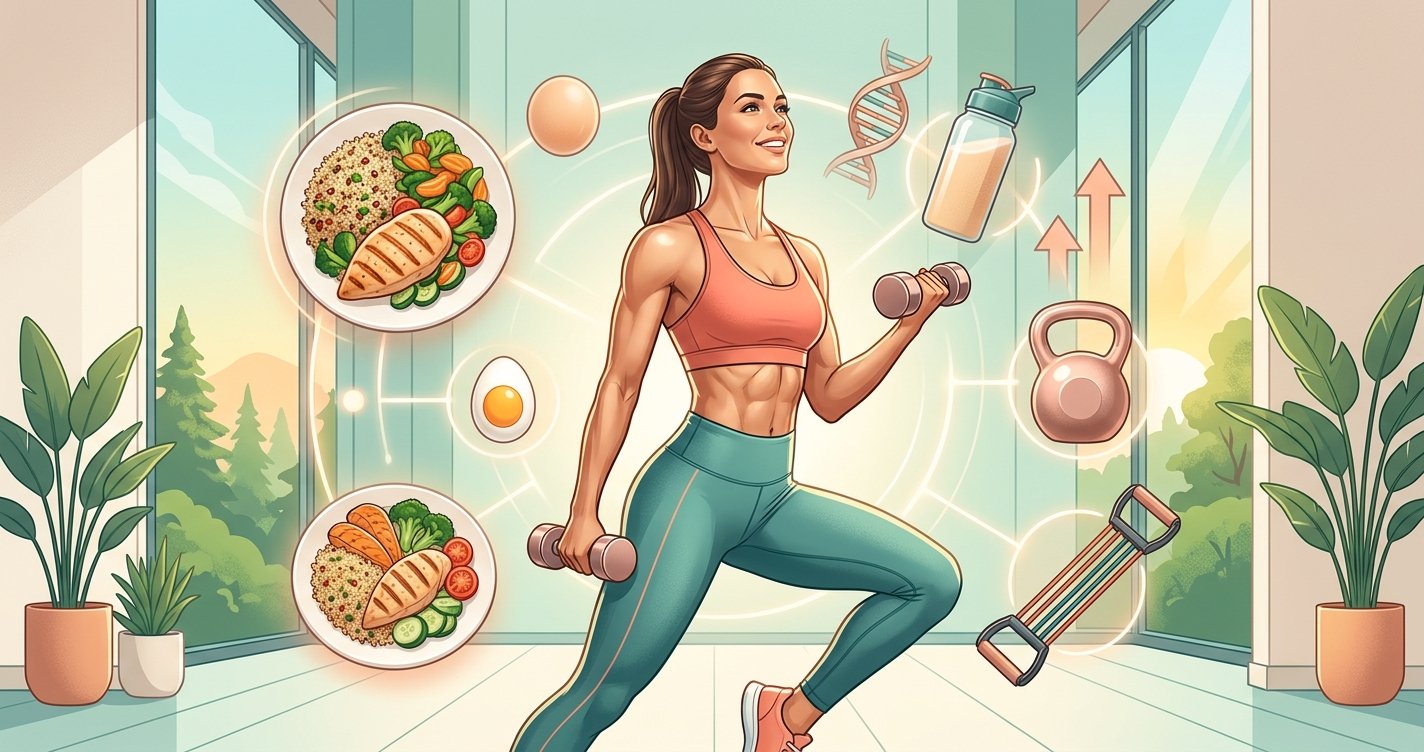
Are you tired of the endless cycle of restrictive diets, quick fixes, and the frustration of losing weight only to gain it all back? You're not alone. Many people embark on a fat loss journey feeling overwhelmed by conflicting advice and unrealistic expectations. But what if there was a more sustainable, enjoyable, and effective path?
Forget the fads and extreme deprivation. True, lasting fat loss isn't just about 'eating less'; it's about eating smarter and moving stronger. This post will reveal two powerful, evidence-based pillars for achieving and maintaining your ideal body composition: prioritizing protein and embracing strength training. Get ready to transform your body, boost your metabolism, and build a healthier, more confident you! this excellent wellness product
Why Extreme Diets Fail (And What Works Better)
The allure of rapid weight loss is powerful, leading many to crash diets that promise instant results. However, these often lead to nutrient deficiencies, muscle loss, a slowed metabolism, and ultimately, a rebound effect. Your body is smart; it adapts. When you drastically cut calories without strategic nutrient intake, it can interpret this as starvation, holding onto fat and breaking down precious muscle tissue for energy.
The Calorie Deficit: The Non-Negotiable Foundation
At its core, fat loss requires a calorie deficit – consuming fewer calories than your body burns. There's no way around this fundamental principle of energy balance. However, how you achieve that deficit makes all the difference. A sustainable deficit focuses on nutrient-dense foods that keep you feeling full and energized, rather than leaving you hungry and deprived.
Beyond Just "Less Food": The Quality Matters
While a calorie deficit is key, the quality of your calories dictates your results. Eating 1500 calories of highly processed foods will yield very different outcomes than 1500 calories of whole, unprocessed foods rich in protein, fiber, vitamins, and minerals. Nutrient density supports your body's functions, reduces cravings, and promotes overall health, making your fat loss journey much smoother.
The Protein Powerhouse: Your Secret Weapon for Fat Loss
If there's one macronutrient you should be prioritizing for fat loss, it's protein. This isn't just anecdotal; a wealth of scientific evidence supports protein's critical role in body composition.
Satiety: Feeling Full, Naturally
Protein is incredibly satiating, meaning it helps you feel fuller for longer compared to carbohydrates or fats. When you include adequate protein in your meals, you're less likely to experience intense hunger pangs or excessive snacking, naturally reducing your overall calorie intake without feeling deprived. This makes adhering to your calorie deficit significantly easier.
Muscle Preservation: Protecting Your Metabolism
During a calorie deficit, your body can sometimes break down muscle tissue for energy, especially if protein intake is low. This is detrimental because muscle is metabolically active; it burns more calories at rest than fat tissue. By consuming sufficient protein, you signal to your body to preserve muscle mass, ensuring that the weight you lose is primarily fat, not muscle. This helps maintain a higher resting metabolic rate.
The Thermic Effect of Food (TEF): Burning More Calories Just by Eating!
Did you know that your body expends energy just to digest, absorb, and metabolize the food you eat? This is known as the Thermic Effect of Food (TEF). Protein has the highest TEF of all macronutrients, meaning you burn more calories digesting protein than you do digesting carbohydrates or fats. While not a massive calorie burn, it's a consistent, passive way to contribute to your daily energy expenditure.
Lift to Lose: The Undeniable Benefits of Strength Training
When many people think of fat loss, endless cardio often comes to mind. While cardio has its place, strength training is arguably the most powerful tool for transforming your body composition and achieving sustainable fat loss.
Building Muscle, Burning Fat (Even at Rest)
This is the holy grail of fat loss! Strength training builds muscle. As we discussed, muscle tissue is metabolically active. The more muscle you have, the more calories your body burns at rest, even when you're just sitting on the couch. This means your resting metabolism gets a significant boost, turning your body into a more efficient fat-burning machine 24/7.
Boost Your Metabolism Beyond the Workout
Beyond the immediate calorie burn during your strength training session, your body continues to burn extra calories for hours afterwards. This phenomenon, known as EPOC (Excess Post-exercise Oxygen Consumption) or the "afterburn effect," occurs as your body works to recover, repair muscle tissue, and return to its pre-exercise state. This metabolic boost is a unique advantage of strength training over steady-state cardio.
Shaping Your Body and Boosting Confidence
Strength training doesn't just help you lose fat; it helps you sculpt your body. As you shed fat and build muscle, you'll notice a more toned, defined physique. This change in body composition often leads to feeling stronger, more capable, and significantly more confident in your own skin. It's about building a body that not only looks great but also feels great and performs better in daily life.
How to Put It All Together: A Practical Roadmap
Now that you understand the "why," let's talk about the "how." Integrating protein and strength training into your routine doesn't have to be complicated.
Protein Targets: How Much Do You Really Need?
For optimal fat loss and muscle preservation, aim for 1.6 to 2.2 grams of protein per kilogram of body weight per day. For example, a 70kg person would aim for 112-154 grams of protein daily. Spread your protein intake throughout the day across all your meals and snacks.
- Excellent Protein Sources: Lean meats (chicken, turkey, lean beef), fish (salmon, tuna, cod), eggs, dairy (Greek yogurt, cottage cheese), legumes (lentils, beans), tofu, tempeh, and protein powders.
Training Smart: Getting Started with Strength Training
You don't need to live in the gym. Aim for 2-4 strength training sessions per week, focusing on compound exercises that work multiple muscle groups simultaneously (e.g., squats, deadlifts, presses, rows). If you're new to strength training, consider working with a qualified personal trainer to learn proper form and establish a safe, effective routine. Consistency and progressive overload (gradually increasing weight, reps, or sets over time) are key.
Fueling Your Workouts and Recovery
Ensure your meals around your workouts include both protein and carbohydrates. Protein aids in muscle repair, while carbs provide the energy for your training sessions. Don't skip meals, and make sure your overall diet is rich in whole foods, fruits, vegetables, and healthy fats to support energy levels, recovery, and overall health.
The Importance of Sleep and Stress Management
These are often overlooked but crucial for fat loss. Poor sleep can disrupt hormones that regulate appetite (ghrelin and leptin), leading to increased hunger and cravings. Chronic stress elevates cortisol, a hormone that can promote fat storage, especially around the midsection. Prioritize 7-9 hours of quality sleep per night and incorporate stress-reducing activities like meditation, yoga, or spending time in nature.
Common Myths Debunked
Let's clear up some misconceptions that might be holding you back.
Myth: Women Will Get "Bulky" from Lifting
This is a pervasive myth! Women typically lack the high levels of testosterone needed to build significant muscle mass quickly. Strength training will help you achieve a toned, strong, and lean physique, not a "bulky" one. Embrace the weights!
Myth: Cardio is the ONLY Way to Lose Fat
While cardio burns calories and is excellent for cardiovascular health, it's less effective than strength training for long-term body recomposition. Relying solely on cardio can lead to muscle loss in a deficit, potentially slowing your metabolism. The best approach often combines both, with strength training taking the lead for fat loss and muscle building.
Embrace Your Sustainable Fat Loss Journey
Achieving sustainable fat loss isn't about quick fixes or punishing yourself; it's about making smart, informed choices that empower your body. By making protein a priority in your diet and integrating consistent strength training into your routine, you'll not only shed unwanted fat but also build a stronger, healthier, and more vibrant version of yourself.
Remember, patience and consistency are your best friends on this journey. Celebrate small victories, listen to your body, and focus on building habits that you can maintain for life. You have the power to transform your body and your health – one high-protein meal and one powerful lift at a time. Start today, and unlock your full potential!