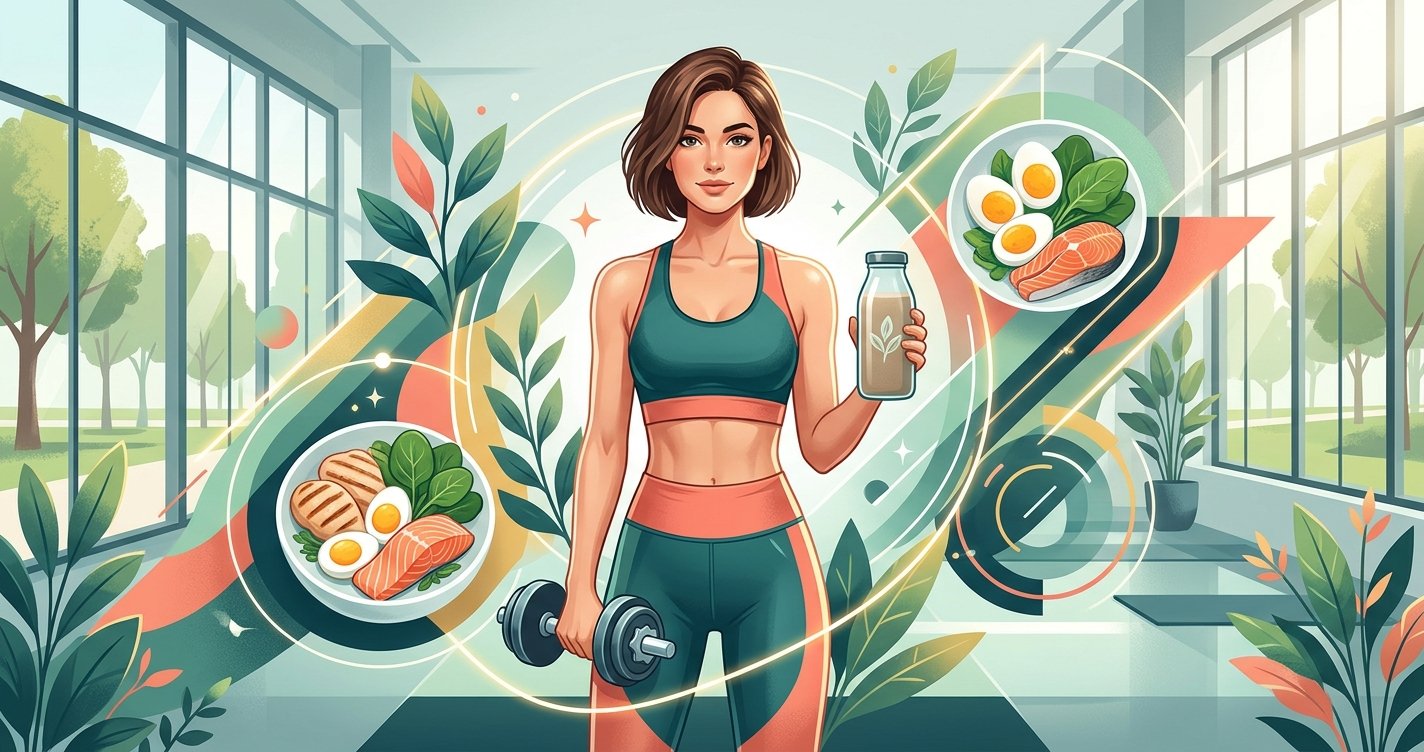
Beyond the Scale: Why Sustainable Fat Loss Needs More Than Just Calories
You’ve tried the crash diets, the endless cardio, and the restrictive eating plans. You might have seen some initial results, only to find yourself back where you started, or even feeling more frustrated than before. Sound familiar? You're not alone. The journey to fat loss is often framed as a simple equation of 'calories in vs. calories out.' While energy balance is undeniably foundational, focusing solely on it overlooks two incredibly powerful, often underestimated, allies in your quest for sustainable, healthy fat loss: adequate protein intake and consistent strength training.
This isn't about quick fixes or deprivation. It's about building a stronger, healthier, and more metabolically efficient body that naturally supports fat loss and keeps it off for good. Let's dive into how these two pillars can transform your approach to achieving the body you desire, not just for a season, but for life. this excellent wellness product
The Calorie Deficit: Still King, But Not Alone
Let's be clear: to lose fat, you must consume fewer calories than your body expends. This 'calorie deficit' forces your body to tap into its stored energy (fat) for fuel. Think of it as your budget: if you spend more than you earn, you go into debt. If you eat less than you burn, your body dips into its fat reserves. However, the *quality* of those calories and *how* you move your body profoundly impact the results of that deficit. A calorie deficit can lead to fat loss, but without the right strategies, it can also lead to muscle loss, a slower metabolism, and constant hunger. This is where protein and strength training step in to optimize the process.
Protein: Your Secret Weapon Against Hunger and Muscle Loss
Why Protein Matters for Fat Loss
Protein isn't just for bodybuilders; it's a macronutrient powerhouse vital for everyone, especially when aiming for fat loss. Here’s why:
- Satiety & Hunger Control: Protein is incredibly satiating. It helps you feel fuller for longer, reducing cravings and the likelihood of overeating. Imagine feeling satisfied after your meals instead of constantly searching for snacks – that's the power of protein!
- Higher Thermic Effect of Food (TEF): Your body uses energy to digest, absorb, and metabolize food. This is known as the Thermic Effect of Food (TEF). Protein has a significantly higher TEF than carbohydrates or fats, meaning you burn more calories simply by digesting it.
- Muscle Preservation: When you're in a calorie deficit, your body can break down muscle tissue for energy, not just fat. This is detrimental because muscle is metabolically active, burning more calories at rest than fat tissue. Adequate protein intake signals to your body to preserve precious muscle while you shed fat.
How Much Protein Do You Need?
While individual needs vary, a general guideline for fat loss is to aim for 1.6 to 2.2 grams of protein per kilogram of body weight (or roughly 0.7 to 1 gram per pound of body weight). For example, a 70kg (154lb) individual might aim for 112-154 grams of protein per day. Focus on lean sources like chicken breast, turkey, fish, lean beef, eggs, Greek yogurt, cottage cheese, lentils, beans, and protein powder supplements if needed.
Practical Tips for Boosting Protein Intake
- Prioritize Protein at Every Meal: Make sure your main protein source is the star of your plate.
- Start Your Day with Protein: Eggs, Greek yogurt, or a protein smoothie can set a satiating tone for your day.
- Smart Snacking: Opt for protein-rich snacks like a handful of almonds, a hard-boiled egg, or a small serving of cottage cheese.
- Lean Meats and Fish: Incorporate these into lunch and dinner.
- Plant-Based Power: Don't forget legumes, tofu, tempeh, and quinoa for plant-based protein.
Strength Training: Building a Fat-Burning Machine
Beyond Cardio: The Unique Benefits of Lifting Weights
For too long, cardio has been championed as the primary exercise for fat loss. While it has its place, strength training offers unique and superior benefits for body composition and metabolism:
- Muscle Preservation & Growth: As mentioned, muscle is your metabolic engine. Strength training builds and maintains muscle mass, which directly increases your Basal Metabolic Rate (BMR). This means you burn more calories even when you're resting – essentially turning your body into a more efficient fat-burning machine 24/7.
- EPOC (Excess Post-exercise Oxygen Consumption): Often called the 'afterburn effect,' EPOC refers to the increased rate of oxygen intake following strenuous activity. Strength training can significantly elevate EPOC, meaning your body continues to burn extra calories for hours after your workout as it recovers and repairs muscle tissue.
- Improved Body Composition: You might lose weight with diet and cardio alone, but strength training sculpts your body. It helps you achieve a leaner, firmer, and more toned physique by increasing muscle definition and reducing overall body fat percentage.
- Strength, Bone Density, and Confidence: Beyond aesthetics, strength training makes you physically stronger, improves bone density (crucial for long-term health), enhances functional fitness, and boosts self-confidence.
Getting Started with Strength Training
You don't need to be a seasoned lifter or join a fancy gym to start. Consistency is key:
- Frequency: Aim for 2-4 strength training sessions per week, allowing for rest days in between.
- Focus on Compound Movements: Exercises that work multiple muscle groups simultaneously (e.g., squats, deadlifts, push-ups, rows, overhead presses) are incredibly efficient and effective.
- Progressive Overload: To keep making progress, you need to gradually challenge your muscles. This could mean lifting heavier weights, doing more repetitions, increasing sets, or decreasing rest times.
- Form Over Weight: Always prioritize proper form to prevent injury and maximize muscle engagement. If you're unsure, consider hiring a certified trainer for a few sessions.
Common Myths Debunked
- “Women will get bulky”: This is a common misconception. Women typically lack the testosterone levels to build significant muscle bulk without extreme training and diet protocols. Instead, you'll likely achieve a lean, toned physique.
- “Only for bodybuilders”: Strength training benefits everyone, regardless of age or fitness goal. It's fundamental for health, longevity, and a functional body.
Synergy: How Protein and Strength Training Work Together
The real magic happens when you combine these two powerhouses. Think of it like this: strength training breaks down muscle fibers (a good thing!), signaling your body to rebuild them stronger. Protein provides the essential building blocks (amino acids) for this repair and growth process. Without adequate protein, your body struggles to recover and adapt to the training stimulus, limiting your progress.
This powerful synergy ensures that when you're in a calorie deficit, you're primarily losing fat, not valuable muscle. You’re not just shrinking; you’re transforming your body composition, boosting your metabolism, and creating a sustainable path to maintaining your results. This combination is far more effective than either strategy alone for long-term fat loss and improved body composition.
Beyond the Plate and the Weights: The Holistic Picture
While protein and strength training are game-changers, remember that sustainable fat loss is part of a larger wellness picture. Don't forget the importance of:
- Adequate Sleep: Poor sleep can disrupt hormones that regulate hunger and fat storage.
- Stress Management: Chronic stress elevates cortisol, which can hinder fat loss, particularly around the midsection.
- Hydration: Drinking enough water supports metabolism and can help with satiety.
- Consistency and Patience: Results take time. Embrace the journey and celebrate small victories.
Your Journey to Sustainable Fat Loss Starts Now
Stepping away from restrictive diets and embracing the strategic combination of increased protein intake and consistent strength training is a powerful shift. It's about nourishing your body, challenging it to become stronger, and building a foundation for lasting health and a body you feel confident and comfortable in. This isn't just about losing weight; it's about building a healthier, more resilient you. Start small, stay consistent, and watch as the dynamic duo of protein and strength training transforms your fat loss journey into a sustainable success story.