Are you tired of restrictive diets, endless calorie counting, and the frustration of yo-yo weight loss? If you're ready to ditch the quick fixes and embrace a path to sustainable fat loss that truly nourishes your body, you're in the right place. This isn't about deprivation; it's about empowerment through smart eating choices that support your goals long-term.
Many people believe that fat loss is simply about eating less and moving more. While a calorie deficit is indeed fundamental, the quality of those calories plays a far more significant role than you might imagine. Today, we're diving deep into two powerful pillars of sustainable fat loss: the incredible impact of protein and the undeniable benefits of whole, unprocessed foods. Get ready to transform your plate and your perspective! this excellent wellness product
Beyond the Calorie Count: Why What You Eat Matters More
Yes, to lose fat, you need to consume fewer calories than your body burns. This is the law of thermodynamics. However, focusing solely on the number on a food label can be misleading. 200 calories from a handful of almonds will impact your body and satiety differently than 200 calories from a sugary soda or a highly processed snack.
The concept of 'nutrient density' is key here. Nutrient-dense foods pack a lot of vitamins, minerals, fiber, and other beneficial compounds into fewer calories. They keep you feeling fuller, provide essential nutrients for your body's functions, and support a healthy metabolism. On the other hand, 'empty calories' from ultra-processed foods offer little nutritional value, often leave you hungry sooner, and can even trigger cravings, making sustainable fat loss an uphill battle.
The Powerhouse Macronutrient: How Protein Fuels Fat Loss
If there's one macronutrient to prioritize for fat loss, it's protein. Its unique properties make it an invaluable ally in your journey.
Satiety Superstar: Feeling Fuller, Longer
One of protein's most celebrated benefits is its remarkable ability to promote satiety. When you eat protein, it triggers the release of gut hormones like PYY and GLP-1, which signal to your brain that you're full. This significantly reduces hunger and cravings, helping you naturally eat less throughout the day without feeling deprived. Imagine not constantly battling the urge to snack between meals – that's the protein advantage!
Thermic Effect of Food (TEF): Burn More Calories Digesting
Did you know your body expends energy just to digest, absorb, and metabolize the food you eat? This is known as the Thermic Effect of Food (TEF). Protein has the highest TEF among all macronutrients. Approximately 20-30% of the calories you consume from protein are burned off during its digestion, compared to 5-10% for carbohydrates and 0-3% for fats. While not a huge number on its own, this consistent boost to your daily calorie expenditure adds up over time, giving you a metabolic edge.
Muscle Preservation: Protecting Your Metabolism
When you're in a calorie deficit, your body can sometimes break down muscle tissue for energy, not just fat. This is detrimental because muscle is metabolically active – it burns more calories at rest than fat does. A higher muscle mass means a higher resting metabolism. Adequate protein intake is crucial for preserving lean muscle mass during fat loss, ensuring that your metabolism stays robust and you lose primarily fat, not valuable muscle.
Practical Protein Pointers:
- Aim for Enough: A good target for fat loss is typically 0.7 to 1 gram of protein per pound of your ideal body weight (or 1.6 to 2.2 grams per kilogram).
- Diverse Sources: Include lean meats (chicken, turkey, lean beef), fish (salmon, tuna, cod), eggs, dairy (Greek yogurt, cottage cheese), legumes (lentils, beans), tofu, tempeh, and protein powder supplements if needed.
- Distribute It: Try to include a source of protein at every main meal and snack to maximize satiety and muscle protein synthesis throughout the day.
The Whole Food Advantage: Fiber, Micronutrients, and Sustainable Habits
Beyond protein, the foundation of a sustainable fat loss plate is built upon whole, unprocessed foods. These are foods that are as close to their natural state as possible.
Fiber-Rich Foods: Your Secret Weapon Against Hunger
Whole foods, especially fruits, vegetables, and whole grains, are packed with fiber. Fiber is an incredible tool for fat loss because it adds bulk to your meals without adding many calories. It slows down digestion, helping you feel full for longer and stabilizing blood sugar levels, which can prevent energy crashes and subsequent cravings. Furthermore, fiber is vital for gut health, supporting a healthy microbiome that has been linked to better weight management.
Micronutrients: Fueling Your Body's Engine
Vitamins, minerals, and antioxidants found abundantly in whole foods are the unsung heroes of your metabolism. They act as cofactors in countless biochemical reactions that convert food into energy, build and repair tissues, and support overall health. Deficiencies in key micronutrients can hinder your body's ability to effectively burn fat and can even lead to fatigue and reduced exercise performance. By focusing on whole foods, you ensure your body gets the essential fuel it needs to operate optimally.
Ditching the Ultra-Processed: Why Simplicity Wins
Ultra-processed foods (think packaged snacks, sugary drinks, fast food) are typically low in protein and fiber, high in added sugars, unhealthy fats, and artificial ingredients. They are designed to be hyper-palatable, often leading to overconsumption without providing real satiety or nutritional value. By choosing whole foods, you naturally reduce your intake of these detrimental items, making it easier to maintain a calorie deficit and improve your overall health.
Crafting Your Sustainable Fat Loss Plate: A Practical Guide
So, how do you put this all together on your plate? It's simpler than you might think!
The Plate Method: A Visual Guide
A great visual approach is to imagine dividing your plate:
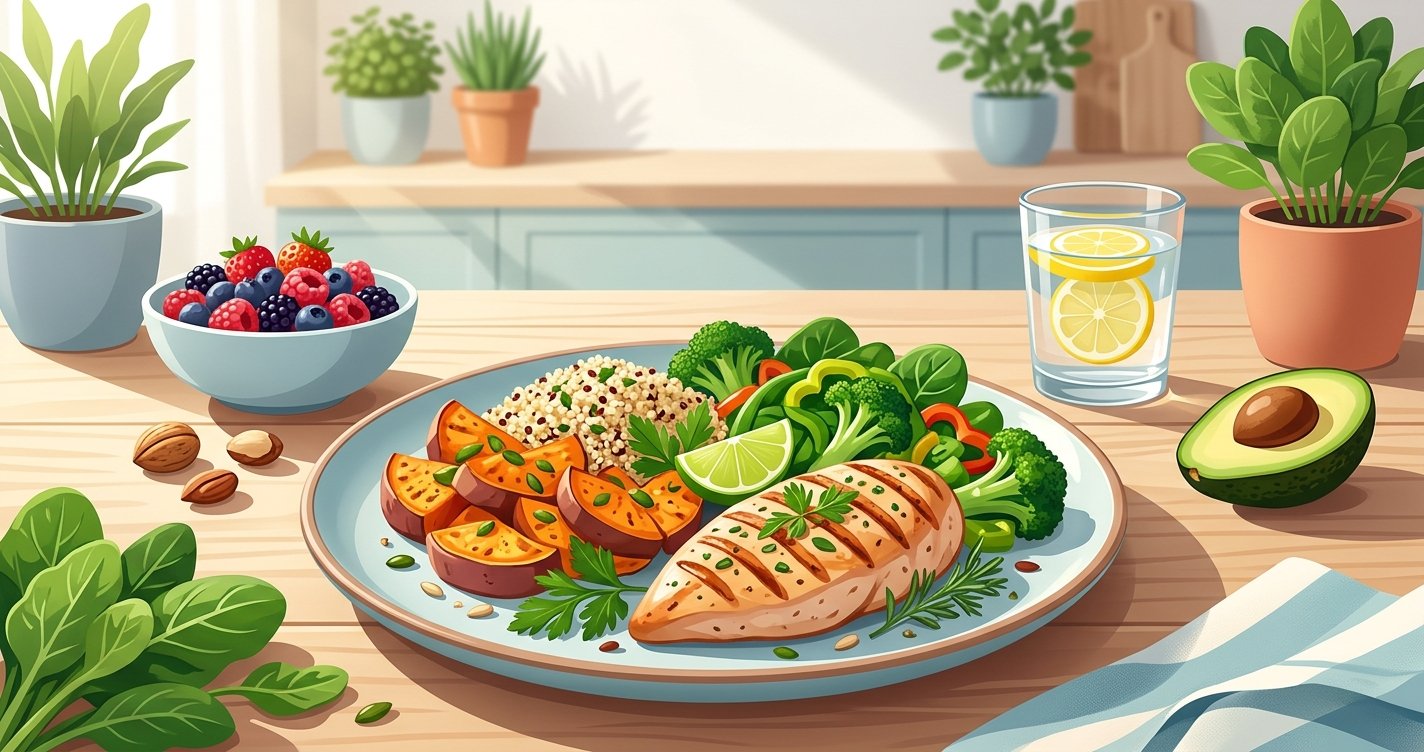
- Half your plate: Non-starchy vegetables (leafy greens, broccoli, bell peppers, carrots, cauliflower, etc.). These are high in fiber and micronutrients, low in calories.
- A quarter of your plate: Lean protein (chicken breast, fish, tofu, lentils, eggs). This ensures satiety and muscle preservation.
- The remaining quarter: Complex carbohydrates (quinoa, brown rice, sweet potato, whole-grain bread) or healthy fats (avocado, nuts, seeds, olive oil). Choose based on your energy needs and meal composition.
Meal Timing & Snacking: Listen to Your Body
While some people thrive on three large meals, others prefer smaller, more frequent meals. The key is to listen to your body's hunger and fullness cues. If you need a snack, opt for something that combines protein and fiber, like Greek yogurt with berries, an apple with a handful of almonds, or veggie sticks with hummus. This keeps you satisfied and prevents mindless munching.
Hydration is Key: Don't Forget Water!
Often overlooked, adequate water intake is crucial. Sometimes, thirst can be mistaken for hunger. Drinking plenty of water helps with satiety, supports metabolic processes, and aids in nutrient transport. Aim for at least 8 glasses a day, and even more if you're active.
Beyond the Plate: Mindset and Consistency
Remember, sustainable fat loss is a journey, not a sprint. There will be good days and challenging days. The goal isn't perfection, but consistency over time. Embrace these principles as a lifestyle change, not a temporary diet.
- Patience is a Virtue: Real, lasting change takes time. Be patient with yourself and celebrate small victories.
- Listen to Your Body: Pay attention to how different foods make you feel. Adjust your choices based on your energy levels, satiety, and digestion.
- Self-Compassion: Don't beat yourself up over occasional slips. Learn from them and get back on track with your next meal.
Your Path to a Healthier, Happier You
By making protein and whole foods the cornerstone of your diet, you're not just aiming for fat loss; you're investing in your overall health, energy, and well-being. You'll feel more satisfied, have more sustained energy, and build a healthier relationship with food. It’s about nourishing your body, not just restricting it. Empower yourself with these evidence-based strategies, and watch as your sustainable fat loss journey unfolds into a healthier, happier you!