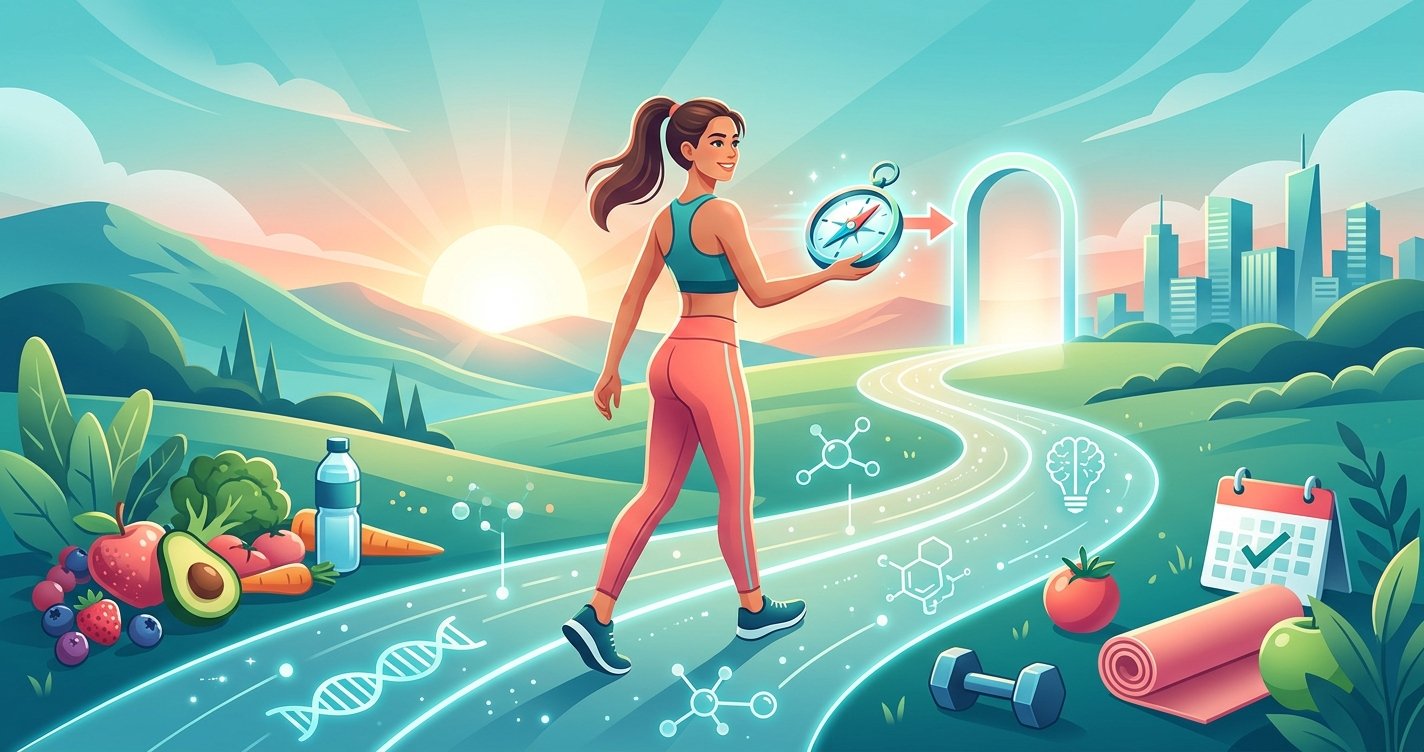
Tired of the Yo-Yo? Discover Sustainable Fat Loss Strategies
Have you ever embarked on a fat loss journey with immense enthusiasm, only to find yourself back where you started (or even further behind) a few months later? You're not alone. The world is flooded with quick fixes, fad diets, and extreme workout plans promising rapid results. While these might deliver initial drops on the scale, they rarely equip you with the tools for long-term success. True, lasting fat loss isn't about deprivation; it's about building sustainable habits that nourish your body, boost your metabolism, and fit seamlessly into your life.
This guide will cut through the noise, offering you an evidence-based, friendly, and encouraging roadmap to achieving and maintaining your fat loss goals. We’ll explore the key pillars of sustainable fat loss, moving beyond the temporary fixes to embrace a lifestyle that promotes health, vitality, and a body you feel confident and strong in. this excellent wellness product
The Foundation: A Smart Calorie Deficit (No Starvation Required!)
Let's get straight to the science: to lose fat, you must consume fewer calories than your body burns. This is known as a calorie deficit, and it's the non-negotiable principle behind all fat loss. However, 'smart' is the operative word here. Extreme calorie restriction often leads to muscle loss, metabolic slowdown, nutrient deficiencies, and an unsustainable cycle of hunger and cravings.
How to create a smart, sustainable deficit:
- Estimate Your Needs: Use an online TDEE (Total Daily Energy Expenditure) calculator as a starting point.
- Aim for a Modest Deficit: A reduction of 300-500 calories per day is generally effective and manageable for most people. This typically results in 0.5-1 pound of fat loss per week, which is a healthy and sustainable rate.
- Focus on Whole Foods: Prioritize nutrient-dense, unprocessed foods like lean proteins, vegetables, fruits, and whole grains. These provide essential nutrients and fiber, promoting satiety without excess calories.
- Mindful Eating: Pay attention to your hunger and fullness cues. Eat slowly, savor your food, and avoid distractions.
- Be Patient: Fat loss is not linear. There will be fluctuations, but consistency over time is what truly matters.
Remember, this isn't about starving yourself; it's about making conscious, healthier choices that contribute to a slight energy deficit over time.
Power Up with Protein: Your Satiety & Muscle Ally
If there's one macronutrient to prioritize for fat loss, it's protein. It's a game-changer, and here's why:
Why Protein is a Game-Changer for Fat Loss:
- Enhanced Satiety: Protein is incredibly filling. Including adequate protein in each meal helps you feel fuller for longer, reducing the likelihood of overeating and snacking on less nutritious options.
- Muscle Preservation: When you're in a calorie deficit, your body can sometimes break down muscle tissue for energy. A high protein intake helps to signal your body to preserve precious muscle mass, ensuring that the weight you lose is primarily fat.
- Higher Thermic Effect of Food (TEF): Protein requires more energy for your body to digest, absorb, and metabolize compared to carbohydrates or fats. This means you burn more calories just by eating protein!
- Supports Metabolism: Muscle tissue is metabolically active. By preserving and even building muscle with adequate protein and strength training, you naturally boost your resting metabolic rate, meaning you burn more calories even at rest.
Aim for roughly 1.6-2.2 grams of protein per kilogram of body weight daily, spread across your meals. Excellent sources include lean meats, poultry, fish, eggs, Greek yogurt, cottage cheese, legumes, tofu, and protein powder.
Lift Your Way to Leanness: The Power of Strength Training
Forget the myth that endless cardio is the only way to lose fat. While cardiovascular exercise has its benefits, strength training is paramount for sustainable fat loss and body recomposition.
How Strength Training Transforms Your Body:
- Builds Muscle, Boosts Metabolism: Muscle tissue is more metabolically active than fat tissue. The more muscle you have, the more calories your body burns at rest. Strength training helps you build and maintain this valuable muscle mass, turning your body into a more efficient fat-burning machine 24/7.
- Shapes Your Physique: Beyond the scale, strength training dramatically improves your body composition. You might weigh the same, but look significantly leaner, firmer, and more toned due to reduced fat and increased muscle.
- Improves Insulin Sensitivity: Regular strength training can enhance your body's ability to use insulin effectively, helping to regulate blood sugar levels and potentially reduce fat storage.
- Increases EPOC (Excess Post-exercise Oxygen Consumption): After an intense strength training session, your body continues to burn extra calories as it recovers and repairs muscle tissue. This 'afterburn' effect can last for hours.
Aim for 2-4 strength training sessions per week, focusing on compound movements (squats, deadlifts, presses, rows) that work multiple muscle groups simultaneously. Don't be afraid to lift challenging weights – that's where the magic happens!
The Unsung Heroes: Sleep, Stress, and Hydration
Often overlooked, these three pillars are absolutely critical for effective and sustainable fat loss. Neglecting them can sabotage even the most perfectly planned diet and exercise routine.
Sleep: The Metabolic Regulator
Chronic sleep deprivation messes with your hormones. It increases ghrelin (the hunger hormone) and decreases leptin (the satiety hormone), leading to increased appetite and cravings for high-calorie foods. It also elevates cortisol and impairs insulin sensitivity, making fat loss significantly harder, especially around the midsection. Aim for 7-9 hours of quality sleep per night.
Stress: The Silent Saboteur
Chronic stress triggers the release of cortisol, a hormone that, in excess, can promote fat storage, particularly visceral fat (belly fat). It also increases cravings for comfort foods and can make it harder to stick to healthy habits. Incorporate stress-management techniques like meditation, deep breathing, yoga, spending time in nature, or engaging in hobbies you enjoy.
Hydration: Simple Yet Powerful
Water is essential for every bodily function, including metabolism. Staying well-hydrated can help you feel fuller, reduce cravings (sometimes thirst is mistaken for hunger), and ensure your body operates optimally. Aim to drink plenty of water throughout the day, especially before meals.
Cultivating a Mindset for Lasting Change
Sustainable fat loss isn't just a physical journey; it's deeply psychological. Your mindset plays a monumental role in your success.
Patience and Consistency are Key:
Fat loss is a marathon, not a sprint. Rapid weight loss is often unsustainable and can lead to rebound weight gain. Embrace the process, celebrate small victories, and understand that progress isn't always linear. Consistency in your habits, even when results are slow, is far more powerful than sporadic perfection.
Focus on Habits, Not Just Outcomes:
Shift your focus from solely the number on the scale to the healthy habits you're building. Are you consistently hitting your protein goals? Getting your strength workouts in? Prioritizing sleep? These are the indicators of true, lasting change.
Self-Compassion and Flexibility:
No one is perfect. There will be days when you overeat, miss a workout, or feel discouraged. Instead of falling into an all-or-nothing trap, practice self-compassion. Acknowledge the slip, learn from it, and get back on track with your next meal or next opportunity. Flexibility allows you to navigate social events and life's curveballs without derailing your entire journey.
Practical Strategies for Integrating Sustainable Habits
Knowledge is power, but application is transformation. Here are some actionable tips to integrate these principles into your daily life:
- Meal Planning & Prep: Dedicate time each week to plan your meals and snacks. Prepare some components in advance (e.g., cook a batch of chicken, chop vegetables) to make healthy eating easier during busy weekdays.
- Smart Snacking: Keep healthy, protein-rich snacks on hand (Greek yogurt, hard-boiled eggs, nuts, fruit with nut butter) to prevent extreme hunger and poor choices.
- Find Enjoyable Movement: While strength training is crucial, also find other forms of physical activity you genuinely enjoy. Walks, hiking, dancing, cycling – anything that gets you moving and makes you feel good.
- Track Progress Beyond the Scale: Take body measurements, progress photos, and note strength gains in the gym. These non-scale victories often provide more motivation and a more accurate picture of your body's transformation.
- Seek Support: Share your goals with a supportive friend or family member, join a community, or consider working with a coach. Accountability and encouragement can make a huge difference.
Your Journey to Lasting Fat Loss Starts Now
Sustainable fat loss is not about chasing fleeting trends or punishing yourself; it's about nurturing your body with smart nutrition, empowering it with strength, and respecting its needs for rest and recovery. It’s a holistic approach that builds a foundation for long-term health and well-being, transforming not just your body, but your entire relationship with food and fitness.
Embrace the process, be patient with yourself, and celebrate every step forward. You have the power to create lasting change and unlock a healthier, stronger, and more vibrant you. Start today, one sustainable habit at a time, and watch your life transform.