Tired of the Yo-Yo? Unlock Sustainable Fat Loss for Life!
We’ve all been there: the allure of the "lose 10 pounds in 7 days" headlines, the extreme diets promising a rapid transformation. While these quick fixes might deliver initial results, they often come with a hefty price tag – rebound weight gain, frustration, and a damaged relationship with food and your body. The truth is, lasting fat loss isn't about deprivation; it's about building sustainable habits that nourish your body and mind. This isn't just about fitting into an old pair of jeans; it's about long-term health, energy, and confidence.
In this guide, we'll ditch the fads and dive into evidence-based strategies for achieving fat loss that actually lasts. We'll explore how to work with your body, not against it, focusing on practical steps you can integrate into your everyday life. Let's build a healthier, happier you, one sustainable step at a time! this excellent wellness product
The Cornerstone: A Smart Calorie Deficit (Not Starvation!)
At its core, fat loss boils down to one fundamental principle: consuming fewer calories than your body expends. This is known as creating a calorie deficit. However, the key word here is "smart." Extreme calorie restriction is counterproductive, leading to muscle loss, metabolic slowdown, and intense cravings that inevitably lead to giving up.
Understanding Energy Balance: Calories In vs. Calories Out
- Calories In: The energy you get from the food and drinks you consume.
- Calories Out: The energy your body uses for basic functions (breathing, circulation – your Basal Metabolic Rate or BMR), digestion (Thermic Effect of Food or TEF), and physical activity (exercise and Non-Exercise Activity Thermogenesis or NEAT).
To lose fat, you need to consistently create a deficit, typically around 300-500 calories per day below your maintenance level. This moderate approach allows for steady fat loss (about 1-2 pounds per week) while preserving muscle mass and keeping your energy levels stable. You can use online calculators as a starting point, but listening to your body and tracking your intake for a week or two can provide more personalized insights.
The Power of Whole, Nutrient-Dense Foods
While a calorie is technically a calorie, the source matters immensely for satiety, nutrition, and overall health. Prioritizing whole, unprocessed foods is crucial:
- Lean Proteins: Chicken, fish, lean beef, eggs, tofu, legumes. (More on this next!)
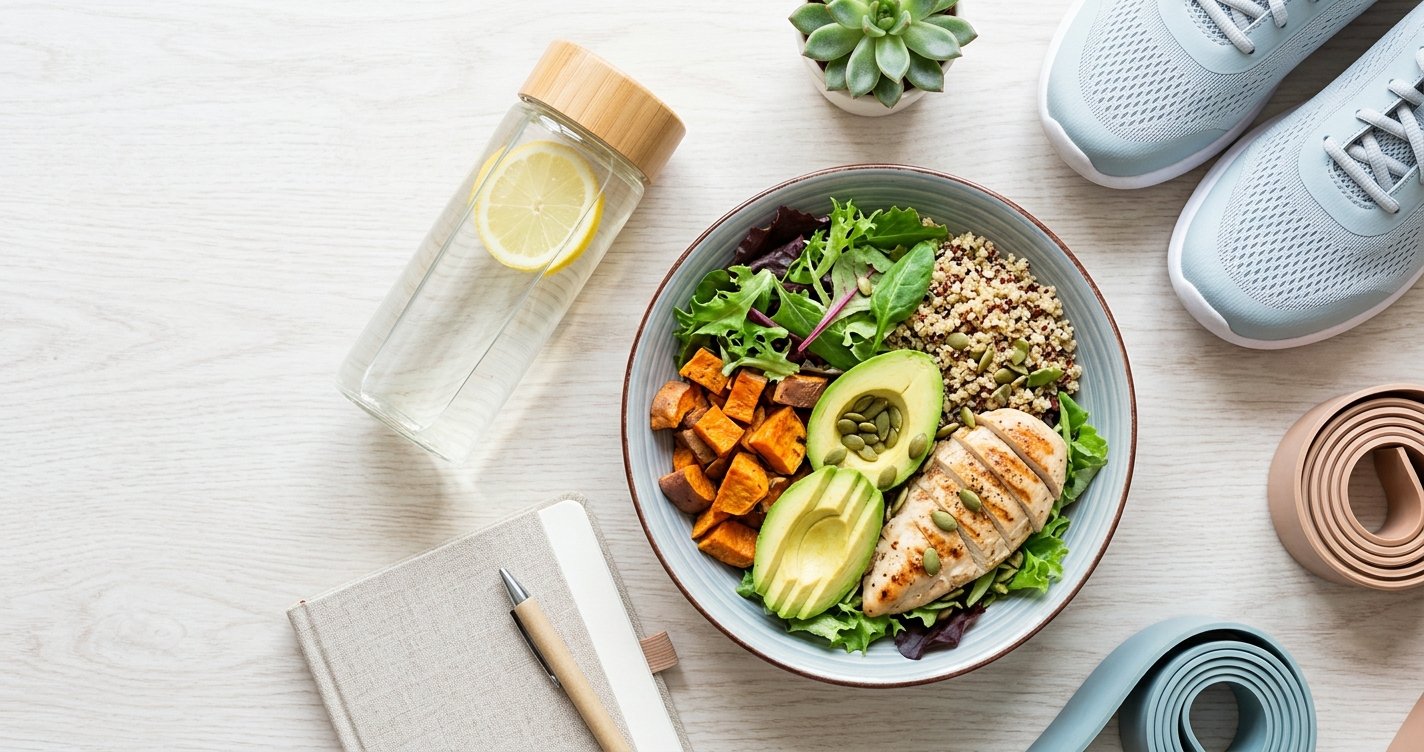
- Complex Carbohydrates: Whole grains (oats, brown rice, quinoa), sweet potatoes, fruits, vegetables. These provide sustained energy and fiber.
- Healthy Fats: Avocados, nuts, seeds, olive oil. Essential for hormone production and satiety, but remember they are calorie-dense, so portion control is important.
These foods keep you feeling fuller for longer, provide essential vitamins and minerals, and support your body's functions far better than highly processed alternatives.
Protein: Your Undeniable Ally in Fat Loss
If there's one macronutrient to prioritize during a fat loss phase, it's protein. Its benefits are numerous and scientifically well-supported, making it an indispensable tool for achieving your goals.
Why Protein is a Game-Changer for Fat Loss
- Superior Satiety: Protein is the most filling macronutrient. Including adequate protein in your meals helps reduce hunger and cravings, making it easier to stick to your calorie deficit.
- Higher Thermic Effect of Food (TEF): Your body uses more energy to digest and metabolize protein compared to carbohydrates or fats. This means you burn a few extra calories just by eating protein.
- Muscle Preservation: When you're in a calorie deficit, your body can sometimes break down muscle tissue for energy. A high protein intake, combined with strength training, helps signal your body to retain precious muscle mass, ensuring that the weight you lose is primarily fat.
How Much Protein Do You Need?
For fat loss, general recommendations suggest aiming for 1.6 to 2.2 grams of protein per kilogram of body weight (or 0.7 to 1 gram per pound of body weight). Distribute your protein intake across your meals throughout the day to maximize its benefits.
Excellent Protein Sources:
- Chicken breast, turkey, lean beef
- Fish (salmon, tuna, cod)
- Eggs
- Greek yogurt, cottage cheese
- Lentils, beans, chickpeas
- Tofu, tempeh, edamame
- Protein powder (whey, casein, plant-based)
Strength Training: Build a Fat-Burning Engine
Many people associate fat loss solely with endless cardio sessions. While cardio has its place, strength training is arguably more critical for sustainable fat loss and improving body composition.
Beyond Cardio: Why Lift Weights?
- Boosts Metabolism: Muscle tissue is metabolically active, meaning it burns more calories at rest than fat tissue. By building more muscle, you increase your Resting Metabolic Rate (RMR), turning your body into a more efficient fat-burning machine 24/7.
- Improves Body Composition: Even if the number on the scale doesn't drastically change, replacing fat with muscle will make you look leaner, firmer, and more toned. This is why focusing on how your clothes fit and how you feel is often more important than just the scale.
- Enhances Overall Health: Strength training improves bone density, reduces the risk of injury, boosts confidence, and can significantly improve functional strength for daily activities.
Getting Started with Strength Training
You don't need to be a bodybuilder to reap the benefits. Aim for 2-4 full-body strength training sessions per week. Focus on compound movements that work multiple muscle groups simultaneously, such as:
- Squats
- Deadlifts (or RDLs)
- Push-ups (or bench press)
- Rows
- Overhead press
If you're new to lifting, consider hiring a certified personal trainer for a few sessions to learn proper form and establish a safe, effective routine.
The Unsung Heroes: Sleep, Stress, and Hydration
Often overlooked, these lifestyle factors play a monumental role in your body's ability to lose fat and maintain overall health. Neglecting them can sabotage even the most perfectly planned diet and exercise regimen.
Sleep for Success
Getting adequate, quality sleep (7-9 hours for most adults) is non-negotiable for fat loss. Lack of sleep:
- Disrupts Hunger Hormones: It increases ghrelin (the hunger hormone) and decreases leptin (the satiety hormone), leading to increased appetite and cravings for unhealthy foods.
- Elevates Cortisol: Sleep deprivation raises cortisol, the stress hormone, which can promote fat storage, particularly around the midsection.
- Reduces Energy for Workouts: You're less likely to have productive workouts or make healthy food choices when you're tired.
Managing Stress for a Leaner You
Chronic stress, like lack of sleep, keeps cortisol levels elevated. This can lead to:
- Increased Appetite: Especially for sugary, fatty comfort foods.
- Abdominal Fat Storage: Cortisol specifically promotes visceral fat accumulation.
- Emotional Eating: Many people turn to food as a coping mechanism for stress.
Find healthy ways to manage stress: mindfulness, meditation, yoga, spending time in nature, hobbies, or talking to a friend or therapist. Prioritizing mental well-being is a powerful fat-loss strategy.
Hydration is Key
Drinking enough water is simple, yet incredibly effective:
- Boosts Metabolism: Water is essential for various metabolic processes.
- Aids Satiety: Sometimes, thirst is mistaken for hunger. Drinking water before meals can help you eat less.
- Supports Performance: Proper hydration improves energy levels and exercise performance.
- Detoxification: Helps your body flush out waste products.
Aim for at least 8 glasses (around 2 liters) of water daily, and more if you're exercising or in a hot climate.
Mindset and Consistency: The Long Game
Sustainable fat loss isn't a race; it's a marathon. Your mindset and consistency are perhaps the most powerful tools in your arsenal.
Ditch Perfectionism, Embrace Progress
The biggest trap people fall into is striving for perfection. One "bad" meal or missed workout is not a failure; it's a blip. The key is to get back on track with the next meal or workout. Focus on making small, consistent improvements over time. Celebrate non-scale victories like increased energy, stronger lifts, better sleep, or clothes fitting differently.
Build Sustainable Habits, Not Temporary Diets
True, lasting fat loss comes from lifestyle changes you can maintain indefinitely. This means finding enjoyable ways to eat healthily and stay active. Experiment with different foods, recipes, and forms of exercise until you discover what truly works for you and brings you joy. Seek support from friends, family, or a coach. Accountability can be a powerful motivator.
Your Journey to Lasting Fat Loss Starts Today!
Sustainable fat loss is a journey, not a destination. It requires patience, consistency, and a commitment to nurturing your body with evidence-based strategies. By focusing on a smart calorie deficit, prioritizing protein, embracing strength training, optimizing sleep and stress, and cultivating a resilient mindset, you're not just losing weight – you're building a healthier, stronger, and more vibrant you for the long haul.
Remember, every small, consistent choice adds up. Be kind to yourself, celebrate your progress, and trust the process. You have the power to create lasting change!