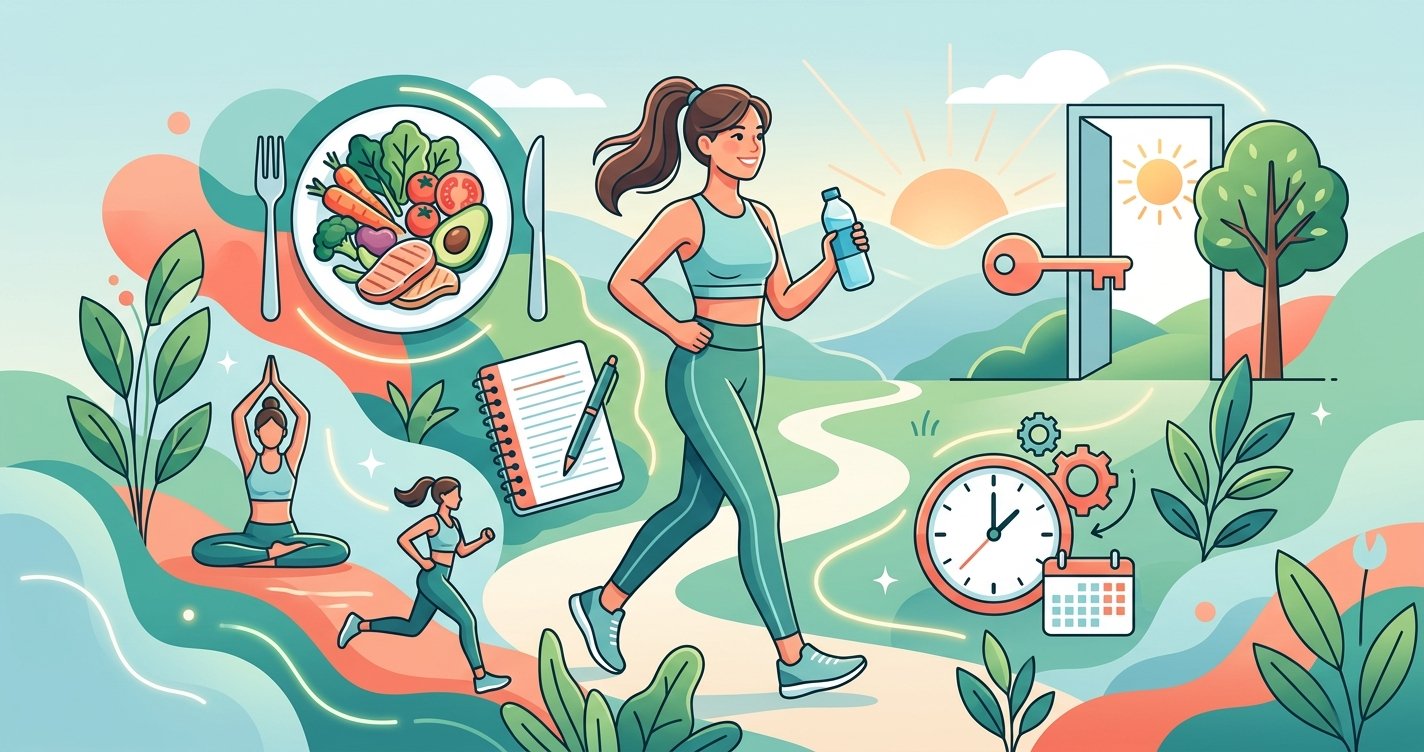
Sustainable Fat Loss: Unlock Lasting Results with Science-Backed Habits
The journey to fat loss often feels like a rollercoaster — full of exciting highs, frustrating lows, and quick turns that leave you feeling dizzy. Many of us chase rapid results, only to find ourselves back where we started, or even further behind. But what if there’s a better way? A path to sustainable fat loss that builds lasting habits, respects your body, and delivers results that stick?
Forget the crash diets, the extreme workouts, and the endless deprivation. This isn’t about quick fixes; it’s about understanding the science behind how your body sheds fat and, more importantly, how to create a lifestyle that supports your goals long-term. Let’s dive into an evidence-based, encouraging approach to achieving the healthy, vibrant body you deserve. this excellent wellness product
Why Quick Fixes Fail: The Cycle of Crash Diets
We’ve all seen them: the “lose 10 pounds in 7 days” headlines. While these promises might offer tempting initial results, they rarely lead to sustainable change. Why? Because they often involve drastic calorie restriction, elimination of entire food groups, or unsustainable exercise regimens. Your body, being incredibly adaptable, will initially respond by shedding weight — often a mix of water, muscle, and some fat.
However, extreme approaches can trigger survival mechanisms: your metabolism slows down, hunger hormones spike, and your body becomes more efficient at storing fat when food becomes available again. This often leads to the dreaded “yo-yo effect,” where lost weight is regained, sometimes with extra pounds. True sustainable fat loss requires a gentler, more consistent approach that your body can adapt to without feeling under siege.
The Foundation: Understanding Energy Balance (Calories In, Calories Out)
At its core, fat loss boils down to a fundamental scientific principle: energy balance. To lose fat, you must consistently consume fewer calories than your body expends. This is known as a “calorie deficit.” It’s not about starving yourself; it’s about smart choices that create a moderate, manageable deficit over time.
The Importance of a Moderate Calorie Deficit
A moderate deficit (typically 300-500 calories below your maintenance level) is key for sustainable fat loss. It’s enough to signal your body to use stored fat for energy without triggering extreme metabolic slowdown or excessive muscle loss. This approach allows for steady progress, typically 1-2 pounds of fat loss per week, which is considered healthy and sustainable.
Tracking Your Intake: Tools and Tips
While not a lifelong necessity, tracking your food intake for a period can be incredibly enlightening. It helps you understand portion sizes, calorie density, and where your calories are truly coming from. Apps like MyFitnessPal or Lose It! can simplify this process. Focus on accuracy initially, then use that knowledge to make intuitive, informed choices.
Fueling Your Body Right: Nutrition Strategies for Lasting Results
Nutrition is the cornerstone of sustainable fat loss. It’s not just about calories; it’s about the quality of those calories and how they impact your satiety, energy levels, and overall health.
The Power of Protein: Satiety and Muscle Preservation
Protein is your best friend on a fat loss journey. It’s the most satiating macronutrient, meaning it keeps you feeling fuller for longer, reducing the urge to snack. Crucially, protein is essential for preserving muscle mass during a calorie deficit. More muscle means a higher resting metabolism, making fat loss easier in the long run. Aim for 0.7-1 gram of protein per pound of body weight daily, distributed across your meals.
Smart Carb Choices and Healthy Fats
Don't fear carbohydrates or fats! They are vital for energy, hormone production, and nutrient absorption. Focus on complex carbohydrates like whole grains, fruits, and vegetables, which provide fiber and sustained energy. Incorporate healthy fats from sources like avocados, nuts, seeds, and olive oil — they are essential for satiety and overall health, but remember they are calorie-dense, so portion control is key.
Hydration and Fiber: Unsung Heroes
Often overlooked, adequate water intake is critical. It aids metabolism, helps with satiety, and supports overall bodily functions. Aim for at least 8 glasses a day. Fiber, found in fruits, vegetables, and whole grains, also plays a huge role in satiety, digestive health, and can help regulate blood sugar levels, all contributing to effective sustainable fat loss.
Moving Your Body Smart: Exercise for Fat Loss and Beyond
While nutrition creates the deficit, exercise amplifies fat loss, builds a strong body, and improves overall health and well-being. It’s not just about burning calories; it’s about building a more efficient, resilient you.
The Non-Negotiable Role of Strength Training
If you’re serious about sustainable fat loss, strength training is non-negotiable. Building muscle increases your resting metabolic rate, meaning you burn more calories even at rest. It also sculpts your body, improves bone density, and boosts confidence. Aim for 2-4 sessions per week, focusing on compound movements like squats, deadlifts, presses, and rows.
Cardio for Heart Health and Calorie Burn
Cardiovascular exercise is excellent for heart health, endurance, and burning additional calories. Incorporate a mix of steady-state cardio (like jogging or cycling) and high-intensity interval training (HIIT) for varied benefits. Find activities you enjoy — walking, dancing, swimming — to make it sustainable.
NEAT: The Unseen Calorie Burner
Don’t underestimate Non-Exercise Activity Thermogenesis (NEAT). This includes all the calories you burn outside of structured exercise: walking to work, taking the stairs, fidgeting, doing housework. Increasing your daily NEAT — by aiming for more steps, standing instead of sitting — can significantly contribute to your overall calorie expenditure and make a big difference for sustainable fat loss.
Beyond Diet and Exercise: Lifestyle Factors That Matter
Fat loss isn’t just about what you eat and how you move; it’s deeply intertwined with your overall lifestyle. Neglecting these factors can sabotage even the most diligent efforts.
The Crucial Role of Sleep
Lack of sleep can wreak havoc on your hormones, increasing ghrelin (the hunger hormone) and decreasing leptin (the satiety hormone). This makes you hungrier, more prone to cravings, and less likely to make healthy food choices. Aim for 7-9 hours of quality sleep per night to support your body’s natural fat-burning processes.
Managing Stress for Hormonal Balance
Chronic stress elevates cortisol levels, a hormone linked to increased appetite, fat storage (especially around the abdomen), and difficulty losing weight. Find healthy ways to manage stress: meditation, yoga, spending time in nature, or engaging in hobbies you love. Prioritizing mental well-being is a powerful tool for sustainable fat loss.
Mindset and Consistency: The Mental Game
Fat loss is as much a mental game as it is a physical one. Cultivate a positive, patient mindset. Understand that progress isn’t linear, and setbacks are normal. Focus on consistency over perfection. Celebrate small victories and learn from challenges. Building self-compassion and resilience will be your greatest assets.
Building Sustainable Habits: Your Blueprint for Success
The key to sustainable fat loss lies in integrating small, manageable changes into your daily routine that you can stick with for life. Here’s how to approach it:
- Start Small: Don’t overhaul everything at once. Pick one or two habits to focus on (e.g., adding protein to every meal, walking 30 minutes daily) and master them before adding more.
- Be Patient: This is a marathon, not a sprint. Real, lasting change takes time. Trust the process and celebrate consistent effort.
- Listen to Your Body: Pay attention to hunger cues, energy levels, and how different foods make you feel. This builds intuition and helps you make informed choices.
- Seek Support: Whether it’s a friend, family member, coach, or online community, having support can make a huge difference in motivation and accountability.
- Educate Yourself: Continuously learn about nutrition, exercise, and how your body works. Knowledge is empowering.
Your Journey to a Healthier, Happier You
Achieving sustainable fat loss isn’t about deprivation; it’s about empowerment. It’s about making informed choices that nourish your body, strengthen your mind, and build a foundation for lifelong health. By embracing evidence-based strategies, prioritizing consistency, and cultivating a positive mindset, you can move beyond the cycle of quick fixes and unlock lasting results. Your journey to a healthier, happier you starts with these sustainable habits — one positive choice at a time.