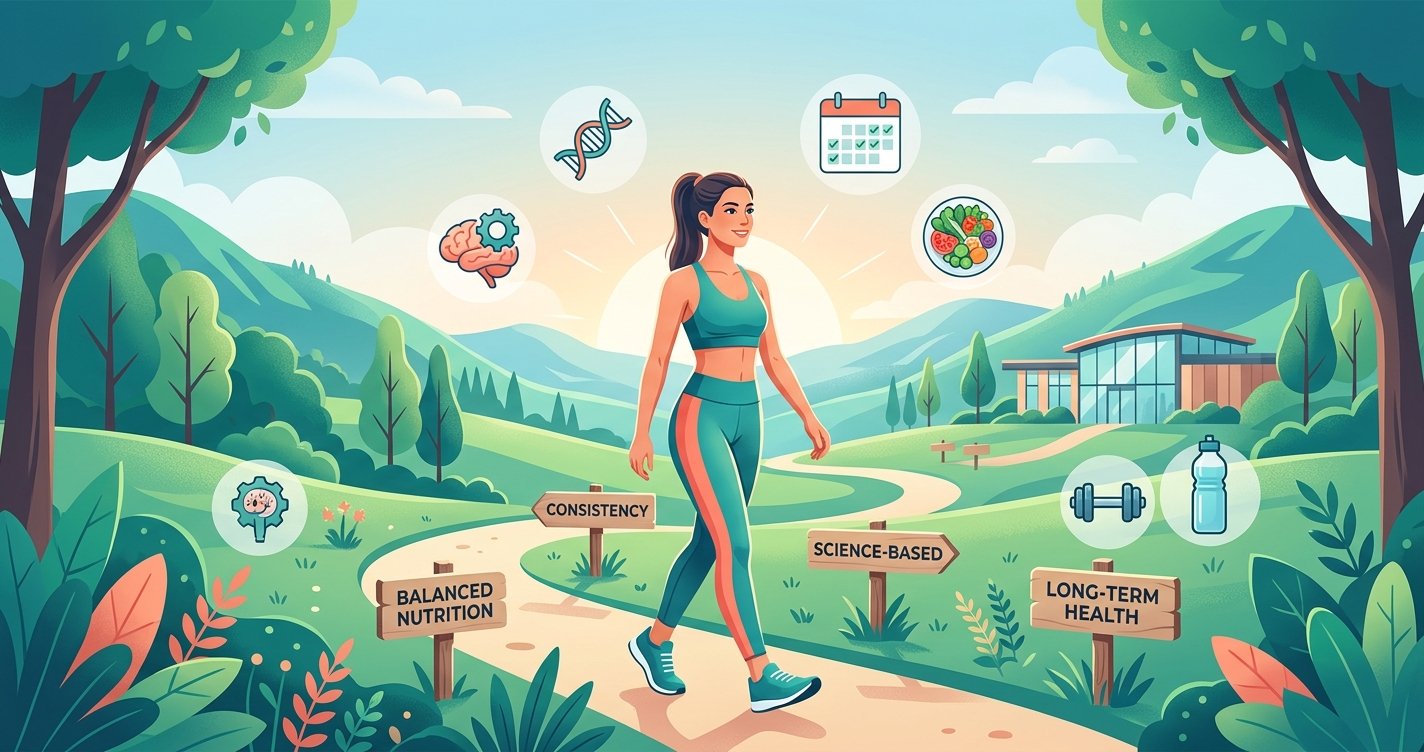
Feeling stuck in a cycle of restrictive diets, quick fixes, and frustrating rebound weight gain? You’re not alone. The world of fat loss can often feel overwhelming, filled with conflicting advice and promises of rapid results that rarely last. But what if there was a simpler, more effective way – one that prioritizes your health, energy, and long-term success over fleeting numbers on a scale? There is, and it all boils down to understanding and implementing a sustainable calorie deficit.
Forget the crash diets and detox teas. The true secret to lasting fat loss isn't about deprivation; it's about smart, consistent choices that create a gentle energy deficit over time, allowing your body to tap into its fat stores without feeling starved or sacrificing your well-being. This isn't just a diet; it's a lifestyle shift, backed by science, designed for real people living real lives. Let's dive into how you can achieve your fat loss goals in a way that truly sticks. this excellent wellness product
Understanding the Calorie Deficit: The Golden Rule of Fat Loss
At its core, fat loss is governed by a fundamental principle: energy balance. To lose fat, you must consume fewer calories than your body expends. This difference creates a calorie deficit, forcing your body to draw upon its stored energy reserves – primarily body fat – to make up the shortfall. Think of it like a bank account: if you spend more money than you earn, your savings (fat stores) will decrease.
Every single thing you do, from breathing and sleeping to running a marathon, requires energy, measured in calories. Your Basal Metabolic Rate (BMR) is the number of calories your body burns at rest just to maintain basic functions. Add to that the energy expended through daily activities (Non-Exercise Activity Thermogenesis or NEAT) and formal exercise, and you get your Total Daily Energy Expenditure (TDEE). To achieve fat loss, your caloric intake needs to be consistently below your TDEE.
This isn't about magical foods or extreme exercise; it’s about consistently providing your body with slightly less energy than it needs, prompting it to utilize stored fat for fuel. It's simple biology, and understanding it is the first step toward taking control of your fat loss journey.
Why "Sustainable" is the Secret Sauce for Lasting Fat Loss
You might be thinking, "Okay, so just eat less!" While technically true, the *how* and *how much less* are crucial. This is where the concept of sustainable fat loss truly shines. Many people jump into extreme calorie restriction, aiming for rapid weight loss. While the scale might move quickly at first, this approach often backfires spectacularly for several reasons:
- Muscle Loss: Severe deficits can lead to your body breaking down precious muscle tissue for energy, not just fat. Muscle is metabolically active, meaning it burns more calories at rest, so losing it slows your metabolism, making future fat loss harder.
- Metabolic Slowdown: Your body is incredibly adaptive. If it senses prolonged starvation, it can downregulate metabolic processes to conserve energy, making it harder to lose fat even on fewer calories.
- Nutrient Deficiencies: Restricting too much can lead to inadequate intake of essential vitamins and minerals, impacting your energy levels, mood, and overall health.
- Unsustainable Hunger & Cravings: Extreme deficits lead to intense hunger and cravings, making adherence nearly impossible and often resulting in binge eating and feelings of failure.
- Psychological Burnout: The constant struggle and deprivation can lead to diet fatigue, stress, and a negative relationship with food, paving the way for rebound weight gain.
A sustainable deficit, on the other hand, is moderate. It allows you to lose fat gradually, preserve muscle mass, maintain your energy levels, and most importantly, establish habits you can maintain for life. It’s a marathon, not a sprint, and your body (and mind) will thank you for taking the steady, evidence-based path.
Crafting Your Calorie Deficit: Practical, Step-by-Step Guidance
Ready to build your sustainable fat loss plan? Here’s how to approach it with a smart, evidence-based mindset:
Calculate Your Baseline (TDEE)
Your first step is to get an estimate of your Total Daily Energy Expenditure (TDEE). This is the number of calories your body burns in a day. You can use numerous reliable online TDEE calculators. They typically ask for your age, sex, weight, height, and activity level. Remember, this is an estimate, a starting point, not an exact science.
Determine Your Deficit: Aim for Moderation
Once you have your TDEE, you'll subtract a certain number of calories to create your deficit. For sustainable fat loss, a moderate deficit is key. A common recommendation is to aim for a deficit of 250-500 calories per day. Here's why:
- 250-500 Calorie Deficit: This typically results in a fat loss of 0.5 to 1 pound per week, which is considered healthy and sustainable. It's enough to see progress without causing extreme hunger or muscle loss.
- Listen to Your Body: Start with a smaller deficit (e.g., 250-300 calories) and see how you feel for a few weeks. If you're consistently hungry, adjust slightly. If you're feeling great and making progress, stick with it!
Track Smart, Not Obsessively
To ensure you're hitting your calorie target, some form of tracking can be incredibly helpful, especially in the beginning. Apps like MyFitnessPal, Cronometer, or LoseIt! allow you to log your food intake and monitor your calories and macronutrients. However, the goal isn't lifelong tracking. Instead, use it as a powerful learning tool:
- Learn Portion Sizes: Many people underestimate their intake. Tracking helps you understand what a true serving size looks like.
- Identify Calorie-Dense Foods: You'll quickly learn which foods provide a lot of calories for a small volume and which offer great satiety for fewer calories.
- Understand Macronutrients: Tracking helps you see your protein, carb, and fat intake, allowing you to make more balanced choices.
Once you've developed a good sense of portion control and the caloric density of your regular foods, you can transition to more intuitive eating, checking in with tracking periodically if needed.
Fueling Your Body for Success: The Quality of Your Calories Matters
While a calorie deficit is the mechanism for fat loss, the *type* of calories you consume profoundly impacts your hunger levels, energy, muscle preservation, and overall health. Not all calories are created equal!
Prioritize Protein: Your Satiety Superstar
Protein is arguably the most important macronutrient for fat loss. Here's why:
- Satiety: Protein is incredibly filling, helping you feel fuller for longer and reducing cravings.
- Muscle Preservation: Adequate protein intake is crucial for preserving muscle mass during a calorie deficit, which helps maintain your metabolic rate.
- Thermic Effect of Food (TEF): Protein has a higher TEF than carbs or fats, meaning your body burns more calories digesting it.
Aim for 0.7-1 gram of protein per pound of body weight (or 1.6-2.2 grams per kg). Good sources include lean meats, poultry, fish, eggs, dairy (Greek yogurt, cottage cheese), legumes, and protein supplements.
Embrace Fiber-Rich Carbs: Sustained Energy & Fullness
Don't fall for the "all carbs are bad" myth. Complex, fiber-rich carbohydrates are vital for energy, digestive health, and satiety:
- Whole Grains: Oats, quinoa, brown rice, whole-wheat bread.
- Fruits: Apples, berries, bananas (rich in vitamins, minerals, and fiber).
- Vegetables: Broccoli, spinach, leafy greens (low in calories, high in nutrients and fiber).
Fiber adds bulk to your meals, slowing digestion and promoting a feeling of fullness, which is invaluable when in a calorie deficit.
Don't Fear Healthy Fats: Essential for Health & Hormones
Fats are calorie-dense, but healthy fats are essential for hormone production, nutrient absorption, and overall health. They also contribute to satiety.
- Monounsaturated & Polyunsaturated Fats: Avocados, nuts, seeds, olive oil, fatty fish (salmon, mackerel).
- Omega-3s: Crucial for reducing inflammation and supporting brain health.
Focus on incorporating healthy fats in moderation, as they pack a caloric punch (9 calories per gram compared to 4 for protein and carbs).
Hydration is Key: Water for Satiety & Metabolism
Drinking plenty of water is a simple yet powerful fat loss strategy. It can help:
- Boost Satiety: Sometimes, thirst is mistaken for hunger. Drinking water before meals can help you eat less.
- Support Metabolism: Water is essential for various metabolic processes.
- Reduce Bloating: Paradoxically, staying hydrated can help reduce water retention.
Aim for at least 8 glasses of water a day, more if you're active.
Beyond the Plate: Lifestyle Factors for Sustainable Fat Loss
Fat loss isn't just about what you eat; it's a holistic endeavor. Your lifestyle choices play a significant role in your success.
Move Your Body Smartly: Exercise as an Ally
While nutrition creates the calorie deficit, exercise enhances it and offers numerous benefits:
- Strength Training: Crucial for building and preserving muscle mass, which boosts your metabolism and improves body composition. Aim for 2-3 sessions per week.
- Cardio: Helps burn additional calories, improves cardiovascular health, and reduces stress. Mix moderate-intensity cardio with occasional higher-intensity efforts.
- NEAT (Non-Exercise Activity Thermogenesis): Simply moving more throughout the day – taking the stairs, walking during calls, parking further away – can significantly increase your daily calorie expenditure.
Remember, you can't out-exercise a poor diet, but exercise is a powerful tool to complement your nutritional efforts.
Prioritize Sleep: The Unsung Hero of Fat Loss
Lack of sleep can sabotage your fat loss efforts in surprising ways:
- Hormonal Imbalance: Poor sleep disrupts ghrelin (hunger hormone) and leptin (satiety hormone), making you hungrier and less satisfied.
- Increased Cortisol: Sleep deprivation raises cortisol, a stress hormone linked to increased fat storage, particularly around the belly.
- Reduced Energy: When tired, you're less likely to exercise and more likely to crave quick-energy, high-sugar foods.
Aim for 7-9 hours of quality sleep per night. Establish a consistent sleep schedule and create a relaxing bedtime routine.
Manage Stress: Cortisol's Impact on Fat
Chronic stress also leads to elevated cortisol levels, which can promote fat accumulation, especially in the abdominal area. Finding healthy ways to manage stress is vital for overall well-being and fat loss:
- Mindfulness and meditation
- Yoga or gentle stretching
- Spending time in nature
- Engaging in hobbies
- Connecting with loved ones
Don't underestimate the power of a calm mind in your fat loss journey.
Cultivate Patience and a Positive Mindset
Sustainable fat loss is a journey, not a destination. There will be good days and challenging days. Cultivate patience, celebrate small victories, and be kind to yourself. Focus on progress, not perfection. A positive mindset and self-compassion are your most powerful allies.
Common Pitfalls and How to Avoid Them
Even with the best intentions, the path to fat loss can have bumps. Here are a few common pitfalls and how to navigate them:
- The Plateau: Your body adapts! If progress stalls for 2-3 weeks, consider slightly adjusting your calorie intake, changing your exercise routine, or reassessing your food tracking accuracy.
- All-or-Nothing Thinking: One "bad" meal doesn't derail your entire journey. Get back on track with your next meal, don't throw in the towel. Consistency over perfection.
- Comparing Yourself to Others: Everyone's body is different. Focus on your own progress and celebrate your unique journey.
- Undereating: Going too low on calories can lead to extreme hunger, binges, and metabolic slowdown. Stick to your moderate deficit.
- Ignoring Hunger Cues: Learn to differentiate between true hunger and emotional eating. Address the root cause of emotional eating (stress, boredom) rather than always reaching for food.
Your Sustainable Path to a Healthier You
Achieving lasting fat loss isn't about quick fixes or extreme measures; it's about understanding the science and making consistent, sustainable choices that support your health and well-being. By focusing on a moderate, consistent calorie deficit, prioritizing nutrient-dense foods (especially protein and fiber), staying active, getting enough sleep, and managing stress, you're not just losing fat – you're building a healthier, stronger, and more vibrant version of yourself.
Embrace the journey, be patient with yourself, and remember that every small, consistent step forward contributes to your incredible transformation. You have the power to create lasting change, one sustainable choice at a time.