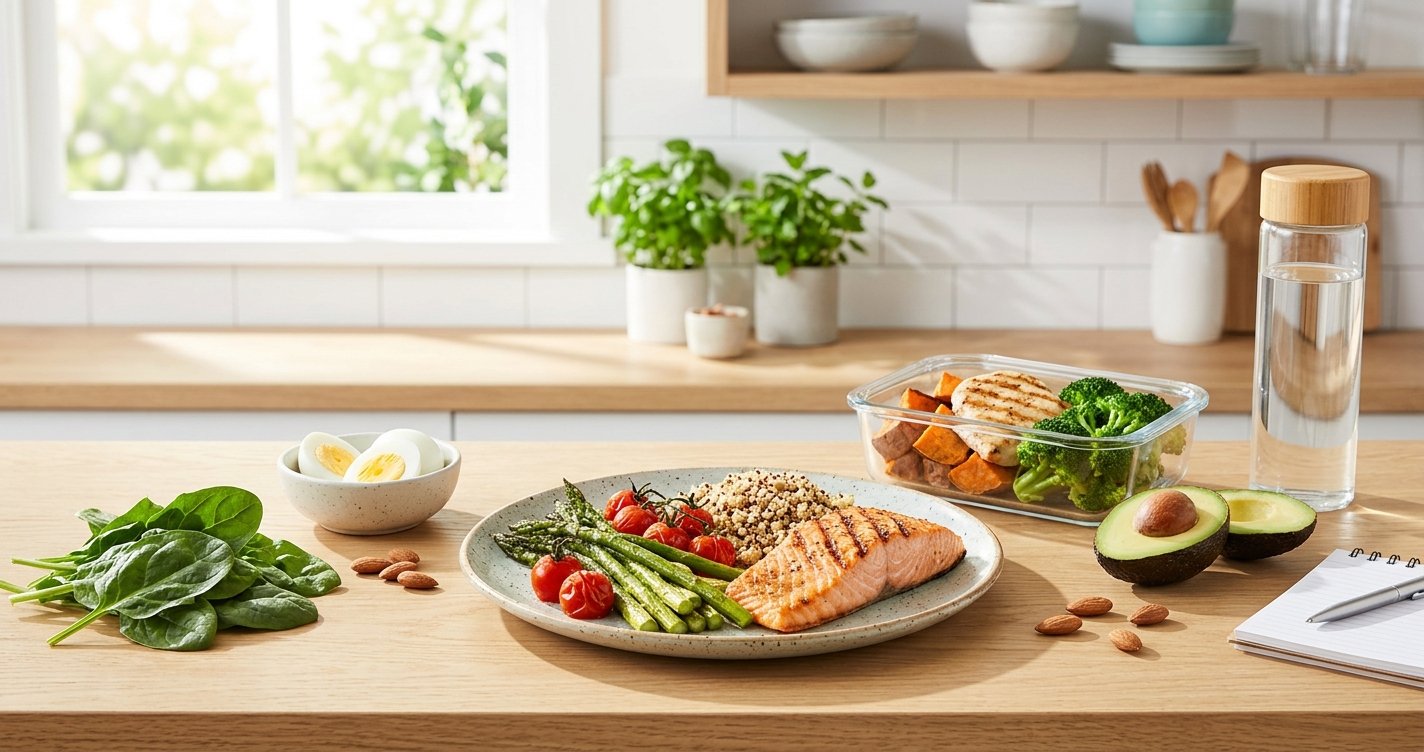
Feeling overwhelmed by the sheer volume of fat loss advice out there? From restrictive diets to extreme workouts, it’s easy to get lost in the noise and feel like sustainable results are always just out of reach. But what if we told you that the most effective, evidence-based approach to lasting fat loss boils down to two powerful, interconnected pillars: understanding the calorie deficit and leveraging the incredible benefits of protein?
Forget the fads and quick fixes. This guide is your friendly, science-backed roadmap to unlocking sustainable fat loss by mastering these fundamental nutritional strategies. We’ll break down exactly what you need to know, why it works, and how to implement it into your life without feeling deprived or overwhelmed. Let’s build a healthier, stronger you, one smart choice at a time! this excellent wellness product
Understanding the Basics: The Calorie Deficit Explained
At the heart of any successful fat loss journey lies a simple, undeniable truth: you must consume fewer calories than your body burns. This is known as a calorie deficit. Think of your body as a car: if you put less fuel in than you use, it eventually has to tap into its reserves – in this case, stored body fat – for energy.
It’s not about starving yourself or feeling perpetually hungry. A sustainable calorie deficit is about smart, intentional reduction. Your body burns calories simply by existing (your Basal Metabolic Rate or BMR), and then more through daily activities, exercise, and even digesting food. When your caloric intake consistently falls below your total daily energy expenditure (TDEE), your body begins to mobilize fat stores to make up the difference.
How to Create a Healthy Calorie Deficit:
- Estimate Your TDEE: Online calculators can give you a good starting point based on your age, gender, weight, height, and activity level.
- Aim for a Modest Deficit: A safe and sustainable deficit is typically 300-500 calories below your TDEE. This generally leads to a fat loss of 0.5-1 pound per week, which is realistic and easier to maintain.
- Prioritize Nutrient-Dense Foods: Filling your plate with whole, unprocessed foods (fruits, vegetables, lean proteins, whole grains) allows you to feel full and satisfied on fewer calories, making the deficit much more manageable.
Consistency is key here. It’s not about one day of perfect eating, but rather a consistent pattern over weeks and months that truly drives results. Remember, this is a marathon, not a sprint!
The Powerhouse Nutrient: Why Protein is Your Best Friend for Fat Loss
If the calorie deficit is the engine of fat loss, then protein is the high-octane fuel that makes it run efficiently. Protein is an absolute game-changer, offering multiple benefits that directly support your fat loss goals:
1. Superb Satiety: Keeps You Fuller, Longer
Of all the macronutrients (protein, carbs, fats), protein is by far the most satiating. Eating enough protein helps you feel full and satisfied, reducing cravings and the likelihood of overeating. Imagine reaching for a snack because you’re genuinely hungry versus because your last meal left you feeling empty. Protein helps bridge that gap, making it easier to stick to your calorie goals.
2. Muscle Preservation: Protect Your Metabolism
When you’re in a calorie deficit, your body can sometimes break down muscle tissue for energy, not just fat. This is where protein steps in as your protector. Adequate protein intake, especially when combined with strength training, signals to your body to preserve precious muscle mass. Why is this crucial? Because muscle is metabolically active – it burns more calories at rest than fat tissue. Protecting your muscle means protecting your metabolism, making fat loss more efficient and preventing rebound weight gain.
3. The Thermic Effect of Food (TEF): Burn More Calories Digesting
Did you know your body burns calories just to digest and process the food you eat? This is called the Thermic Effect of Food (TEF). Protein has the highest TEF of all macronutrients, meaning your body expends more energy digesting protein than it does carbs or fats. While not a massive calorie burner on its own, it’s another small but significant advantage that adds up over time.
How Much Protein Do You Need?
For optimal fat loss and muscle preservation, aim for 1.6 to 2.2 grams of protein per kilogram of body weight per day. For an average person, this often means ensuring protein is a significant component of every meal.
- Excellent Protein Sources: Lean meats (chicken, turkey, beef), fish (salmon, tuna, cod), eggs, dairy (Greek yogurt, cottage cheese), legumes (lentils, beans), tofu, tempeh, and protein supplements (whey, casein, plant-based).
Beyond Protein: Smart Carb and Fat Choices
While protein and a calorie deficit are foundational, a well-rounded diet also includes quality carbohydrates and healthy fats. These aren't the enemy; they're essential for energy, hormone function, and overall health.
- Smart Carbohydrates: Focus on complex carbohydrates rich in fiber, such as whole grains (oats, brown rice, quinoa), fruits, and vegetables. Fiber adds bulk to your meals, promoting fullness and aiding digestion, all while providing sustained energy without sharp blood sugar spikes.
- Healthy Fats: Essential for hormone production, nutrient absorption, and satiety. Include sources like avocados, nuts, seeds, olive oil, and fatty fish. Remember, while healthy, fats are calorie-dense, so portion control is important when you're in a calorie deficit.
The key is balance and mindful portioning to ensure these vital nutrients fit within your overall calorie target.
Practical Strategies for Implementation
Knowing the science is one thing; putting it into practice is another. Here are some actionable tips to integrate these principles into your daily life:
- Meal Planning & Preparation: Dedicate some time each week to plan your meals and prep some components. Having healthy, high-protein options ready makes sticking to your plan much easier, especially when life gets busy.
- Track Your Intake (Initially): Using a food tracking app (like MyFitnessPal or Cronometer) for a few weeks can be incredibly insightful. It helps you understand the calorie and protein content of your usual foods and build awareness without needing to track forever.
- Prioritize Protein at Every Meal: Aim for 20-40 grams of protein in each main meal. This helps distribute your protein intake throughout the day, maximizing its benefits for satiety and muscle synthesis.
- Smart Food Swaps: Replace high-calorie, low-satiety foods with nutrient-dense, high-protein alternatives. Think Greek yogurt instead of sugary desserts, lean chicken breast instead of processed meats, or a large salad with protein instead of a heavy sandwich.
- Hydration is Key: Drinking plenty of water can help with satiety, boost metabolism slightly, and is crucial for overall health. Sometimes, thirst is mistaken for hunger!
- Mindful Eating: Pay attention to your hunger and fullness cues. Eat slowly, savor your food, and put away distractions. This helps you recognize when you've had enough, preventing overeating.
Navigating Challenges: Plateaus and Progress
The journey to sustainable fat loss isn't always linear. You might hit a plateau, where progress seems to stall. This is completely normal! Your body adapts, and sometimes you need to adjust your strategy.
- Re-evaluate Your Intake: Your TDEE decreases as you lose weight. You might need to slightly reduce your calorie target or increase your activity level.
- Check Your Consistency: Are you truly sticking to your deficit? Hidden calories from sauces, drinks, or small snacks can add up.
- Increase Activity: Incorporate more non-exercise activity (NEAT) like walking, taking the stairs, or even a few extra steps each day.
- Focus on Non-Scale Victories: Don't let the scale be your only measure of success. Are your clothes fitting better? Do you have more energy? Are you stronger in your workouts? These are all incredible signs of progress!
Patience and consistency are your greatest allies. Fat loss takes time, and celebrating small wins along the way will keep you motivated.
Putting It All Together: A Sustainable Approach
Sustainable fat loss isn't about deprivation; it's about empowerment. It’s about understanding how your body works and making informed choices that align with your goals and support your overall health. By focusing on a consistent calorie deficit and prioritizing adequate protein intake, you’re not just losing weight – you’re building a foundation for a healthier, more energetic life.
This is a lifestyle change, not a temporary diet. Embrace the process, learn what works best for your body, and enjoy the incredible benefits of feeling stronger, healthier, and more confident.
Your Journey Starts Now!
You now have the knowledge and practical tools to start your journey towards sustainable fat loss. Remember, small, consistent steps lead to significant, lasting change. Don't aim for perfection, aim for consistency. Be kind to yourself, celebrate your progress, and trust the process.
Ready to take control? Start by making one high-protein meal choice today and track your calories for a week to gain awareness. Your future self will thank you!