Tired of the Fat Loss Rollercoaster? Discover the Sustainable Path!
Have you ever felt like you're constantly battling the scale, trying every new diet fad, only to end up back where you started, or even heavier? You're not alone. The world of fat loss is often cluttered with quick fixes and extreme restrictions that are simply unsustainable. But what if there was a simpler, more effective way – one that nourishes your body, keeps you feeling full, and helps you shed fat for good?
Welcome to the world of sustainable fat loss, where two powerful allies stand out: protein and whole foods. Forget deprivation; it's time to embrace a strategy that works with your body, not against it. This isn't about a temporary diet; it's about building habits that lead to lasting results, improved health, and a happier you. this excellent wellness product
Why Fad Diets Fail: The Sustainability Trap
Before we dive into the good stuff, let's briefly touch on why so many popular fat loss diets ultimately disappoint. Most fad diets are designed for rapid, short-term weight loss. They often involve severe calorie restriction, cutting out entire food groups, or relying on specific "magic" foods. While you might see initial results, these methods are rarely sustainable because:
- They're Restrictive: Extreme limitations can lead to cravings, nutrient deficiencies, and a feeling of deprivation that makes adherence difficult.
- They Aren't Education-Based: They don't teach you how to build healthy eating habits for life.
- They Can Be Demoralizing: The inevitable rebound weight gain after stopping a restrictive diet can be incredibly frustrating and harmful to your self-esteem.
True fat loss isn't just about shedding pounds; it's about losing body fat while preserving muscle, improving your metabolic health, and fostering a positive relationship with food. This is where protein and whole foods truly shine.
The Undisputed King: Protein for Sustainable Fat Loss
If there's one nutrient you absolutely must prioritize for fat loss, it's protein. Research consistently highlights its unique benefits, making it an indispensable part of any effective fat loss strategy.
How Protein Boosts Your Fat Loss Efforts:
- Satiety Superpower: Protein is incredibly filling. Eating adequate protein helps you feel fuller for longer, significantly reducing hunger pangs and preventing overeating. This means fewer mindless snacks and better control over your calorie intake.
- The Thermic Effect of Food (TEF): Your body expends energy to digest, absorb, and metabolize food. Protein has the highest TEF compared to carbohydrates and fats. This means you burn more calories simply by eating protein-rich foods, giving your metabolism a slight, but consistent, boost.
- Muscle Preservation: When you're in a calorie deficit (necessary for fat loss), your body can sometimes break down muscle tissue for energy. Protein intake helps protect your precious muscle mass. Why is this important? Muscle is metabolically active, meaning it burns more calories at rest than fat. Preserving muscle helps maintain a higher resting metabolism, making it easier to sustain fat loss long-term.
- Reduced Cravings: Studies suggest that a higher protein intake can help reduce cravings for unhealthy snacks and late-night eating, making it easier to stick to your plan.
Practical Tips for Increasing Protein Intake:
- Include a lean protein source with every meal (chicken, fish, eggs, Greek yogurt, lentils, beans, tofu).
- Opt for protein-rich snacks like cottage cheese, a handful of almonds, or a protein shake.
- Prioritize protein at breakfast to kickstart your day with satiety.
Beyond Calories: The Magic of Whole Foods
While calorie balance is fundamental for fat loss, the quality of those calories matters immensely. This is where whole foods come into play. Whole foods are foods that are as close to their natural state as possible, with minimal processing.
Why Whole Foods Are Your Fat Loss Allies:
- Nutrient Density: Whole foods are packed with vitamins, minerals, antioxidants, and other beneficial compounds that are often stripped away during processing. This nutrient richness supports overall health and optimal bodily functions, which are crucial for effective metabolism and energy levels.
- Fiber Powerhouse: Many whole foods, especially fruits, vegetables, and whole grains, are rich in dietary fiber. Fiber contributes to satiety, aids digestion, helps regulate blood sugar levels, and supports a healthy gut microbiome – all factors that indirectly assist in fat loss.
- Lower Energy Density: Whole foods, particularly fruits and vegetables, often have a high water content and are less "calorie-dense" than highly processed foods. This means you can eat a larger volume of food for fewer calories, helping you feel satisfied without overdoing it on energy intake.
- Avoidance of "Empty Calories": Processed foods often contain excessive amounts of added sugars, unhealthy fats, and artificial ingredients that offer little nutritional value but contribute significantly to your calorie count, making fat loss harder.
Examples of Fat-Loss Friendly Whole Foods:
- Lean Proteins: Chicken breast, turkey, fish (salmon, cod), eggs, lean beef, tofu, tempeh, lentils, beans.
- Vegetables: Spinach, broccoli, bell peppers, carrots, zucchini, kale, cauliflower (eat a rainbow!).
- Fruits: Berries, apples, bananas, oranges, pears.
- Whole Grains: Oats, quinoa, brown rice, whole-wheat bread (in moderation).
- Healthy Fats: Avocados, nuts, seeds, olive oil (in moderation).
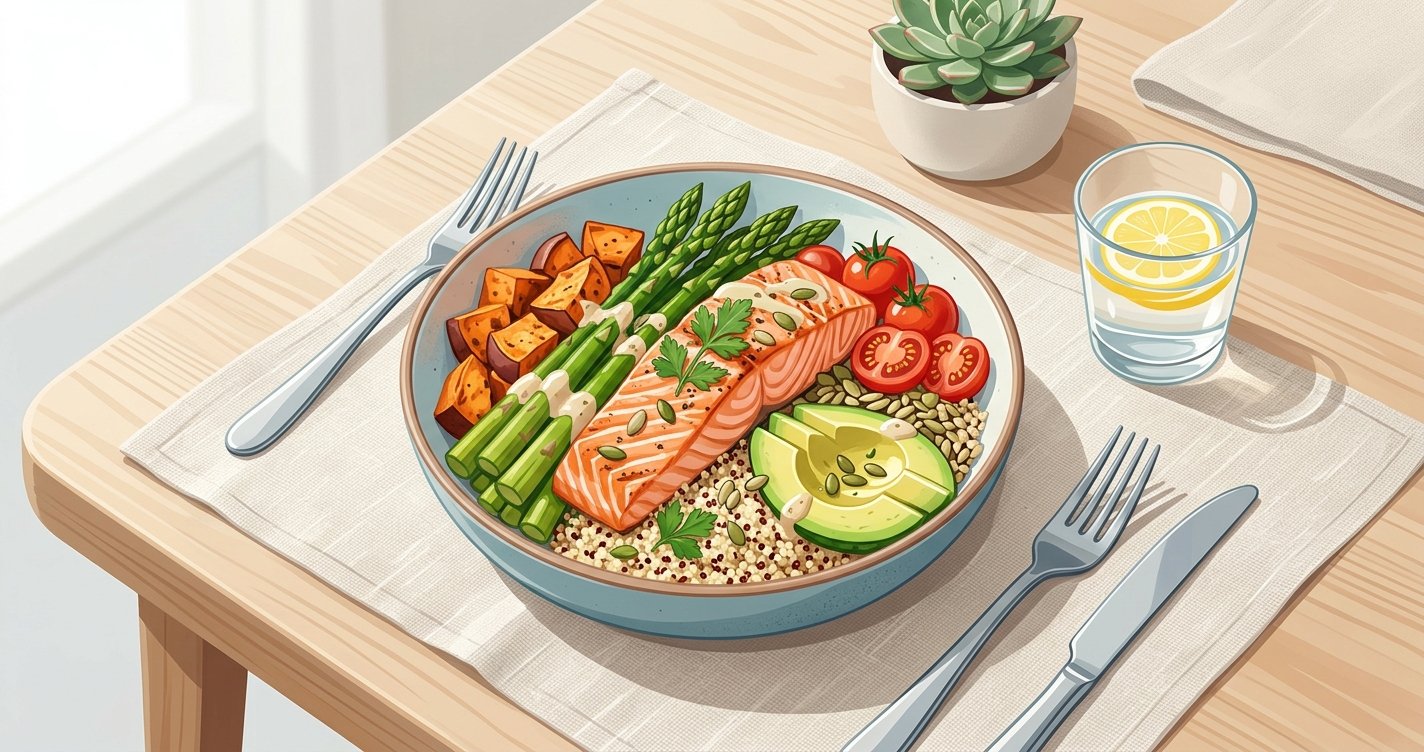
Building Your Plate: Practical Strategies for Success
Now that you understand the "why," let's focus on the "how." Incorporating protein and whole foods into your daily routine doesn't have to be complicated. Think of building a balanced plate at each meal:
- Prioritize Protein First: Aim for a palm-sized portion of lean protein at every main meal. This is your anchor for satiety and muscle preservation.
- Fill Half Your Plate with Veggies: Load up on non-starchy vegetables. They're packed with nutrients and fiber, low in calories, and incredibly filling.
- Choose Complex Carbs Wisely: Add a fist-sized portion of complex carbohydrates like quinoa, brown rice, sweet potatoes, or whole-grain bread. These provide sustained energy without the blood sugar spikes of refined carbs.
- Don't Forget Healthy Fats: Include a small amount (e.g., a thumb-sized portion) of healthy fats from sources like avocado, nuts, seeds, or a drizzle of olive oil. Fats are essential for hormone production and nutrient absorption, and they also contribute to satiety.
Snacks should also follow this principle: pair protein with a whole food, like Greek yogurt with berries, an apple with a tablespoon of nut butter, or hard-boiled eggs with some carrot sticks.
Mindset Matters: Cultivating a Sustainable Approach
Fat loss isn't just about what you eat; it's also about your mindset. Adopting a sustainable approach means shifting away from perfectionism and embracing consistency and patience.
- Be Patient: Sustainable fat loss takes time. Celebrate small victories and don't get discouraged by slow progress.
- Be Consistent: Small, consistent changes yield far greater results than drastic, short-lived efforts.
- Listen to Your Body: Pay attention to hunger and fullness cues. Eat when you're hungry, stop when you're satisfied, not stuffed.
- Focus on Progress, Not Perfection: One "off" meal or day won't derail your entire journey. Get back on track at your next meal and move forward.
- Hydrate: Don't underestimate the power of water! It helps with satiety and overall bodily function.
Putting It All Together: Your Action Plan
Ready to transform your fat loss journey? Here's a simple action plan to get started:
- Audit Your Protein: For three days, track your protein intake. Are you getting enough? Aim for at least 0.7-1 gram of protein per pound of your goal body weight.
- Swap & Upgrade: Identify one processed food you regularly eat and swap it for a whole-food alternative (e.g., sugary cereal for oatmeal with berries and protein powder; white bread for whole-grain).
- Plate Power: For your next three meals, consciously build your plate around the protein-first, half-veggies, complex carb, and healthy fat guidelines.
- Hydrate Consistently: Carry a water bottle and sip throughout the day.
- Plan Ahead: Take 30 minutes each week to plan some meals or prep ingredients. This significantly reduces the chances of reaching for unhealthy options when hunger strikes.
Embrace the Journey to a Healthier You!
Sustainable fat loss isn't about deprivation or endless struggle; it's about empowering yourself with knowledge and making choices that nourish your body and mind. By harnessing the power of protein and whole foods, you're not just losing fat – you're building a foundation for lifelong health, increased energy, and a confident, vibrant you.
Remember, this is your journey, and every step forward, no matter how small, is progress. Be kind to yourself, stay consistent, and enjoy the incredible benefits of a truly sustainable approach to fat loss!