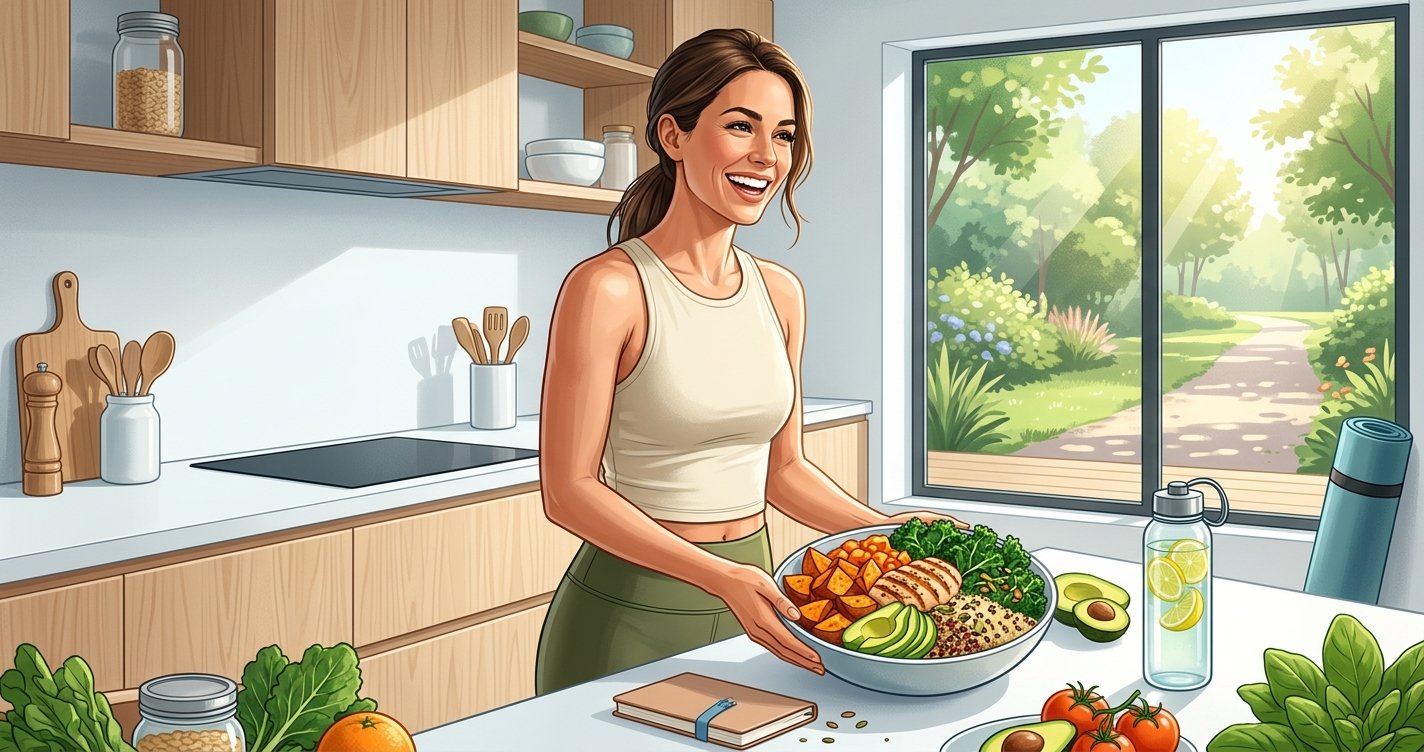
Tired of Yo-Yo Diets? Discover the Secrets to Sustainable Fat Loss!
Have you ever embarked on a fat loss journey, full of determination, only to find yourself back where you started a few months later? You’re not alone. The world is full of quick-fix diets promising rapid results, but the truth is, most of these extreme approaches are unsustainable, unhealthy, and ultimately lead to frustration. If you’re ready to ditch the deprivation and embrace a path that not only helps you lose fat but keeps it off for good, you're in the right place. This guide will walk you through the evidence-based strategies for sustainable fat loss, focusing on health, well-being, and lasting results.
We’ll explore how to nourish your body, move effectively, and cultivate a mindset that supports your goals, all without resorting to starvation or endless hours at the gym. Get ready to transform your approach to fat loss and build habits that truly stick! this excellent wellness product
1. Understanding the Foundation: The Calorie Deficit (Without Obsession)
At its core, fat loss boils down to one fundamental principle: consuming fewer calories than your body burns. This is known as a calorie deficit. While this might sound intimidating, it doesn't mean you need to meticulously count every single calorie or starve yourself. In fact, extreme deficits are counterproductive, leading to muscle loss, metabolic slowdown, and intense cravings that often result in rebound weight gain.
The Smart Approach to a Calorie Deficit:
- Moderate Reduction: Aim for a modest deficit of 300-500 calories per day. This allows for steady, sustainable fat loss (typically 1-2 pounds per week) without feeling overly deprived.
- Focus on Food Quality: Instead of just cutting calories, focus on what you're eating. Nutrient-dense foods naturally fill you up with fewer calories than highly processed options.
- Listen to Your Body: Learn to recognize true hunger and fullness cues. Sometimes, we eat out of habit, boredom, or stress, not actual physiological need.
Think of the calorie deficit as a gentle nudge, not a drastic overhaul. It’s about making smarter choices consistently, not about suffering.
2. Fueling Your Body Smartly: Nutrition for Lasting Results
Your plate is your most powerful tool in the journey toward sustainable fat loss. What you eat directly impacts your energy levels, satiety, metabolism, and overall health. Here’s how to build a nutrition strategy that supports your goals:
Prioritize Protein: Your Satiety Superstar
Protein is arguably the most crucial macronutrient for fat loss. It’s incredibly satiating, meaning it keeps you feeling full for longer, reducing the likelihood of overeating. Furthermore, protein has a higher thermic effect of food (TEF), meaning your body burns more calories digesting it compared to fats or carbohydrates. Crucially, adequate protein intake helps preserve lean muscle mass during a calorie deficit, which is vital for maintaining a healthy metabolism.
- Aim for 0.7-1 gram of protein per pound of body weight (or per pound of your goal weight).
- Include a protein source in every meal: Chicken breast, fish, lean beef, eggs, Greek yogurt, tofu, lentils, and protein powder are excellent options.
Embrace Whole Foods: Nutrient Density Over Empty Calories
Whole, unprocessed foods are packed with vitamins, minerals, fiber, and antioxidants, providing maximum nutrition with fewer calories. They are naturally more filling and provide sustained energy, preventing energy crashes and subsequent cravings.
- Fill half your plate with non-starchy vegetables: Broccoli, spinach, bell peppers, zucchini, kale are low in calories but high in fiber and nutrients.
- Choose complex carbohydrates: Oats, brown rice, quinoa, sweet potatoes provide sustained energy and fiber.
- Healthy fats are essential: Avocados, nuts, seeds, olive oil are crucial for hormone production, nutrient absorption, and satiety (in moderation).
Hydration is Key: Don't Forget the Water!
Often overlooked, adequate water intake is vital. Water helps with metabolism, nutrient transport, and can even help manage hunger, as thirst is sometimes mistaken for hunger. Aim for 8-10 glasses (2-2.5 liters) of water daily, and even more if you're active.
3. Move Your Body, Build Your Strength: Exercise for Fat Loss
While nutrition is paramount, exercise plays a critical role in accelerating fat loss, improving body composition, and boosting overall health. It’s not just about burning calories; it’s about building a stronger, more resilient you.
The Power of Strength Training: Build Muscle, Burn More
Strength training (lifting weights, bodyweight exercises, resistance bands) is non-negotiable for sustainable fat loss. Muscle tissue is metabolically active, meaning it burns more calories at rest than fat tissue. Building and maintaining muscle helps preserve your metabolism during a calorie deficit, leading to a more toned physique and improved strength.
- Aim for 2-4 strength training sessions per week, targeting all major muscle groups.
- Focus on compound movements like squats, deadlifts, presses, and rows.
Incorporate Cardio (But Don't Overdo It)
Cardiovascular exercise is excellent for heart health, endurance, and burning additional calories. However, avoid relying solely on cardio for fat loss, as it doesn't build muscle in the same way strength training does.
- Mix it up: Include both steady-state cardio (walking, jogging) and high-intensity interval training (HIIT) for varied benefits.
- Listen to your body: Don't push yourself to exhaustion every day. Recovery is just as important.
NEAT: The Unsung Hero of Calorie Burn
Non-Exercise Activity Thermogenesis (NEAT) refers to the calories you burn through daily activities that aren't formal exercise. This includes walking, standing, fidgeting, taking the stairs, and even doing household chores. Boosting your NEAT can significantly contribute to your daily calorie expenditure without feeling like a workout.
- Take the stairs instead of the elevator.
- Park further away to get extra steps.
- Take short walking breaks throughout your workday.
4. Beyond Diet & Exercise: Lifestyle Factors That Matter
Sustainable fat loss isn't just about what you eat and how you move; it's deeply intertwined with your overall lifestyle. Neglecting these crucial factors can sabotage even the best diet and exercise plans.
Master Your Sleep: The Ultimate Recovery Tool
Sleep is where your body repairs, recovers, and regulates vital hormones. Lack of sleep can disrupt hunger-regulating hormones (ghrelin and leptin), leading to increased cravings for unhealthy foods and impaired decision-making. Aim for 7-9 hours of quality sleep per night.
Tame Your Stress: Cortisol’s Impact
Chronic stress elevates cortisol levels, a hormone that can promote fat storage, especially around the abdominal area, and increase cravings for high-calorie comfort foods. Incorporate stress-reduction techniques like meditation, yoga, deep breathing, or spending time in nature.
Practice Mindful Eating: Savor Your Food
Mindful eating involves paying full attention to your food – its taste, texture, smell – and listening to your body's hunger and fullness cues. This helps prevent overeating, improves digestion, and enhances your enjoyment of meals.
- Eat slowly, without distractions.
- Notice when you feel satisfied, not just full.
- Chew thoroughly and put your fork down between bites.
5. Cultivating a Sustainable Mindset: Patience and Consistency
Perhaps the most critical ingredient for sustainable fat loss is your mindset. This isn't a race; it's a marathon. Quick fixes are appealing, but lasting change requires patience, consistency, and self-compassion.
- Focus on Progress, Not Perfection: There will be good days and bad days. Don’t let a single slip-up derail your entire journey. Get back on track with your next meal or workout.
- Celebrate Small Victories: Acknowledging non-scale victories (more energy, clothes fitting better, improved strength, better sleep) keeps you motivated and reinforces positive habits.
- Be Patient: Fat loss takes time. Trust the process, stay consistent, and the results will follow.
- Seek Support: Share your goals with friends or family, or consider working with a coach. Accountability and support can make a huge difference.
- Embrace Self-Compassion: Be kind to yourself. This journey is about improving your health and well-being, not punishing yourself.
Your Journey to Lasting Fat Loss Starts Now!
Sustainable fat loss isn't about rigid rules or extreme sacrifices; it's about building healthy habits that you can maintain for life. By understanding the importance of a moderate calorie deficit, prioritizing protein and whole foods, incorporating strength training, managing stress, and getting quality sleep, you’re setting yourself up for success.
Remember, consistency trumps intensity every single time. Start small, make one positive change today, and build from there. You have the power to transform your body and your health in a way that truly lasts. Ditch the deprivation, embrace the balance, and enjoy the journey to a healthier, happier you!