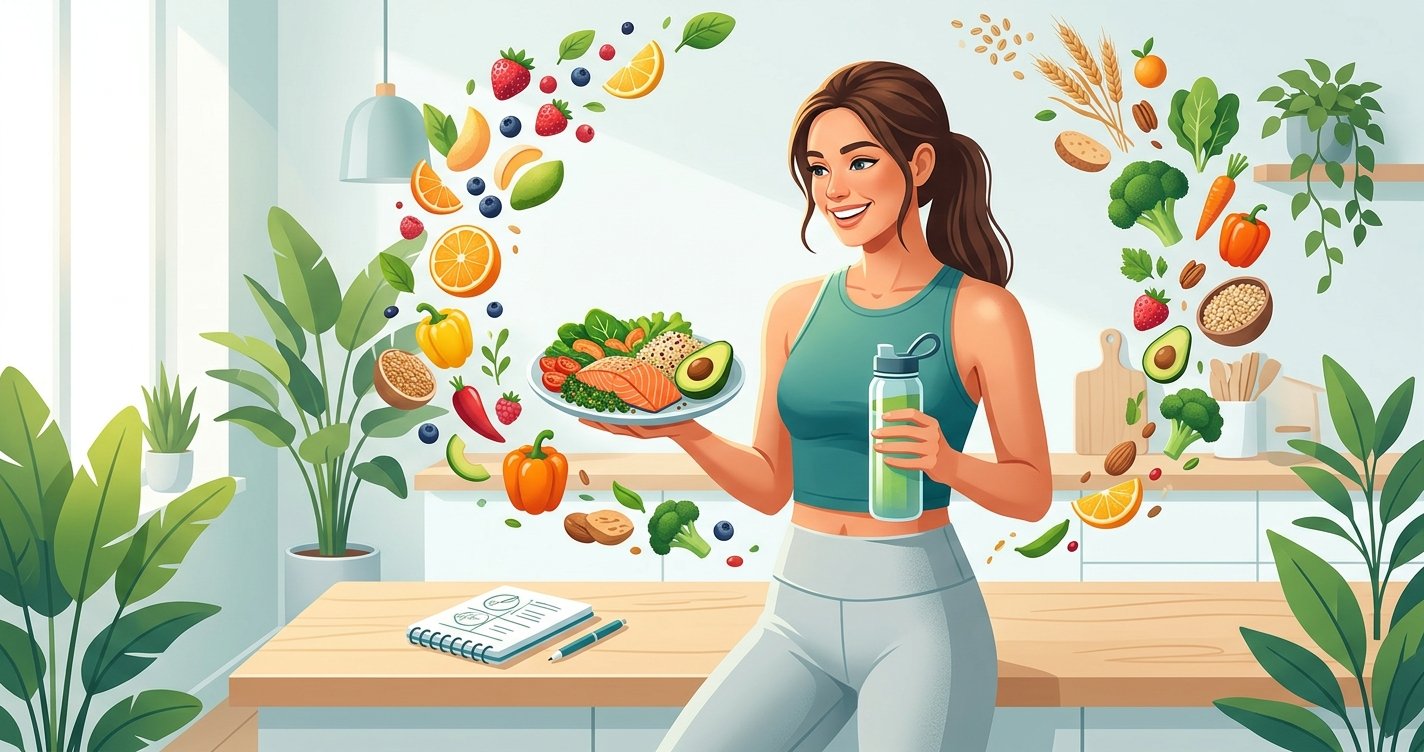
Welcome to Your Sustainable Fat Loss Journey!
Tired of the weight loss roller coaster? You know the one: you try a restrictive diet, see some initial results, only to regain the weight (and often more) shortly after. It's a frustrating, demotivating cycle that many of us have experienced. But what if there was another way? A path to fat loss that doesn't involve extreme deprivation, endless hunger, or feeling guilty about every bite?
Good news: there is! This guide is your friendly, evidence-based roadmap to achieving lasting fat loss not through crash dieting, but through smart, sustainable nutrition strategies. We're talking about building habits that you can actually stick with, making food choices that nourish your body, and understanding the science behind why certain approaches work better in the long run. Forget the quick fixes; let's build a foundation for a healthier, happier you that lasts! this excellent wellness product
Why "Quick Fixes" Don't Last (and What Does!)
The Yo-Yo Cycle: A Familiar Frustration
The allure of rapid weight loss is powerful. We see headlines promising "lose 10 pounds in a week!" and naturally, we're drawn in. The problem? These extreme approaches are rarely sustainable. They often involve severely restricting calories, cutting out entire food groups, or relying on shakes and supplements. While they might deliver initial weight loss (often water weight and some muscle, not just fat), they come at a cost.
Your body is incredibly smart. When you drastically cut calories, your metabolism can slow down as it tries to conserve energy. This is a survival mechanism, but it makes continued fat loss incredibly difficult. Furthermore, these diets are often nutritionally incomplete and leave you feeling deprived, irritable, and constantly hungry. This state is unsustainable, leading to eventual "give-ins," overeating, and the dreaded weight regain. Our goal here is different: to work with your body, not against it, for gentle yet effective and lasting fat loss.
The Cornerstone of Fat Loss: A Gentle Calorie Deficit
Understanding Energy Balance, Simply Put
At its core, fat loss boils down to one fundamental principle: energy balance. To lose fat, you need to consistently consume slightly fewer calories than your body expends. This is known as a calorie deficit. Think of your body as a car: if you put less fuel in than you burn driving, the fuel tank will eventually deplete.
The key word here is "gentle." We're not talking about starving yourself. A sustainable calorie deficit means reducing your daily intake by a modest amount – typically 300-500 calories below your maintenance level. This allows your body to tap into its stored fat for energy without triggering extreme metabolic slowdowns or intense hunger. It's a slow and steady approach that yields lasting results.
- Start by Tracking: For a few days, simply track your current food intake without making changes. This gives you a baseline of how many calories you typically consume.
- Make Small Reductions: Once you have your baseline, aim to reduce your intake by 300-500 calories. This could mean swapping a sugary drink for water, reducing portion sizes slightly, or opting for leaner protein sources.
- Be Patient: Sustainable fat loss takes time. Aim for a loss of 1-2 pounds per week. This pace is more likely to be fat loss, not just water or muscle, and is much easier to maintain.
Power Up with Protein: Your Satiety & Muscle Ally
Why Protein is a Fat Loss Game-Changer
If there's one macronutrient to prioritize for fat loss, it's protein. Protein plays several crucial roles that make your fat loss journey smoother and more effective:
- Satiety Superstar: Protein is incredibly filling. Including adequate protein at each meal helps you feel fuller for longer, reducing cravings and the likelihood of overeating.
- Muscle Preservation: When you're in a calorie deficit, your body can sometimes break down muscle tissue for energy. Protein helps protect your precious muscle mass, which is vital because muscle burns more calories at rest than fat does. Maintaining or even building muscle helps keep your metabolism humming.
- Thermic Effect of Food (TEF): Your body uses energy to digest, absorb, and metabolize food. Protein has the highest TEF compared to fats and carbohydrates, meaning you burn more calories simply by eating it!
Smart Protein Choices to Fuel Your Body
Aim for a protein source at every main meal and even in your snacks. Here are some excellent choices:
- Lean Meats: Chicken breast, turkey, lean beef, pork tenderloin.
- Fish and Seafood: Salmon, cod, tuna, shrimp, sardines.
- Eggs: A complete protein powerhouse.
- Dairy: Greek yogurt, cottage cheese, milk (opt for lower-fat versions).
- Legumes: Lentils, beans, chickpeas (also great sources of fiber!).
- Plant-Based: Tofu, tempeh, edamame, protein powders (whey, casein, soy, pea).
Embrace Fiber: The Unsung Hero of Satiety and Gut Health
The Magic of Fiber-Rich Foods
Often overlooked, dietary fiber is another powerful ally in your sustainable fat loss journey. Found abundantly in fruits, vegetables, whole grains, and legumes, fiber contributes to fat loss in several ways:
- Keeps You Full: Fiber adds bulk to your meals, helping you feel satisfied without adding many calories. Soluble fiber, in particular, forms a gel-like substance in your digestive tract, slowing down digestion and nutrient absorption.
- Stabilizes Blood Sugar: Fiber helps regulate blood sugar levels, preventing the sharp spikes and crashes that can lead to cravings and energy dips.
- Supports Gut Health: A healthy gut microbiome is increasingly linked to overall metabolism and weight management. Fiber acts as a prebiotic, feeding the beneficial bacteria in your gut.
Delicious Ways to Boost Your Fiber Intake
- Load Up on Veggies: Fill half your plate with non-starchy vegetables at every meal.
- Choose Whole Grains: Opt for brown rice, quinoa, whole-wheat bread, and oats instead of refined grains.
- Enjoy Fruits: Berries, apples, pears, and oranges are excellent sources of fiber (eat the skin!).
- Incorporate Legumes: Add beans, lentils, and chickpeas to soups, salads, and stews.
Hydration & Mindful Eating: Supporting Players in Your Journey
Drink Your Way to Success: The Power of Water
Don't underestimate the simple power of water. Staying well-hydrated is crucial for optimal metabolic function. Sometimes, your body can confuse thirst signals with hunger, leading you to eat when all you really need is a glass of water. Drinking water before meals can also help you feel fuller and potentially eat less.
Aim for at least 8 glasses of water a day, and more if you're active or in a hot climate. Keep a water bottle handy as a constant reminder.
Tune In: Mindful Eating for Better Choices
Beyond what you eat, how you eat matters significantly. Mindful eating involves paying attention to your food – its taste, texture, and smell – and listening to your body's hunger and fullness cues. In our fast-paced world, it's easy to eat distractedly, leading to overconsumption.
- Slow Down: Put your fork down between bites.
- Chew Thoroughly: Savor each mouthful.
- Eliminate Distractions: Turn off the TV, put away your phone.
- Listen to Your Body: Eat when you're hungry, stop when you're comfortably full, not stuffed.
Beyond the Plate: Lifestyle Factors for Lasting Success
Sleep, Stress, and Movement: The Holistic Picture
While nutrition is paramount, your fat loss journey is a holistic one. Other lifestyle factors play a huge supporting role:
- Quality Sleep: Lack of sleep can disrupt hormones that regulate hunger (ghrelin) and satiety (leptin), making you hungrier and more prone to cravings. Aim for 7-9 hours of quality sleep per night.
- Stress Management: Chronic stress elevates cortisol levels, which can promote fat storage, particularly around the midsection. Find healthy ways to manage stress, whether it's meditation, yoga, spending time in nature, or hobbies.
- Consistent Movement: While you can't out-exercise a bad diet, regular physical activity complements your nutritional efforts. It burns calories, builds muscle (further boosting metabolism), improves mood, and enhances overall health. Find activities you enjoy and make them a regular part of your routine.
Building Your Sustainable Plate: Practical Tips for Every Meal
Putting it all together doesn't have to be complicated. Here’s a simple framework for building balanced, fat-loss-friendly meals:
- Start with Protein: Make lean protein the centerpiece of your meal.
- Add Plenty of Fiber-Rich Veggies: Fill at least half your plate with non-starchy vegetables.
- Include Smart Carbs: Choose whole grains, fruits, or starchy vegetables in moderate portions.
- Don't Fear Healthy Fats: Include a small amount of healthy fats (avocado, nuts, seeds, olive oil) for satiety and essential nutrients.
- Hydrate Throughout the Day: Keep water within reach.
- Plan Ahead: Meal prepping or having healthy options readily available can prevent impulsive, less healthy choices.
- Be Consistent, Not Perfect: One "off" meal or day won't derail your progress. Get back on track with your next meal.
Your Journey to Lasting Fat Loss Starts Now!
Sustainable fat loss isn't about deprivation; it's about empowerment. It's about understanding your body, making informed choices, and building habits that serve your long-term health and well-being. By focusing on a gentle calorie deficit, prioritizing protein and fiber, staying hydrated, eating mindfully, and nurturing your overall lifestyle, you're setting yourself up for success that lasts.
Remember, this is a journey, not a race. Be patient with yourself, celebrate your small victories, and approach your body with kindness and consistency. You have the power to transform your relationship with food and achieve the healthy, energetic life you deserve. Let's make sustainable fat loss your reality!