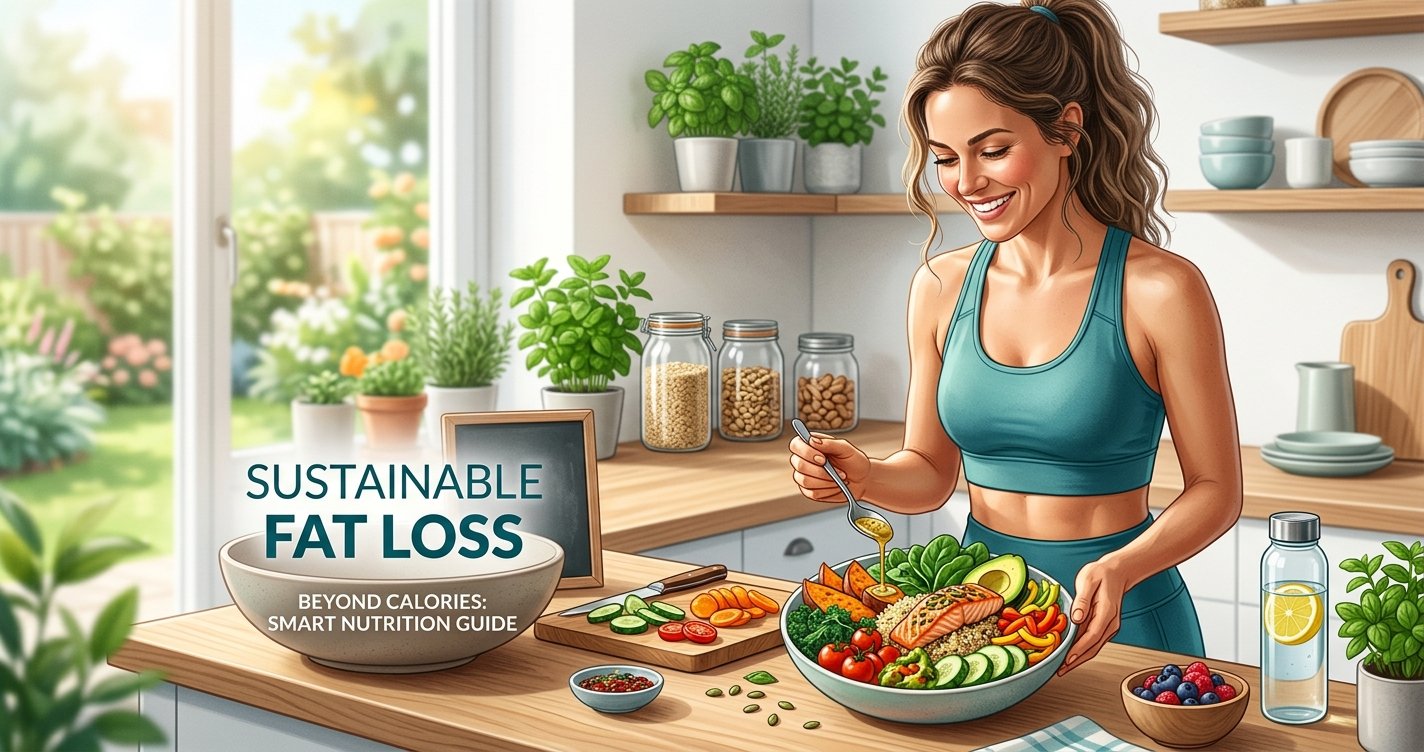
Tired of Dieting? Why Sustainable Fat Loss is About More Than Just Calories
For years, the mantra for fat loss has been simple: “eat less, move more,” often boiling down to a relentless focus on calorie counting. And while creating a calorie deficit is undeniably a foundational piece of the puzzle, many of us have experienced the frustration of strict calorie restriction that leads to short-term results, only to rebound later. Why does this happen? Because sustainable fat loss isn't just about the numbers; it's profoundly about the quality of your food, your body's response to it, and your relationship with eating.
If you're ready to ditch the endless cycle of deprivation and discover a smarter, more enjoyable path to lasting fat loss, you've come to the right place. This guide will take you beyond the calorie counter, exploring evidence-based nutrition strategies that not only help you shed fat but also nourish your body, boost your energy, and make healthy eating an effortless part of your life. this excellent wellness product
The Calorie Conundrum: Why Counting Isn't Always Enough
Yes, a calorie deficit is non-negotiable for fat loss. You must consume fewer calories than your body expends. However, treating all calories equally is where many diets go wrong. 100 calories from a handful of almonds behave very differently in your body than 100 calories from a sugary soda or a highly processed snack.
Different foods impact satiety, hormone responses (like insulin and ghrelin), nutrient absorption, and even the energy your body expends just to digest them. Focusing solely on calorie numbers without considering the nutritional value can leave you feeling hungry, depleted, and struggling with cravings, making adherence almost impossible in the long run. It's time to shift our focus from just “how much” to “what kind.”
Power Up with Protein: Your Satiety & Muscle Ally
If there's one macronutrient that deserves star billing in your fat loss journey, it's protein. Protein is an absolute powerhouse for sustainable fat loss, offering multiple benefits that go far beyond basic nutrition.
The Thermic Effect of Food (TEF) & Protein
Did you know your body burns calories just to digest food? This is known as the Thermic Effect of Food (TEF). Protein has the highest TEF of all macronutrients, meaning your body expends more energy breaking down and utilizing protein than it does for carbohydrates or fats. This effectively gives you a small “metabolic boost” with every protein-rich meal.
Satiety & Muscle Preservation
Protein is incredibly satiating. It helps you feel fuller for longer, significantly reducing the likelihood of overeating or snacking between meals. This isn't just a feeling; protein impacts hormones that signal fullness to your brain. Furthermore, when you're in a calorie deficit, your body can sometimes break down muscle tissue for energy. Adequate protein intake is crucial for preserving lean muscle mass, which is vital for maintaining a healthy metabolism and a toned physique.
Practical Tips for Protein Intake:
- Aim for 20-40 grams of protein per meal.
- Prioritize lean sources like chicken breast, turkey, fish, eggs, Greek yogurt, cottage cheese, lean beef, lentils, beans, and tofu.
- Incorporate protein into every meal and snack.
- Consider a protein shake post-workout or as a convenient snack.
Embrace Fiber: The Unsung Hero of Fat Loss
Often overlooked, dietary fiber is another critical component for successful, sustainable fat loss. It's not just for regularity; fiber plays a multi-faceted role in helping you achieve your body composition goals.
Fullness Factor & Gut Health
Fiber, particularly soluble fiber, absorbs water and forms a gel-like substance in your digestive tract. This adds bulk to your food, slowing down digestion and making you feel fuller for longer, much like protein. Beyond satiety, fiber is essential for a healthy gut microbiome. A thriving gut environment is increasingly linked to better weight management, reduced inflammation, and improved overall health.
Blood Sugar Regulation
Foods high in fiber tend to have a lower glycemic index, meaning they cause a slower, more gradual rise in blood sugar compared to refined carbohydrates. Stable blood sugar levels help prevent energy crashes, reduce cravings, and can positively influence fat storage by moderating insulin spikes.
Fiber-Rich Foods to Love:
- **Vegetables:** Broccoli, spinach, carrots, Brussels sprouts, kale.
- **Fruits:** Berries, apples, pears, oranges.
- **Legumes:** Lentils, black beans, chickpeas.
- **Whole Grains:** Oats, quinoa, brown rice, whole-wheat bread.
- **Nuts & Seeds:** Chia seeds, flax seeds, almonds.
Don't Fear Healthy Fats: Essential for Hormones & Flavor
For too long, fats were demonized in the diet world. We now know that healthy fats are absolutely essential for our body's optimal functioning, including hormone production, nutrient absorption, and yes, even fat loss.
Why Healthy Fats Matter:
- **Satiety:** Like protein and fiber, fats contribute significantly to satiety, helping you feel satisfied and preventing overeating.
- **Hormone Production:** Healthy fats are crucial building blocks for many hormones, including those involved in metabolism and appetite regulation.
- **Vitamin Absorption:** Many vital vitamins (A, D, E, K) are fat-soluble, meaning they require fat for proper absorption.
- **Flavor & Enjoyment:** Healthy fats add delicious flavor and texture to your meals, making healthy eating more enjoyable and sustainable.
The key is distinguishing between healthy fats (monounsaturated and polyunsaturated) and unhealthy fats (trans fats, often found in processed foods). While healthy fats are good, they are also calorie-dense, so portion control remains important.
Sources of Healthy Fats:
- Avocado
- Nuts (almonds, walnuts, pecans)
- Seeds (chia, flax, pumpkin)
- Olive oil, avocado oil
- Fatty fish (salmon, mackerel, sardines)
The Magic of Whole Foods: Nutrient Density Over Empty Calories
This is perhaps the simplest yet most profound shift you can make for sustainable fat loss: prioritize whole, unprocessed foods. These are foods that are as close to their natural state as possible, with minimal processing and no added sugars, unhealthy fats, or artificial ingredients.
Why Whole Foods Win:
- **Nutrient Density:** Whole foods are packed with vitamins, minerals, antioxidants, and phytochemicals that support overall health, energy levels, and metabolic function.
- **Natural Satiety:** They naturally contain the beneficial protein and fiber we've discussed, making them inherently more filling and satisfying than their processed counterparts.
- **Reduced Cravings:** By providing your body with the nutrients it truly needs, whole foods help stabilize blood sugar and reduce cravings for unhealthy snacks.
- **Supports a Calorie Deficit:** It's often much harder to overeat calories from whole, unprocessed foods (like a large salad with grilled chicken) compared to processed foods (like a bag of chips or cookies) because of their volume and nutrient content.
Think colorful fruits and vegetables, lean proteins, whole grains, nuts, seeds, and healthy fats. Make cooking at home with these ingredients a priority.
Mindful Eating: A Powerful Tool Beyond the Plate
Finally, no discussion of sustainable fat loss through smart nutrition would be complete without addressing the “how” of eating. Mindful eating is a practice that encourages you to pay attention to your food, your body's signals, and your overall eating experience.
Benefits of Mindful Eating:
- **Recognize Hunger & Fullness Cues:** Learn to differentiate between true physical hunger and emotional hunger, and stop eating when comfortably full.
- **Savor Your Food:** Slow down, taste your food, and appreciate the experience. This can lead to greater satisfaction with less food.
- **Reduce Overeating:** By being present, you're less likely to mindlessly consume extra portions or snack unnecessarily.
- **Improve Digestion:** Eating slowly and mindfully can aid digestion.
- **Address Emotional Eating:** Become more aware of triggers for emotional eating and develop healthier coping mechanisms.
Try putting your fork down between bites, chewing thoroughly, and eliminating distractions like screens during meals. This simple practice can profoundly change your relationship with food and support your fat loss efforts.
Your Journey to Lasting Fat Loss Starts Now
Sustainable fat loss isn't about chasing the latest fad diet or enduring endless deprivation. It's about making smart, informed choices that prioritize your health and well-being. By focusing on nutrient-dense whole foods, ensuring adequate protein and fiber intake, embracing healthy fats, and practicing mindful eating, you're building a foundation for lasting results.
These strategies work synergistically to keep you feeling full, energized, and satisfied, making a calorie deficit feel less like a punishment and more like a natural outcome of nourishing your body. Embrace this holistic approach, and you'll not only achieve your fat loss goals but also cultivate a healthier, happier relationship with food for life. You've got this!