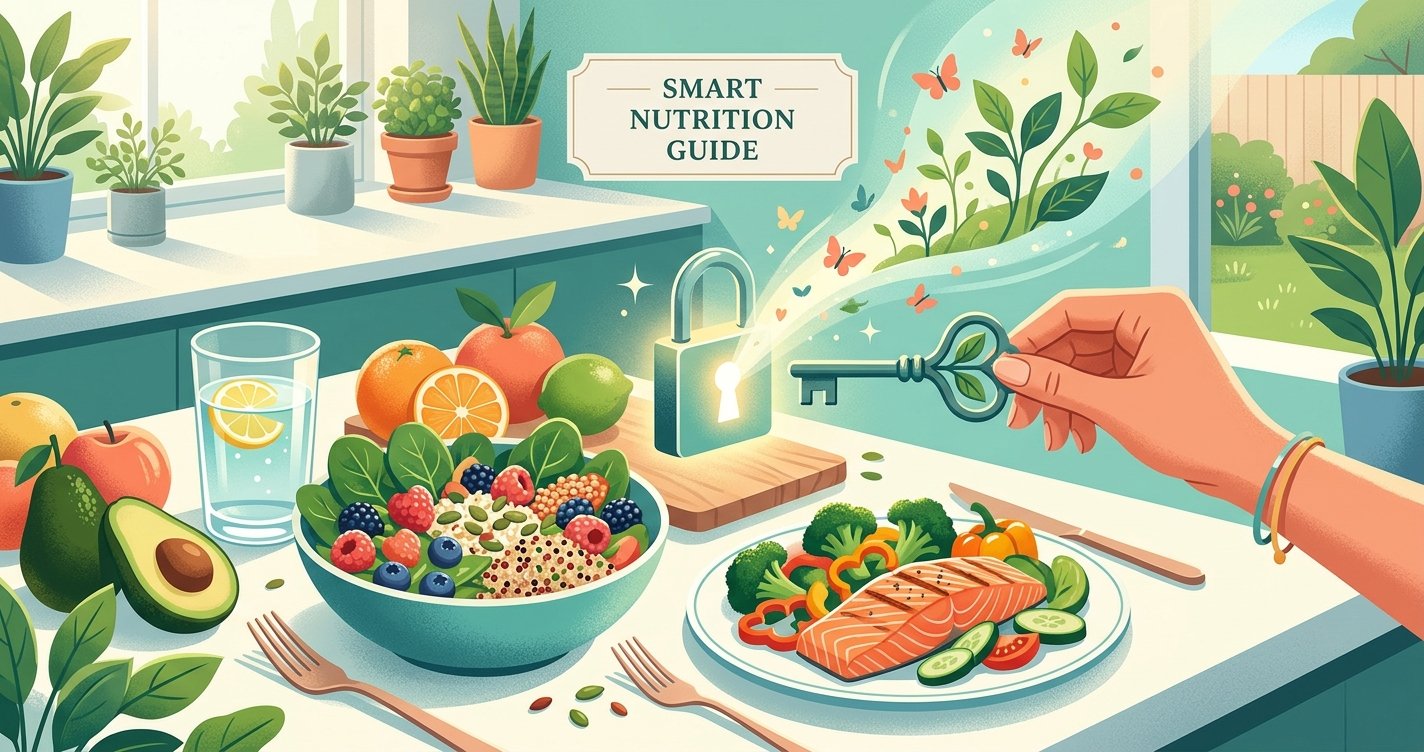
Unlock Sustainable Fat Loss: Your Guide to Smart Nutrition, Not Crash Diets
Are you tired of the yo-yo diet cycle? The endless promises of quick fixes, only to find yourself back where you started, or even further behind? You’re not alone. Many people embark on fat loss journeys with enthusiasm, only to be derailed by overly restrictive diets that are impossible to maintain long-term. The good news? Sustainable fat loss isn't about deprivation; it's about smart, evidence-based nutrition that nourishes your body and helps you achieve your goals without sacrificing your sanity.
Forget the fads and the extreme measures. This guide will walk you through the fundamental principles of smart nutrition for lasting fat loss. We’ll explore how to fuel your body effectively, understand the true drivers of weight management, and build habits that support your health and well-being for years to come. Let's ditch the diet mentality and embrace a smarter, kinder approach to your body. this excellent wellness product
The Foundation: Understanding Your Energy Balance for Fat Loss
At its core, fat loss boils down to a simple principle: consuming fewer calories than your body expends. This is known as creating a calorie deficit. While the concept is simple, the execution can be nuanced. It's not just about eating less; it's about eating smarter to create that deficit in a way that feels sustainable and keeps your body functioning optimally.
Why a Calorie Deficit Matters
- Energy Storage: Your body stores excess energy (calories) as fat. To burn stored fat, you need to signal to your body that it needs to tap into those reserves.
- Metabolic Rate: While some foods can slightly increase your metabolic rate, the primary driver of fat loss remains the overall energy balance over time.
- Sustainability: A moderate deficit (typically 300-500 calories below your maintenance needs) is generally recommended for sustainable fat loss, allowing for steady progress without drastic hunger or energy crashes.
Instead of obsessing over every single calorie, focus on making informed food choices that naturally help you achieve this deficit. This means prioritizing nutrient-dense foods that offer great satiety for fewer calories.
Protein: Your MVP for Muscle, Metabolism, and Satiety
If there's one macronutrient that deserves superstar status in your fat loss journey, it's protein. Far from just being for bodybuilders, adequate protein intake is crucial for everyone aiming to lose fat and maintain a healthy body composition.
How Protein Boosts Fat Loss:
- Increased Satiety: Protein is incredibly filling. Studies consistently show that higher protein diets lead to greater feelings of fullness, reducing overall calorie intake naturally. You'll feel satisfied for longer, making it easier to stick to your calorie goals.
- Muscle Preservation: When you're in a calorie deficit, your body can sometimes break down muscle tissue for energy, not just fat. Sufficient protein intake helps protect your lean muscle mass, which is vital because muscle burns more calories at rest than fat does.
- Higher Thermic Effect of Food (TEF): Your body expends energy to digest, absorb, and metabolize food. Protein has the highest TEF of all macronutrients, meaning you burn more calories simply by eating and processing protein compared to fats or carbohydrates.
Practical Protein Sources: Lean meats (chicken, turkey, lean beef), fish, eggs, dairy (Greek yogurt, cottage cheese), legumes (lentils, beans), tofu, and protein powder supplements can all be excellent sources. Aim for a good source of protein at every meal.
The Power of Fiber: Fullness, Gut Health, and Steady Energy
Often overlooked, dietary fiber is another powerful ally in your fat loss quest. Found primarily in plant-based foods, fiber plays multiple roles in promoting satiety and overall health.
Fiber's Fantastic Benefits:
- Enhanced Satiety: Like protein, fiber adds bulk to your meals without adding significant calories. Soluble fiber, in particular, forms a gel-like substance in your digestive tract, slowing down digestion and keeping you feeling fuller for longer.
- Blood Sugar Regulation: Fiber helps to stabilize blood sugar levels, preventing sharp spikes and crashes that can lead to cravings and overeating. This steady energy flow is key for avoiding energy dips throughout the day.
- Gut Health: A healthy gut microbiome is increasingly linked to overall health and even weight management. Fiber acts as a prebiotic, feeding the beneficial bacteria in your gut.
Fiber-Rich Foods: Load up on fruits (berries, apples), vegetables (broccoli, spinach, sweet potatoes), whole grains (oats, quinoa, whole-wheat bread), and legumes. These foods are also packed with essential vitamins and minerals, offering a double win for your health.
Smart Fats: Fueling Your Body and Boosting Satisfaction
For decades, fat was unfairly demonized. However, we now know that healthy fats are essential for numerous bodily functions and can even aid in fat loss when consumed in moderation. The key is distinguishing between healthy and unhealthy fats, and understanding portion sizes.
Why Healthy Fats Matter:
- Satiety and Flavor: Fats add flavor and richness to meals, enhancing satisfaction and helping you feel full. They also slow down digestion.
- Hormone Production: Healthy fats are crucial for hormone production, including those involved in metabolism and appetite regulation.
- Nutrient Absorption: Many vitamins (A, D, E, K) are fat-soluble, meaning your body needs fat to absorb them properly.
Focus on Unsaturated Fats: Include sources like avocados, nuts (almonds, walnuts), seeds (chia, flax, pumpkin), olive oil, and fatty fish (salmon, mackerel). Limit saturated fats found in processed foods and excessive amounts of red meat, and avoid trans fats entirely. Remember, fats are calorie-dense, so even healthy fats should be consumed in controlled portions.
Beyond Macros: Hydration, Mindful Eating, and Nutrient Density
While protein, fiber, and healthy fats form the bedrock of smart nutrition for fat loss, other elements are equally vital for your success and overall well-being.
The Crucial Role of Hydration:
Water is often an unsung hero. Staying well-hydrated supports metabolism, helps transport nutrients, and can even help manage hunger cues. Sometimes, what feels like hunger is actually thirst. Aim to drink plenty of water throughout the day, especially before meals.
Embrace Mindful Eating:
Slow down. Pay attention to your food – its taste, texture, and smell. Listen to your body's hunger and fullness cues. Mindful eating helps you enjoy your food more, recognize when you're truly satisfied, and prevent overeating. It's about developing a healthier relationship with food, rather than seeing it as the enemy.
Prioritize Nutrient Density:
Focus on foods that offer the most nutritional bang for your caloric buck. Think colorful fruits and vegetables, lean proteins, and whole grains. These foods provide essential vitamins, minerals, and antioxidants that support overall health and energy levels, making your fat loss journey feel less like a struggle and more like nourishing your body.
Building Your Sustainable Plate: Practical Tips for Everyday Success
Putting these principles into practice doesn't have to be complicated. Here are some actionable tips to integrate smart nutrition into your daily life:
- Start with Protein: Make protein the cornerstone of every meal. This ensures satiety and helps meet your daily needs.
- Fill Half Your Plate with Veggies: Non-starchy vegetables are low in calories, high in fiber, and packed with nutrients.
- Choose Whole Grains Over Refined: Opt for brown rice, quinoa, oats, and whole-wheat products instead of white bread and pasta.
- Snack Smart: If you need snacks, choose options like Greek yogurt with berries, a handful of nuts, or vegetable sticks with hummus.
- Plan Ahead: Meal prepping or simply planning your meals in advance can prevent impulsive, unhealthy food choices.
- Track Progress, Not Just Weight: Monitor how your clothes fit, your energy levels, and your strength. The scale is just one metric.
- Be Patient and Consistent: Sustainable fat loss is a marathon, not a sprint. Consistency over time yields the best results.
The Bigger Picture: Lifestyle Habits Supporting Your Journey
While nutrition is paramount, remember that it's part of a larger lifestyle puzzle. Adequate sleep, stress management, and regular physical activity (including strength training to build and maintain muscle) all play crucial roles in supporting your fat loss efforts and overall well-being. Think of your journey as a holistic approach to a healthier, happier you.
Your Journey to Lasting Change Starts Now
You have the power to transform your relationship with food and achieve sustainable fat loss. By focusing on smart nutrition – prioritizing protein, fiber, and healthy fats, staying hydrated, and eating mindfully – you're not just losing weight; you're building a foundation for lifelong health. Ditch the quick fixes and embrace the journey of nourishing your body from the inside out. You deserve a path to fat loss that is empowering, effective, and truly sustainable.