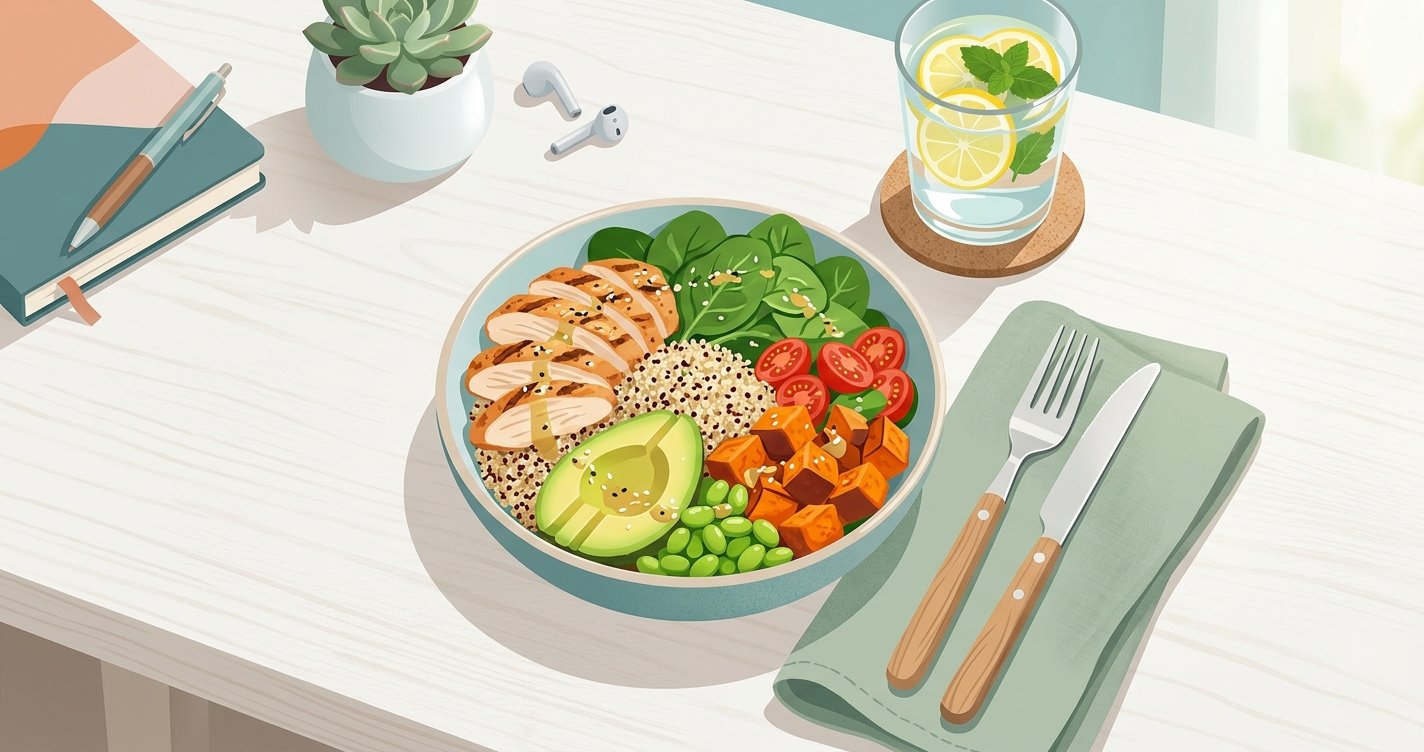
Are you tired of the endless cycle of crash diets, quick fixes, and the dreaded 'yo-yo effect'? You're not alone. Many people embark on a fat loss journey with enthusiasm, only to find themselves burnt out, deprived, and back to square one. The good news? Sustainable fat loss isn't about extreme restriction or punishing workouts; it's about building smart, evidence-based nutrition habits that you can maintain for life. This guide will walk you through the principles of sustainable nutrition, helping you achieve lasting results and a healthier, happier relationship with food.
Why "Dieting" Often Fails: Understanding the Sustainability Gap
The problem with most traditional diets is their inherent unsustainability. They often involve drastic calorie cuts, elimination of entire food groups, or rigid meal plans that are difficult to stick to in the long run. While these methods might lead to rapid initial weight loss, they rarely teach you how to maintain it. Here's why they often fall short: this excellent wellness product
- Metabolic Adaptation: Your body is smart. When you severely restrict calories, your metabolism can slow down to conserve energy, making further fat loss harder.
- Psychological Toll: Constant deprivation can lead to cravings, binge eating, and a negative relationship with food. It's mentally exhausting!
- Lack of Education: Crash diets don't teach you sustainable eating patterns or how to make informed food choices in real-world situations.
- Muscle Loss: Rapid weight loss often includes losing precious muscle mass, which is metabolically active and important for long-term health.
Our focus, instead, will be on nourishing your body, optimizing satiety, and making incremental changes that become second nature.
The Power Trio: Protein, Fiber, and Healthy Fats for Satiety
When it comes to sustainable fat loss, these three macronutrients are your best friends. They work synergistically to keep you feeling full, satisfied, and energized, making it easier to manage your calorie intake without feeling deprived.
Protein: Your Muscle-Preserving, Hunger-Busting Ally
Protein is the cornerstone of any effective fat loss strategy. It's not just for bodybuilders! Adequate protein intake helps you in several key ways:
- Increased Satiety: Protein is the most satiating macronutrient, meaning it keeps you feeling fuller for longer compared to carbs or fats. This reduces overall calorie intake naturally.
- Thermic Effect of Food (TEF): Your body expends more energy digesting protein than it does fats or carbohydrates. This means you burn more calories just by eating protein-rich foods.
- Muscle Preservation: During a calorie deficit, consuming enough protein helps preserve lean muscle mass. This is crucial because muscle burns more calories at rest than fat, contributing to a higher resting metabolism.
Smart Choices: Aim for a lean protein source at every meal. Think chicken breast, turkey, fish, eggs, Greek yogurt, cottage cheese, lean beef, lentils, beans, tofu, and tempeh.
Fiber: The Gut-Friendly Key to Feeling Full Longer
Often overlooked, dietary fiber plays a vital role in sustainable fat loss and overall health. Fiber-rich foods tend to be lower in calories and higher in nutrients, offering a double win.
- Enhanced Satiety: Soluble fiber forms a gel in your digestive tract, slowing down digestion and nutrient absorption, which contributes to prolonged feelings of fullness.
- Improved Digestion & Gut Health: Fiber promotes regular bowel movements and feeds beneficial gut bacteria, which is linked to better weight management and overall well-being.
- Blood Sugar Control: Fiber helps stabilize blood sugar levels, preventing sharp spikes and crashes that can lead to cravings and energy dips.
Smart Choices: Load up on fruits, vegetables (especially leafy greens and cruciferous veggies), whole grains (oats, quinoa, brown rice), legumes (beans, lentils, chickpeas), nuts, and seeds.
Healthy Fats: Essential for Hormones and Satisfaction
Despite past misconceptions, fats are not the enemy of fat loss. In fact, healthy fats are essential for hormone production, nutrient absorption, and providing a sense of satisfaction in your meals. The key is moderation and choosing the right kinds of fats.
- Satiety & Flavor: Fats add flavor and texture to your food, making meals more enjoyable and satisfying, which can help prevent overeating later.
- Hormone Production: Healthy fats are crucial for the production of hormones, including those involved in metabolism and appetite regulation.
- Nutrient Absorption: Many essential vitamins (A, D, E, K) are fat-soluble, meaning they require fat to be properly absorbed by your body.
Smart Choices: Incorporate sources like avocados, nuts (almonds, walnuts), seeds (chia, flax, hemp), olive oil, fatty fish (salmon, mackerel), and nut butters (in moderation).
Beyond the Basics: Mindful Eating and Hydration
While macronutrients are fundamental, how you eat and what you drink are equally important for long-term success.
Mindful Eating: Reconnecting with Your Body's Signals
In our fast-paced world, it's easy to eat on autopilot, often leading to overconsumption. Mindful eating is about paying attention to your food, your body's hunger and fullness cues, and the overall experience of eating.
- Slow Down: Take your time with meals. Put your fork down between bites. It takes about 20 minutes for your stomach to signal to your brain that it's full.
- Tune In: Pay attention to the flavors, textures, and aromas of your food. How does it make you feel? Are you truly hungry, or is it boredom, stress, or habit?
- Listen to Your Body: Eat when you're hungry, and stop when you're comfortably full, not stuffed.
Practicing mindful eating can significantly reduce overeating and foster a healthier, more intuitive relationship with food, moving away from restrictive diet mentalities.
Hydration: The Often-Overlooked Fat Loss Booster
Water is essential for virtually every bodily function, and it plays a surprisingly significant role in fat loss.
- Satiety: Drinking a glass of water before meals can help you feel fuller, potentially leading to reduced calorie intake.
- Metabolism: Staying well-hydrated supports optimal metabolic function.
- Distinguishing Thirst from Hunger: Sometimes, what we perceive as hunger is actually just thirst. Drinking water can help you identify true hunger cues.
Smart Tip: Aim for at least 8 glasses of water a day, and more if you're active or in a hot climate. Keep a water bottle handy as a visual reminder.
Smart Carb Choices: Quality Over Quantity
Carbohydrates have often been demonized in the fat loss world, but they are a crucial energy source. The key is to choose complex, whole-food carbohydrates over refined, processed ones.
- Complex Carbs: Found in whole grains, fruits, and vegetables, these are rich in fiber and nutrients. They provide sustained energy, prevent blood sugar spikes, and contribute to satiety.
- Refined Carbs: Found in white bread, pastries, sugary drinks, and highly processed snacks, these are quickly digested, leading to energy crashes and increased cravings.
Smart Choices: Prioritize whole grains like oats, quinoa, brown rice, whole wheat bread, and starchy vegetables like sweet potatoes and squash. Enjoy fruits in their whole form for their fiber and antioxidant benefits.
Building Sustainable Habits: Consistency, Not Perfection
Sustainable fat loss isn't about being perfect; it's about being consistent. Life happens, and there will be days when your nutrition isn't ideal. That's okay!
- Small, Gradual Changes: Don't try to overhaul everything at once. Start with one or two changes you can realistically stick to, like adding more protein to breakfast or drinking more water.
- The 80/20 Rule: Aim for healthy eating 80% of the time, allowing for flexibility and occasional treats 20% of the time. This prevents feelings of deprivation and makes the journey more enjoyable.
- Meal Planning & Preparation: Dedicate some time each week to plan your meals and prep some ingredients. This significantly reduces decision fatigue and the likelihood of making unhealthy choices when you're hungry.
- Learn from Setbacks: If you have an off day or week, don't throw in the towel. Analyze what went wrong, learn from it, and get back on track with your next meal.
The Role of Sleep and Stress Management
While often overlooked in nutrition discussions, adequate sleep and effective stress management are critical for fat loss. Poor sleep and chronic stress can wreak havoc on your hormones, specifically increasing cortisol (the stress hormone) and ghrelin (the hunger hormone) while decreasing leptin (the satiety hormone). This imbalance can lead to increased cravings, especially for high-sugar, high-fat foods, and can promote fat storage around the midsection.
Prioritize 7-9 hours of quality sleep per night and find healthy ways to manage stress, whether it's through meditation, spending time in nature, exercise, or hobbies. These lifestyle factors support your nutritional efforts and overall well-being.
Conclusion: Your Journey to a Healthier, Happier You
Embarking on a sustainable fat loss journey is a powerful act of self-care. It's about empowering yourself with knowledge and building habits that serve your long-term health, not just a number on the scale. Remember the key takeaways:
- Prioritize whole, unprocessed foods.
- Focus on adequate protein and fiber for satiety.
- Include healthy fats in moderation.
- Practice mindful eating and stay well-hydrated.
- Make smart carbohydrate choices.
- Embrace consistency over perfection and be patient with yourself.
- Don't underestimate the power of sleep and stress management.
This isn't a race; it's a marathon. Be kind to yourself, celebrate small victories, and focus on how good you feel as you nourish your body. You have the power to create lasting change. Start today with one small, sustainable step!